
Desperately Seeking Coffee
Strong as Death, Black as Hell, Sweet as Love - the perfect coffee © A. Harrison
The When, Where – and Why
Where and when coffee drinking began remains debatable. Trading letters from the 10th century AD mention farmers cultivating native beans in the lush Ethiopian highlands, yet the legend begins earlier. In the 9th century, a goat herder, Kaldi, followed the example of his skittish goats and nibbled on a plant’s red berries. When he brought some berries to a local monastery, (the font of all knowledge), a disapproving monk threw the branches into a fire. As the smell of roasting coffee wafted through the monastery, other monks raked the beans from the embers, ground them up and dissolved them in hot water, thus yielding the world's first cup of coffee.
I cannot help but wonder how that first coffee tasted compared to our modern brew. Drinking coffee has permeated to the most unusual places. Even in my weekend retreat, set amongst acres of Australian bush and free of telephone and television (and the dubious power connections often taken out by a passing kangaroo), I have an espresso machine. Flavoured by the mineral-laden bore water, the taste is quite unique.
By contrast, the waters of Halong Bay are famous for the thousands of limestone peaks rising from her turquoise waters. Turning my back to the bay and the chaos of tourist and tourist-touts, I ventured uphill into that part of town somehow forgotten by UNESCO's World Heritage Listing. After some twenty minutes of walking, I discovered the local markets, a huge collection of stalls where anything and everything was for sale.
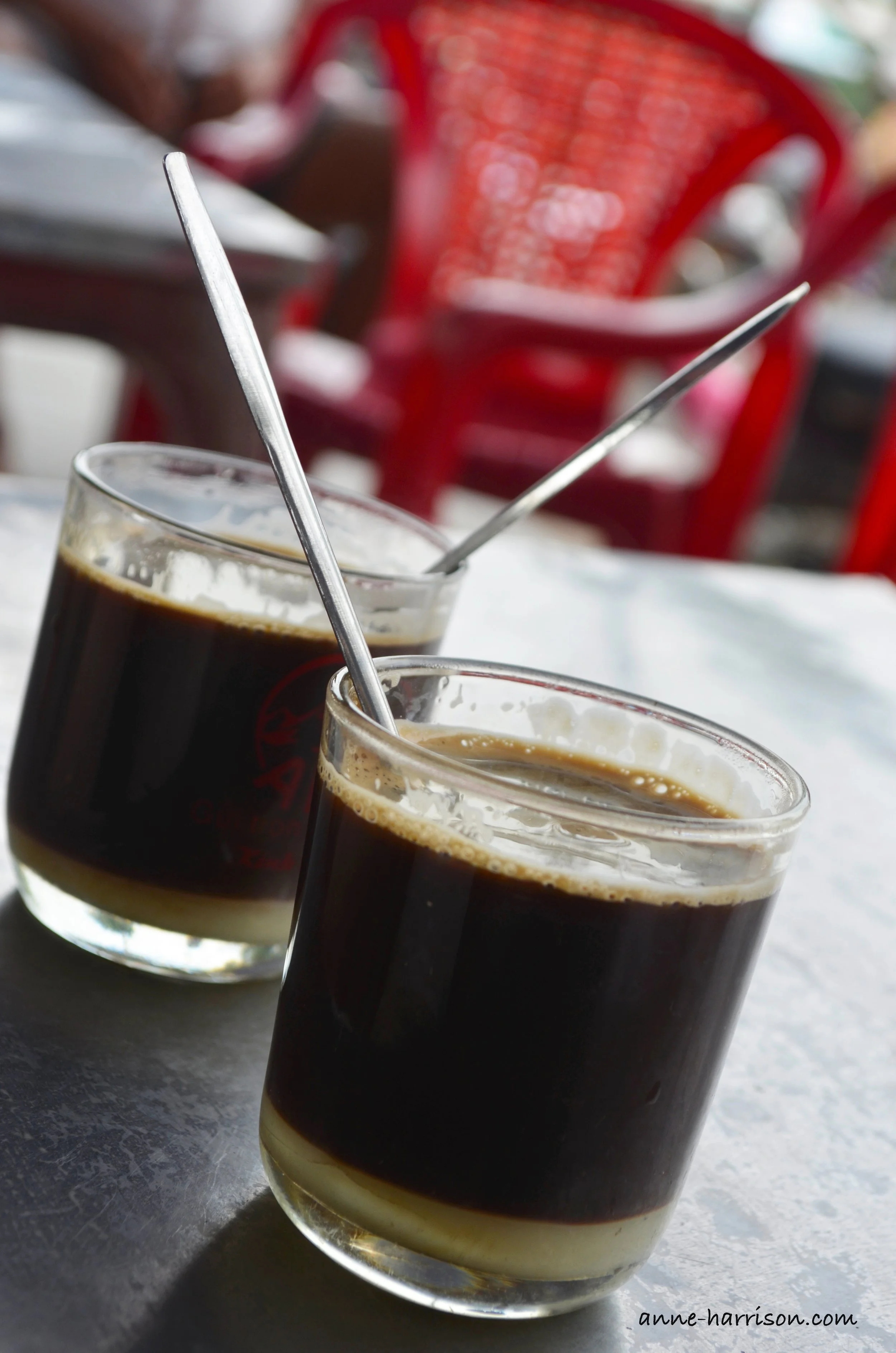
A large covered area served as a food hall – large enough, it seemed, to feed the whole town. With nothing more than a simple cooker over a small gas burner, and with her hair in curlers, a lady deftly prepared me some pho (complete with the tiniest, juiciest limes I have ever tasted). As I nursed her baby my coffee was prepared: a small percolator set directly over the cup, the brew sweetened with a dollop of condensed milk. Perhaps it was the setting, perhaps because I had not found a decent coffee since leaving Saigon, but this java proved one of the best I have drunk outside of Italy (or Melbourne). The meal and coffee (for two) cost less than five Aussie dollars.

Traders brought the coffee bean from Ethiopia to Yemen, where Sufti monks used it to help them stay awake during night-time devotions. Taste for the beverage spread northwards, via Mecca, through larger cities such as Cairo and Damascus, until finally reaching Constantinople. In 1587, an Arabic writer noted how drinking the brew drove away lethargy and gave the body 'a certain sprightliness and vigour.'
In 1511 in Mecca, a theological court banned the drinking of coffee, concerned about its 'stimulating effect'. Similar bans came into effect in Cairo in 1532, and in Ethiopia; it was not until 1554 that the first coffeehouse opened in Constantinople.
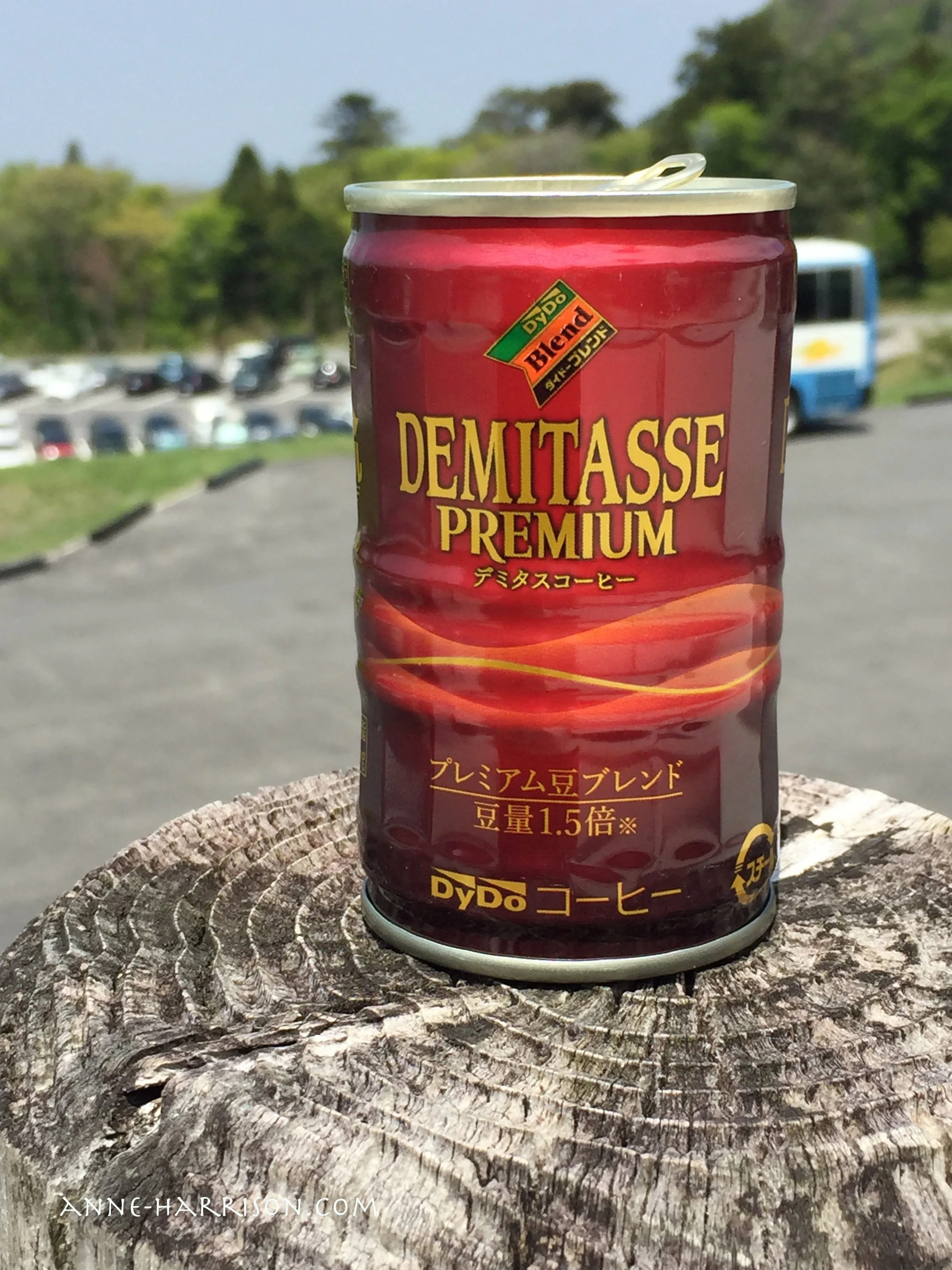
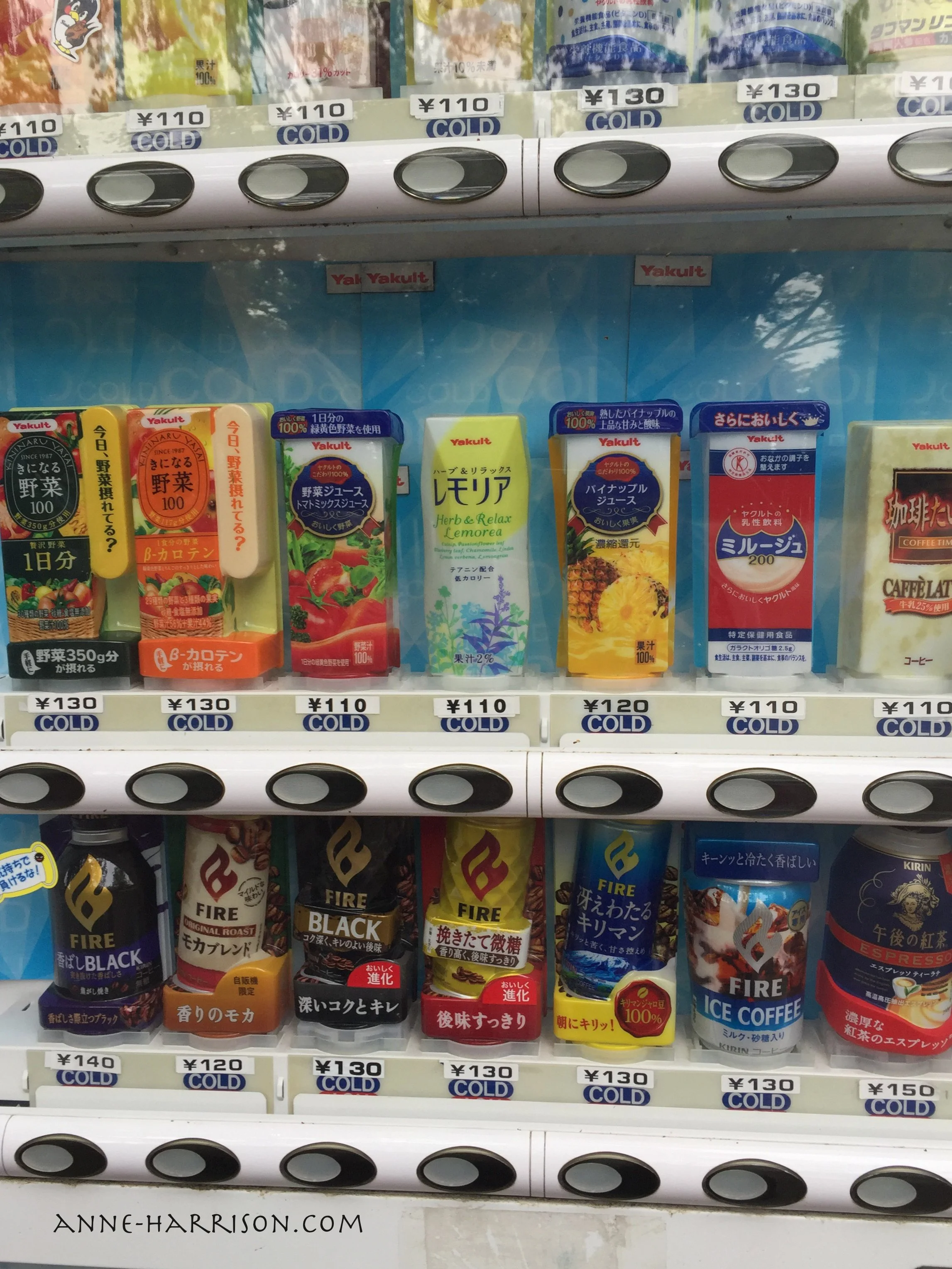
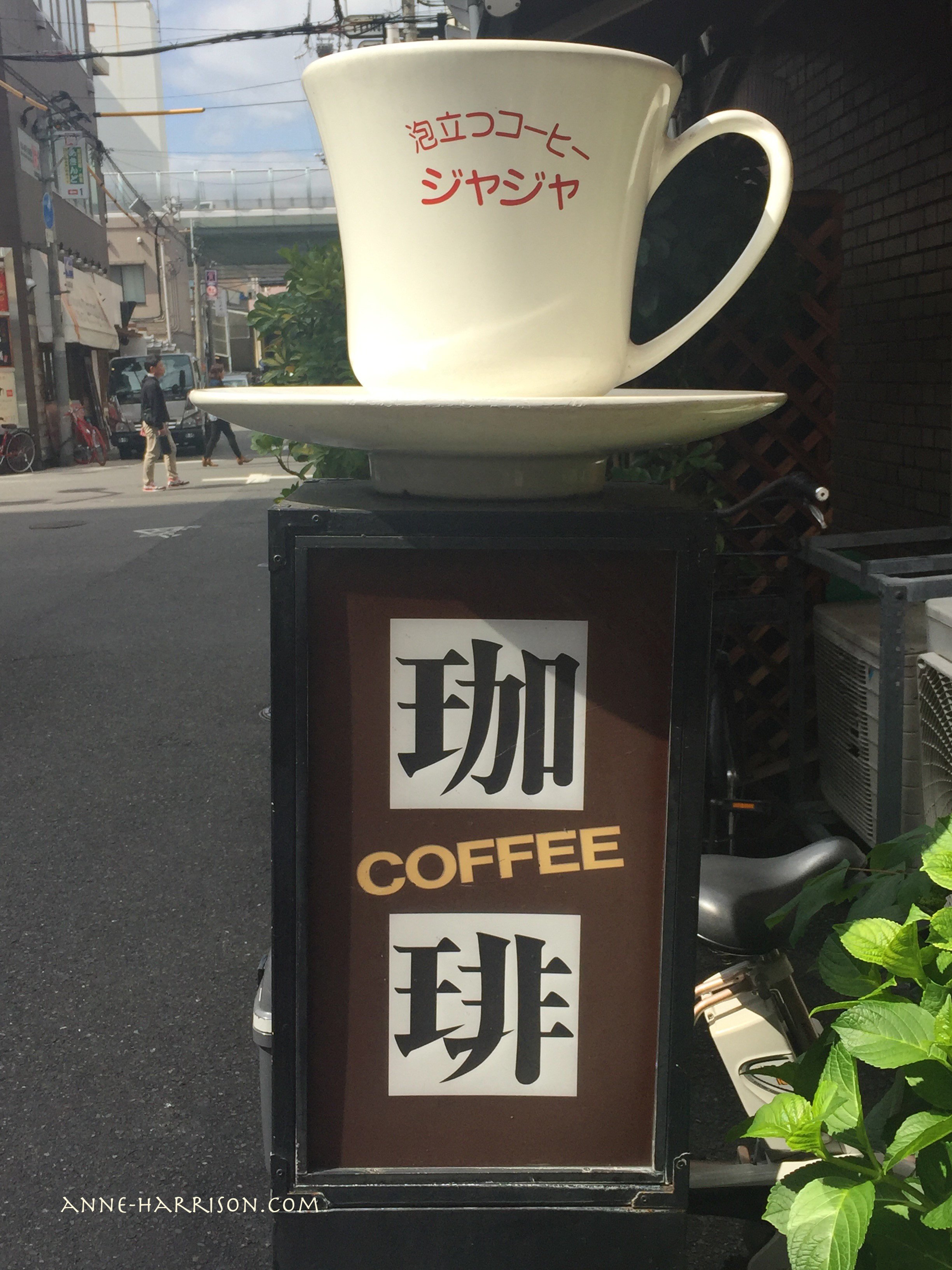
One of my strangest servings of coffee came in Japan, where just about anything can be bought from a vending machine (although I’m still searching for those fabled machines selling underwear.) The youth hostel in Nara had a machine offering a dozen different types of coffee – all labelled in Japanese. Only the colour of the button gave a clue: blue for ice coffee, red for hot. I dropped some coins in a slot, then came a whirl and a thud, after which a small door slid open and out came a can. A very hot can. Not the best coffee I’ve ever tasted (with the flavour further tainted by the hot metal) yet still it was caffeine. Of a type. And it did give my body sprightliness and vigour.
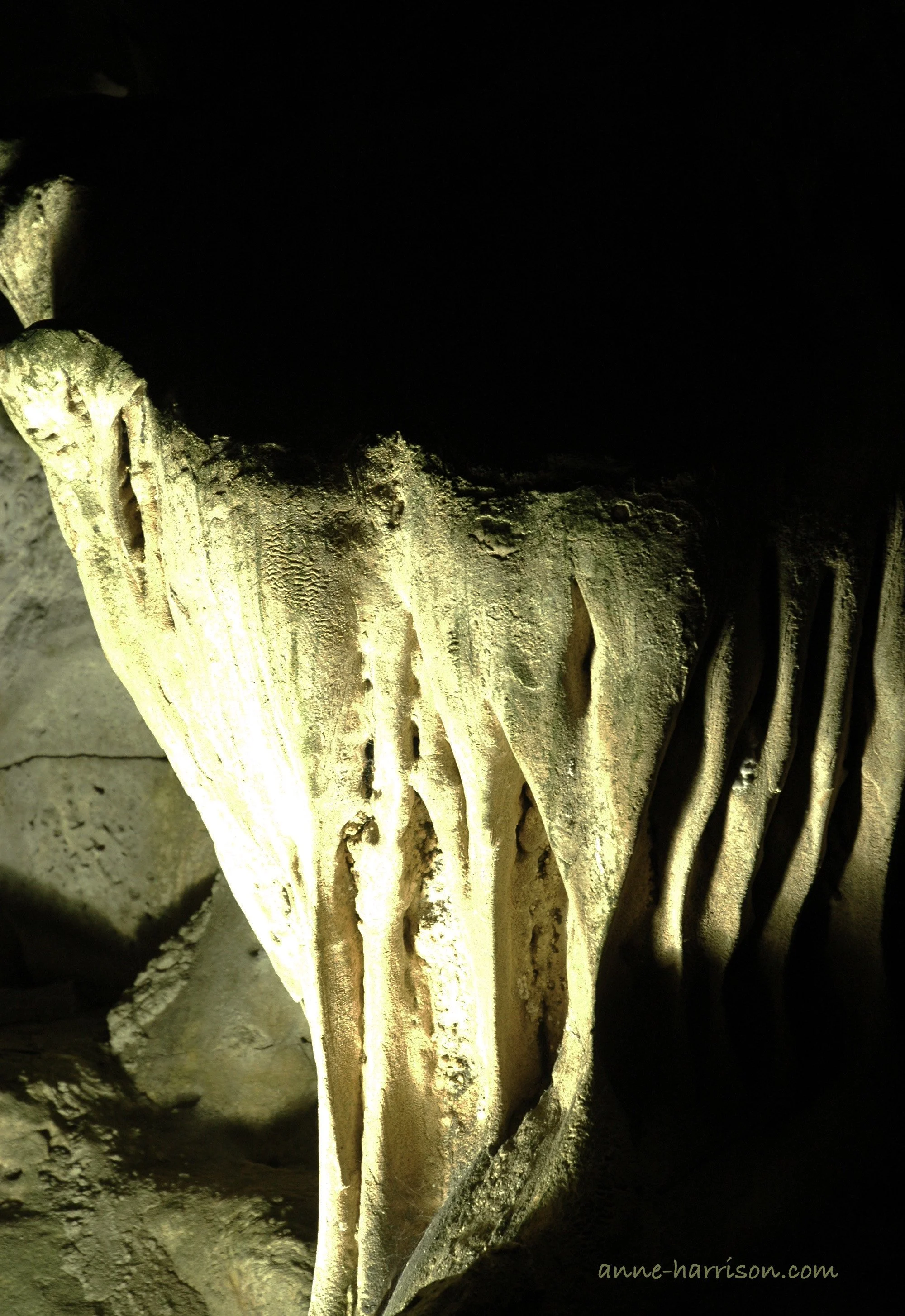
French coffee differs in style to her Italian neighbour. For breakfast there is nothing more delightful than a café crème complete with un pain au chocolate, whether it be watching the world go by on the streets of Paris, or the tidal surges of Mont St Michel. The waters around this island monastery really do move, as Victor Hugo wrote, vitesse d’un cheval au galop (as swiftly as a galloping horse). I looked away to sip my coffee, and when I glanced back a whole swath of sand had disappeared. I bought a small cup from a shop along the ramparts. It is an art deco swirl of golds and browns and blacks, born of the tidal surges around the island.
By 1582 the word 'coffee' had entered the English language, via the Dutch koffie. This comes from the Turkish kahve, from the Arabic qahwa, an abbreviation of qahhway al-bun, or wine of the bean. Venice’s robust trade routes meant that by the 16th century the brew had found its way across the Mediterranean, where merchants charged the wealthy Venetians a hefty price for drinking the brew.
Although Venetian traders labeled the brew ‘medicinal’ and claimed many benefits from drinking it, coffee’s association with both the East and Arabian traders meant that from the start drinking it was clothed in controversy. Many viewed coffee as an Islamic threat to Christianity. At first, coffee was available only at clandestine meetings – hence the high price – and fear of what insurgencies were being discussed at these gatherings led Venetian authorities to quickly deem the drink sinful. Consequentially, this ‘wine of Arabia’ only grew more popular and more expensive.
Concerned about the clandestine way the wealthy met to drink this ‘heathen’ brew, in 1600 the Doge of Venice appealed to the Pope; it took one cup for Pope Clement VII to deem coffee ‘Christian’.
Named after the brew they served, the first cafés open in Venice around 1645. They quickly became popular, and, now touched with an air of wealth and sophistication, the taste for this new drink rapidly spread. The famous Café Florian in the Piazza San Marco opened in 1720 and remains open today.
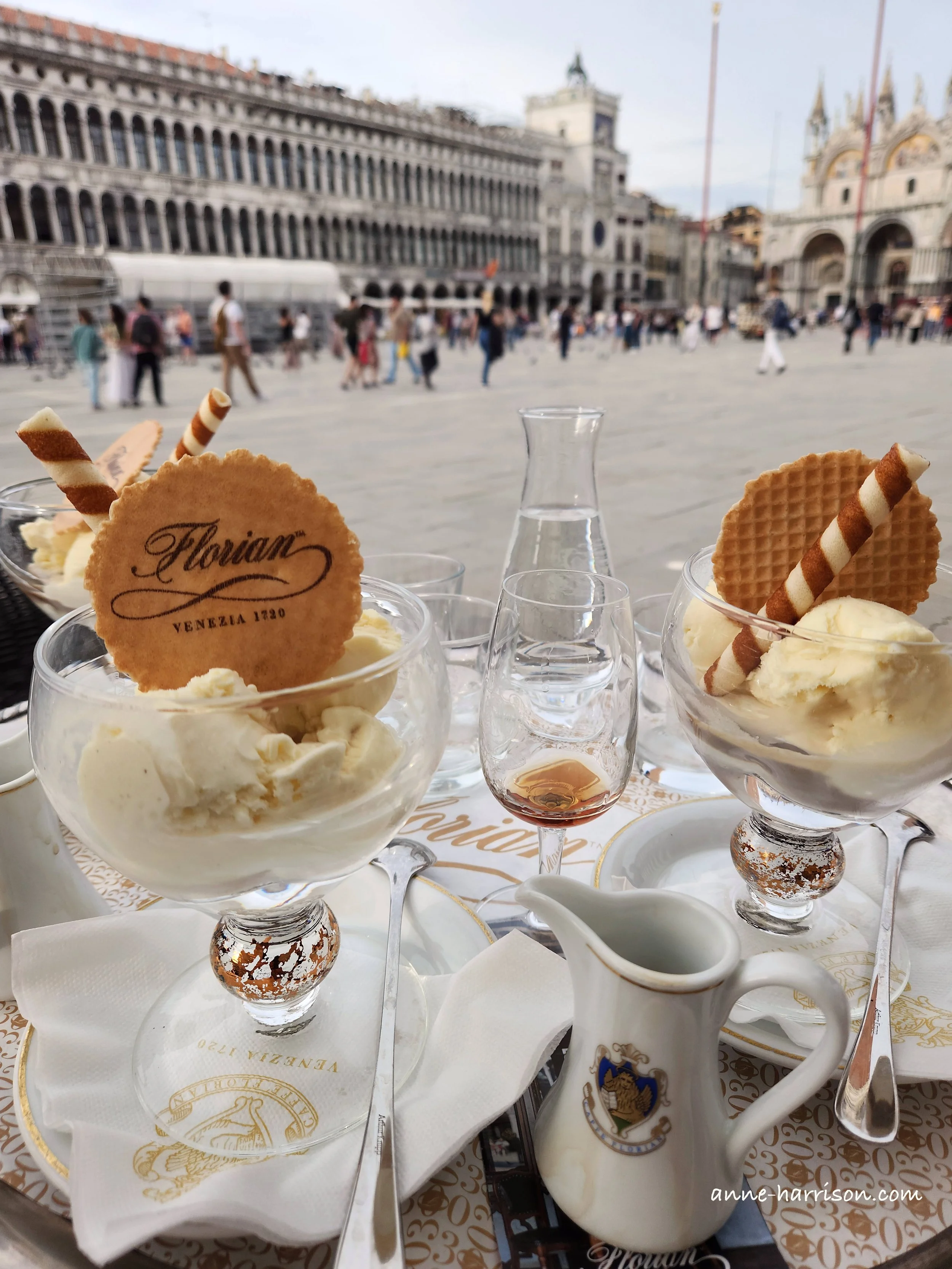
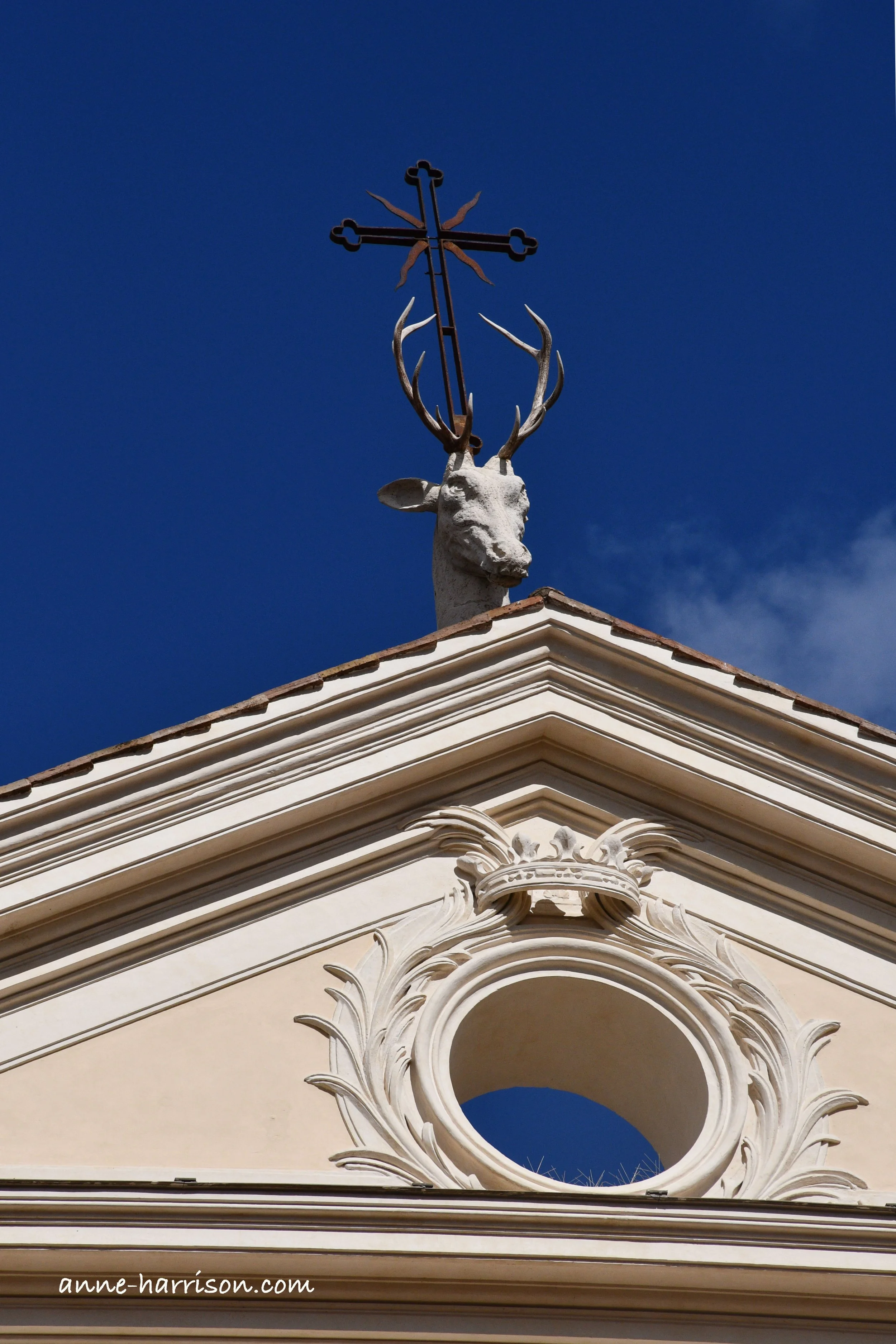
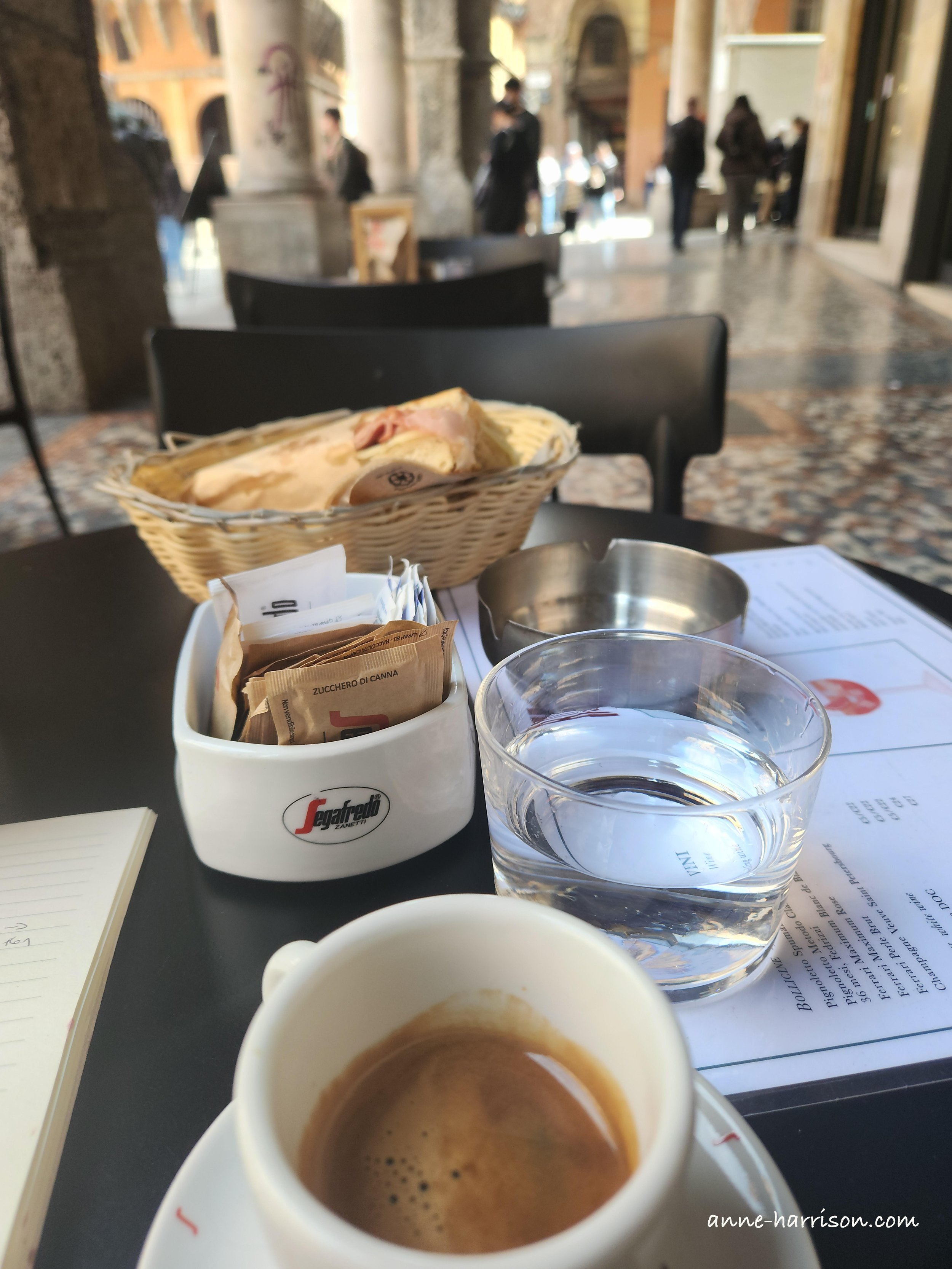
Opposite the 1000-year-old Bascilica Sant'Eustachio in Rome is the Sant'Eustachio Il Caffe, renown for its coffee. As the church bells toll midnight across in Rome (never quite in unison, for each church in The Eternal City runs to its own time) the queues outside this cafe fill the piazza. Being Italy, there is no actual queue, but rather a riotous jumble of people trying to elbow their way in, with just as many trying to leave. Laced with aniseed, the recipe remains a well-guarded secret, and worth travelling halfway around the globe to try.
Italy is synonymous with coffee, and the brew is strong, a result of hot water forced through finely-ground coffee which is tightly packed (or tamped). Turkish coffee, in contrast, is not so finely ground; the strength comes from the style of brewing – and the freshness of the grind. In the famous bazaar of Istanbul, coffee vendors are easily picked by the long lines forming outside them of a morning, for locals buy just enough ground coffee to last the day.
From Italy coffee spread to Europe and even to the tea-drinking nation of England. Indeed, Oxford’s Queen Lane Coffee House, opened in 1654, is still open for business. Lloyd’s of London began life as a coffee house. The Dutch took coffee to Java and other colonies, as did the Spanish, paving the way for Brazil to become dominant in the world cultivation of the bean.
And so to Australia. I've yet to find a bad coffee in Melbourne. The maze of inner-city laneways has a colourful history and was once not a safe place for an innocent wander. With each café priding itself on its unique brew, I often make a random choice from the warren of cafés. Those laneways not filled with shops or restaurants are covered with street art, including works by the likes of Banksy.
So a bean discovered by an Ethiopian goat-herder has spread to dominate the world, with each place it touches bringing its own distinct style. For me? Coffee should be as strong as death, as black as hell, and as sweet as love
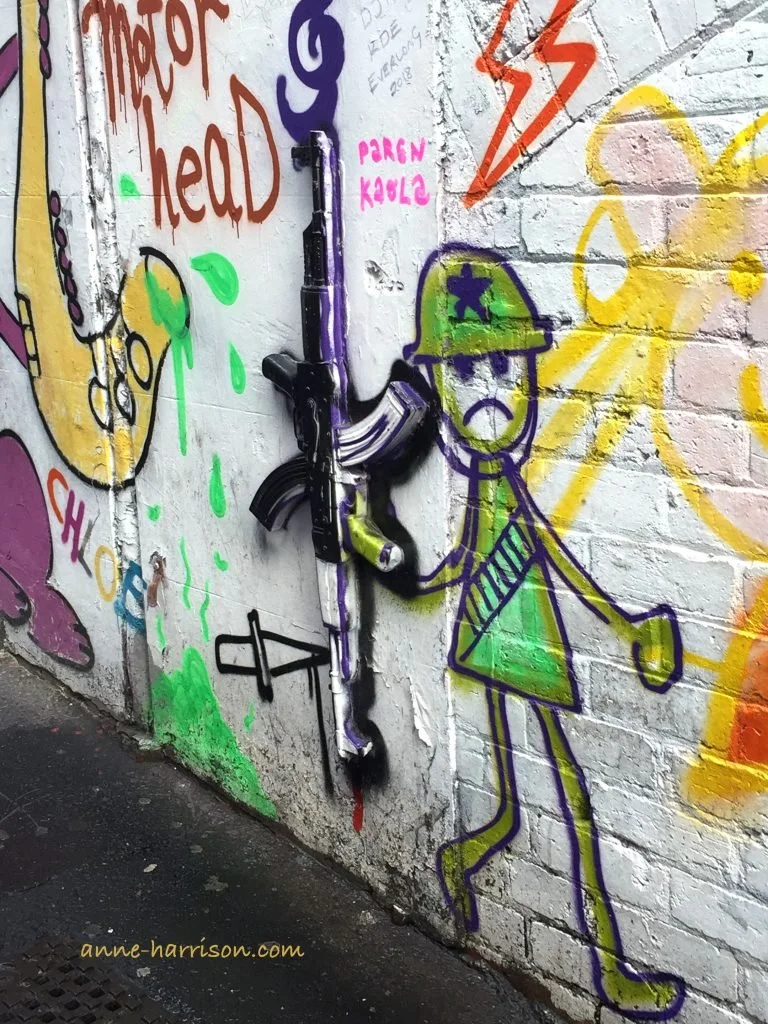
Street art in the laneways of Melbourne © A. Harrison
Some of my other post you might enjoy - coffee seems to be theme …
Enjoy my writing? Please subscribe here to follow my blog. Or perhaps you’d like to buy me a coffee? (Or a pony?)
If you like my photos please click either here or on the link in my header to buy (or simply browse) my photos. Or else, please click here to buy either my poetry or novel ebooks. I even have a YouTube channel. Thank you!

Exploring the history of coffee - while trying different brews around the world