
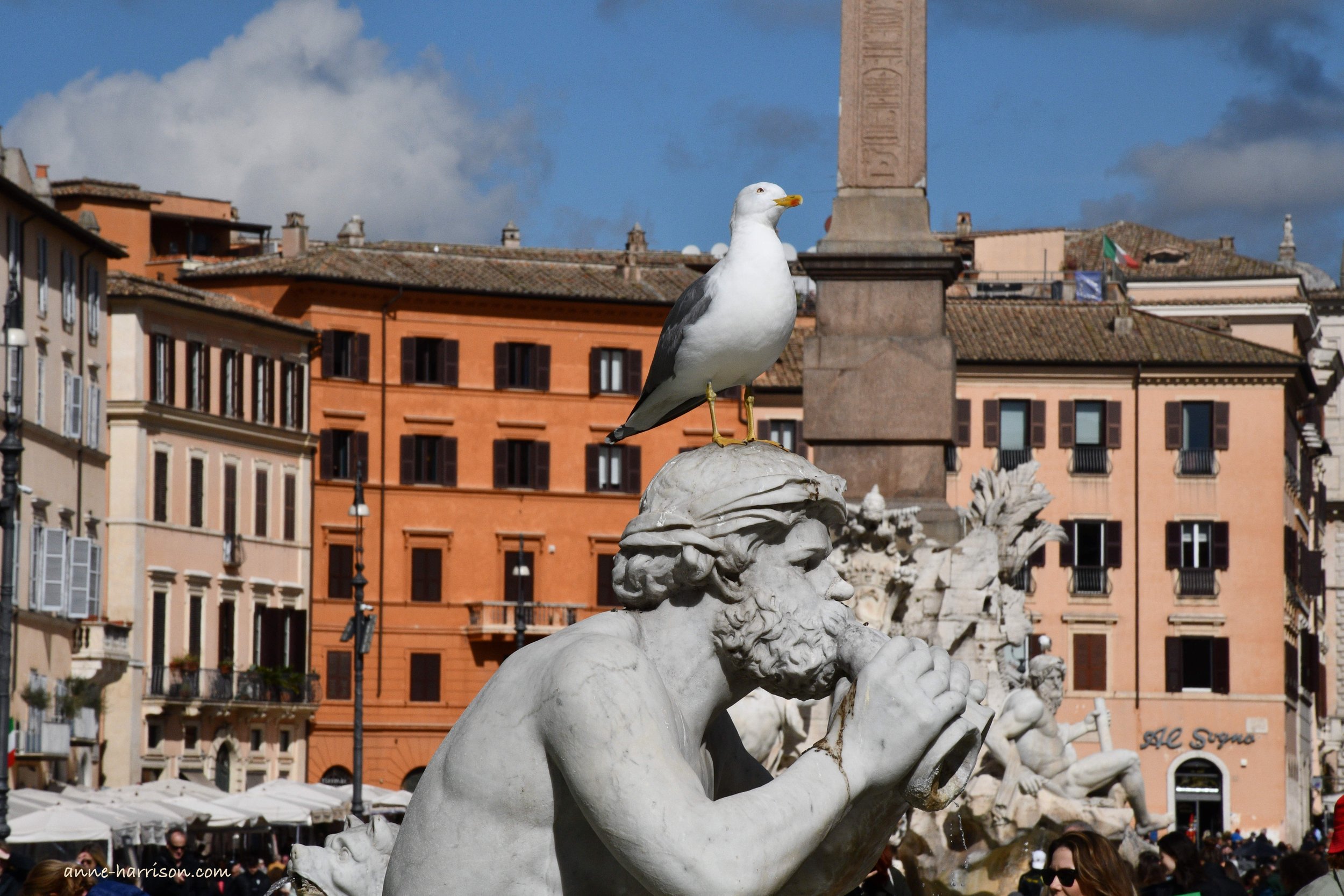
Literally a bird’s eye view © A. Harrison
Like any large city, Rome can prove overwhelming. It can be daunting, chaotic, and exhausting, especially when mingled with jet-lag. Yet Rome is also amazing, with plenty of spots for escaping the tourist crowds.
Such as staying in a convent. Flying anywhere from Australia takes a long time, and after a night and a day and a night I was exhausted. Eventually, I emerged from that metal cocoon into the chaos of Rome. Tired and befuddled, I was soon in a taxi, with the driver careening down tiny streets where footpaths were more a suggestion than reality.
Double-parking on the wrong side of the road, the taxi dropped me on the Via Sistine. The convent was just a short walk from the top of the Spanish Steps. Once the heavy wooden door closed behind me, I stood surrounded by silence, in the peace of a marble foyer.
Convents and monasteries have offered hospitality for centuries, usually with a more realistic price tag than nearby hotels. Italy especially offers a plethora of choices, and simplicity does not imply austerity. The Catholic Church has had a knack for acquiring prime real estate for centuries, and religious houses are often found in Renaissance palaces, walled towns, or hidden amongst lavender fields or surrounded by vineyards. Many hide artistic treasures; a painting by Rubens, or walls adorned by Fra Angelico. Each has its own character, such as the monastery Convento Sant’Agostino in San Gimigiano which refused entry to HRH The Prince of Wales (before he became King Charles III) because he arrived after closing time. Although probably apocryphal, the story alone makes the place worth a detour.
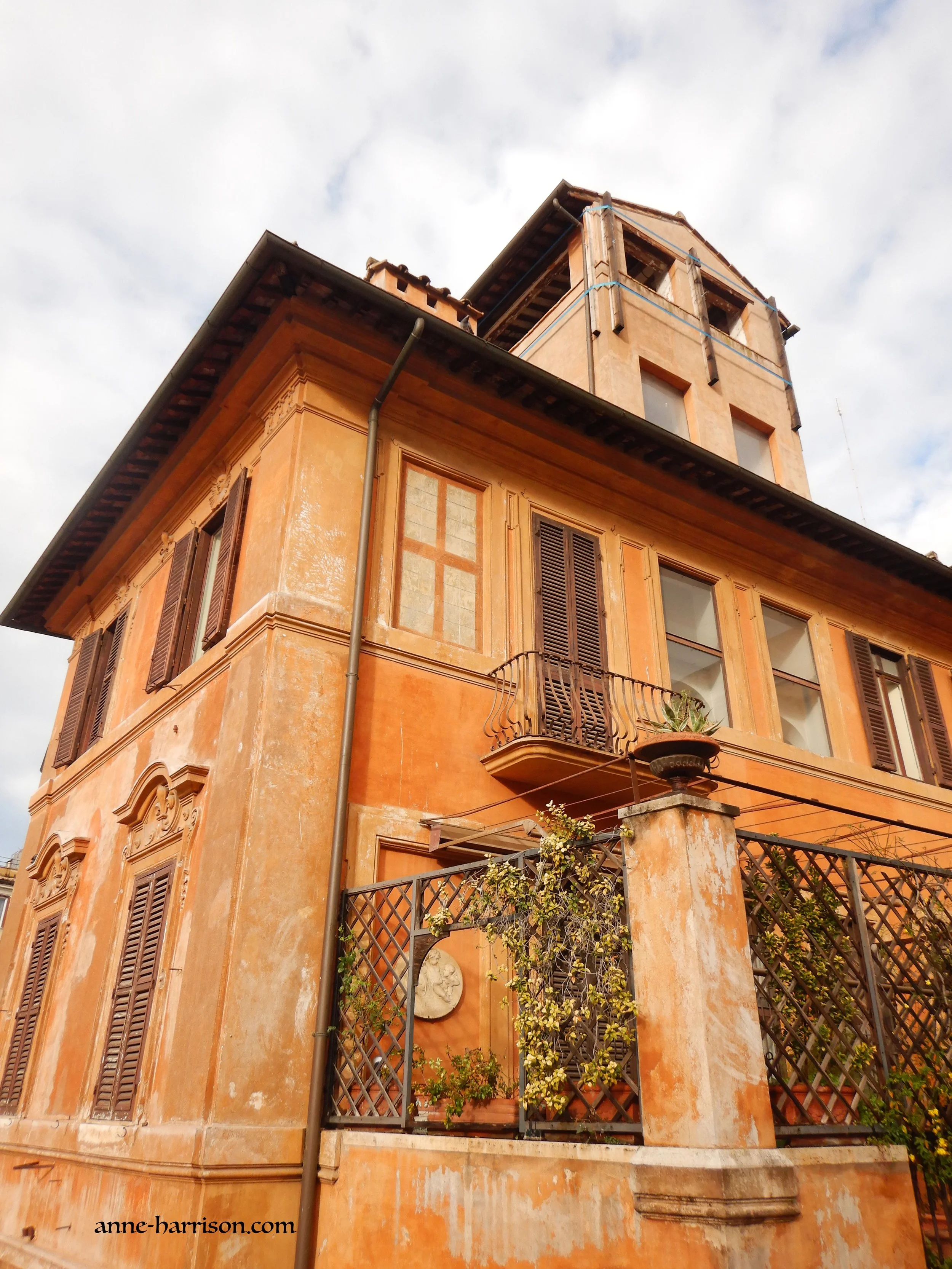
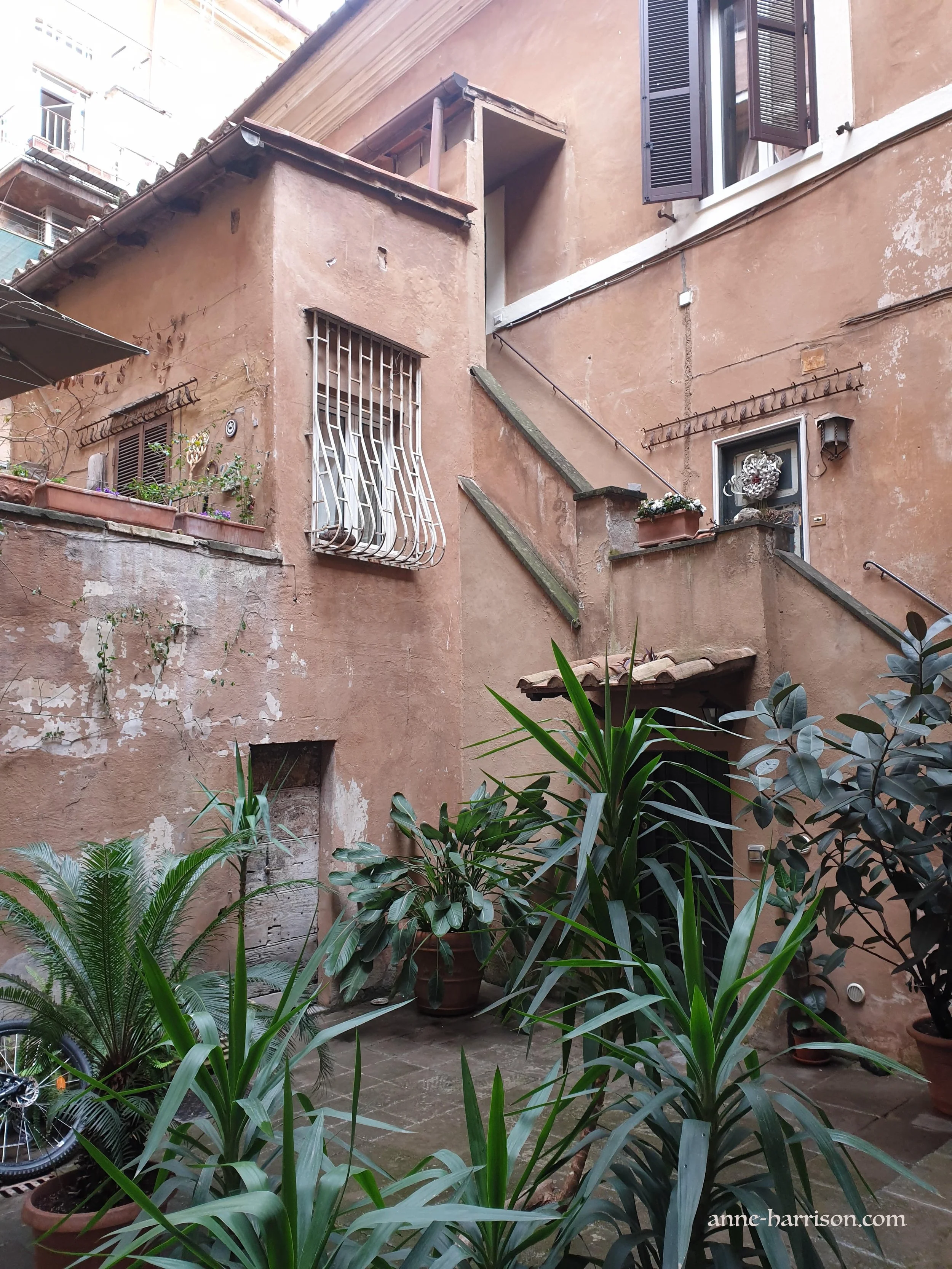
Drink like a Roman — from a Nasoni
Although taken for granted by the Ancient Romans, during Medieval and Renaissance times even wealthy Romans had limited access to fresh water. (In 98 AD the Roman Consul was named as Guardian of the city’s water supply, with aqueducts bringing some 140 million litres of water a day to the city.) After the invading barbarians cut the city’s water supply, the aqueducts were not restored for centuries.
In the 16th C beveratore were built throughout the city to supply drinking water to the populace. Water spilled from multiple nozzles (which were usually decorated with grotesque animal heads) into a basin. The basin was often a sarcophagus, bath, or even a tomb scavenged from the ancient city, for successive generations of Romans built on the ruins of those who came before. The size of the basin allowed horses to drink from them.
Modernisation coupled with the need to supply a rapidly growing population prompted a new style of water supply in the 1870s. (Even then, few houses had running water.) Water fountains were streamlined to a simple iron pipe with a single nozzle. This design gave rise to the fountains name: nasoni, or fountains of the big nose.
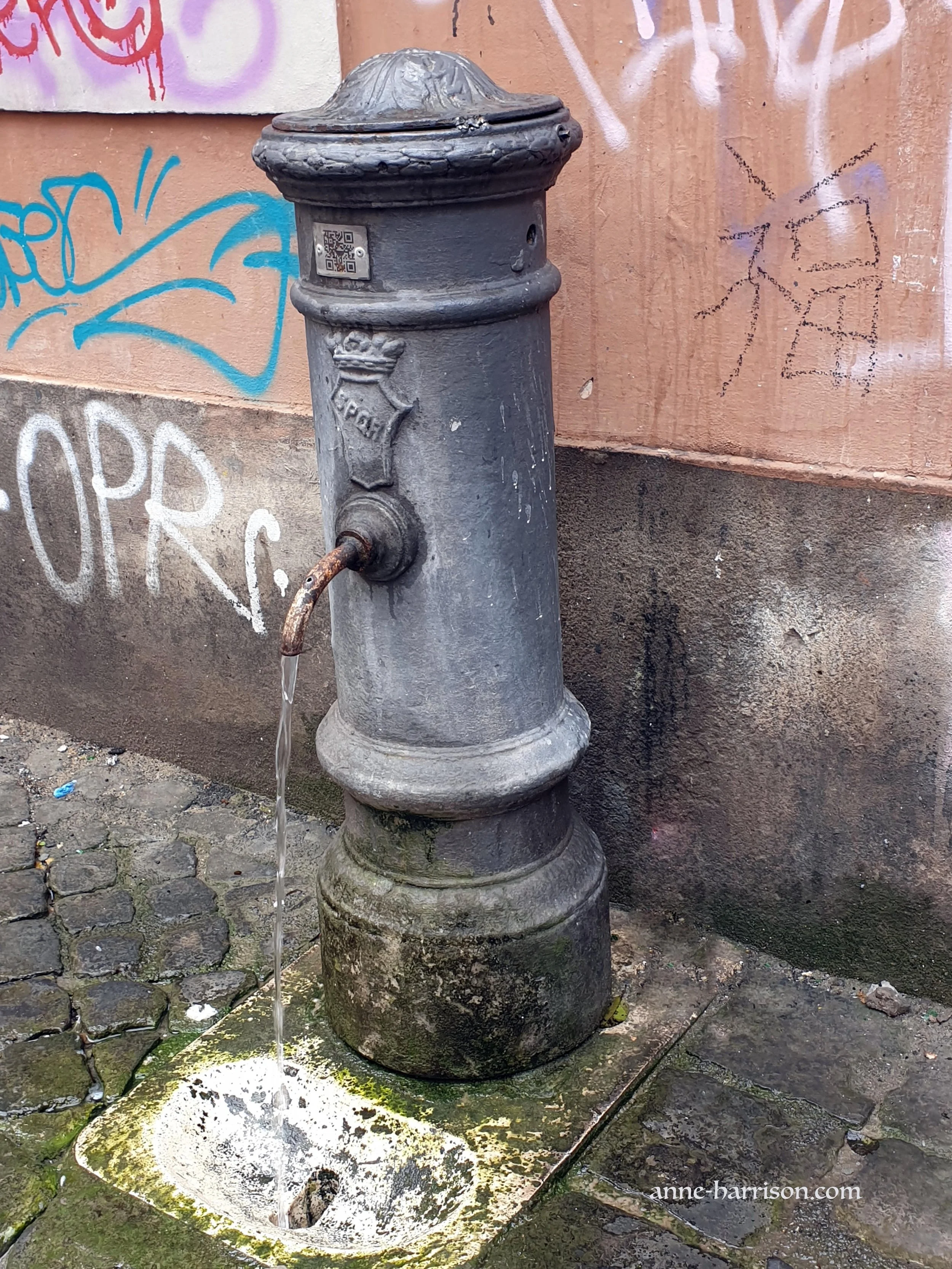
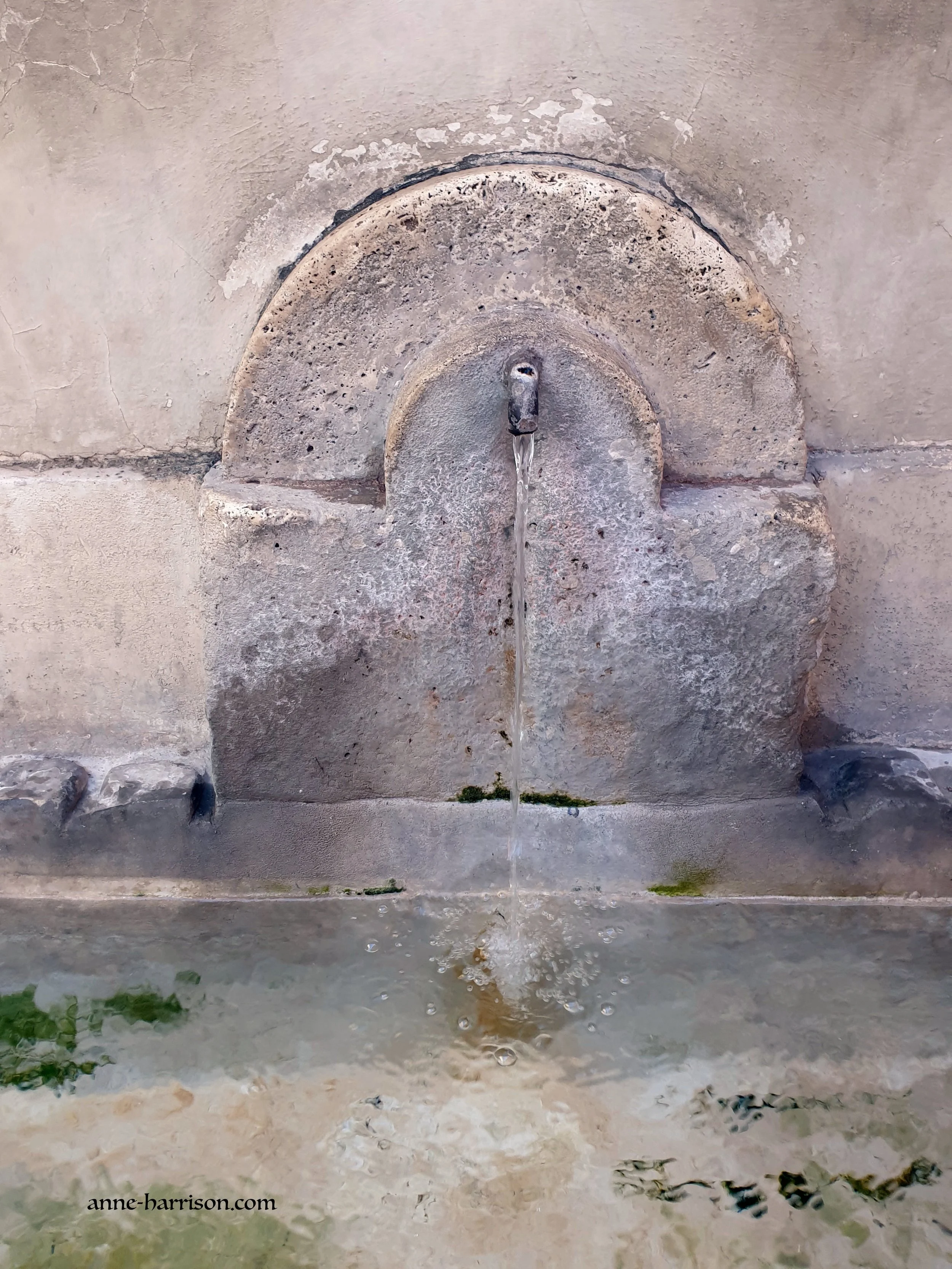
Some 2500 still-functional nasoni can be found all over Rome, often marked by the queue of locals waiting patiently to fill their water bottles. (Many prefer the taste to the water piped to their houses.) Each fountain is stamped with the initials SPQR — Senatus Populous Romanus (Senate and People of Rome). The water courses some 130km of aqueduct from a reservoir in Peschiera. When the spout is blocked, water arcs out of a small hole on the upper side of the spout, perfect for drinking. Even in summer, the water is icy-cold.
Unlike the beveratore, the nasoni have no basin — they were built for the people of Rome, not for their horses.
Trinita de Monti — A Hidden Gem Atop The Spanish Steps
For centuries the Spanish Steps have been the meeting place of Rome. Despite their name, they were actually designed and built by the French in 1725, to link the French-built Trinita de Monti to the Piazza di Spagna (which until then was accessible only by a steep and uneven path.) From the 17th C the Piazza di Spagna was actually within Spanish territory, for the Spanish Ambassador to the Holy See resided here (foreigners who unwittingly crossed the border risked being dragooned into the Spanish Army).
The Trinita de Monti is a twin-towered Gothic church built in 1495 by Charles VIII of France. In most guidebooks, it barely rates a mention, yet the view from its terrace over the Holy City is almost unequalled. The day I arrived a bride and groom were just leaving to the accompaniment of peeling bells, the rose-coloured Baroque arches a beautiful backdrop to their photos.
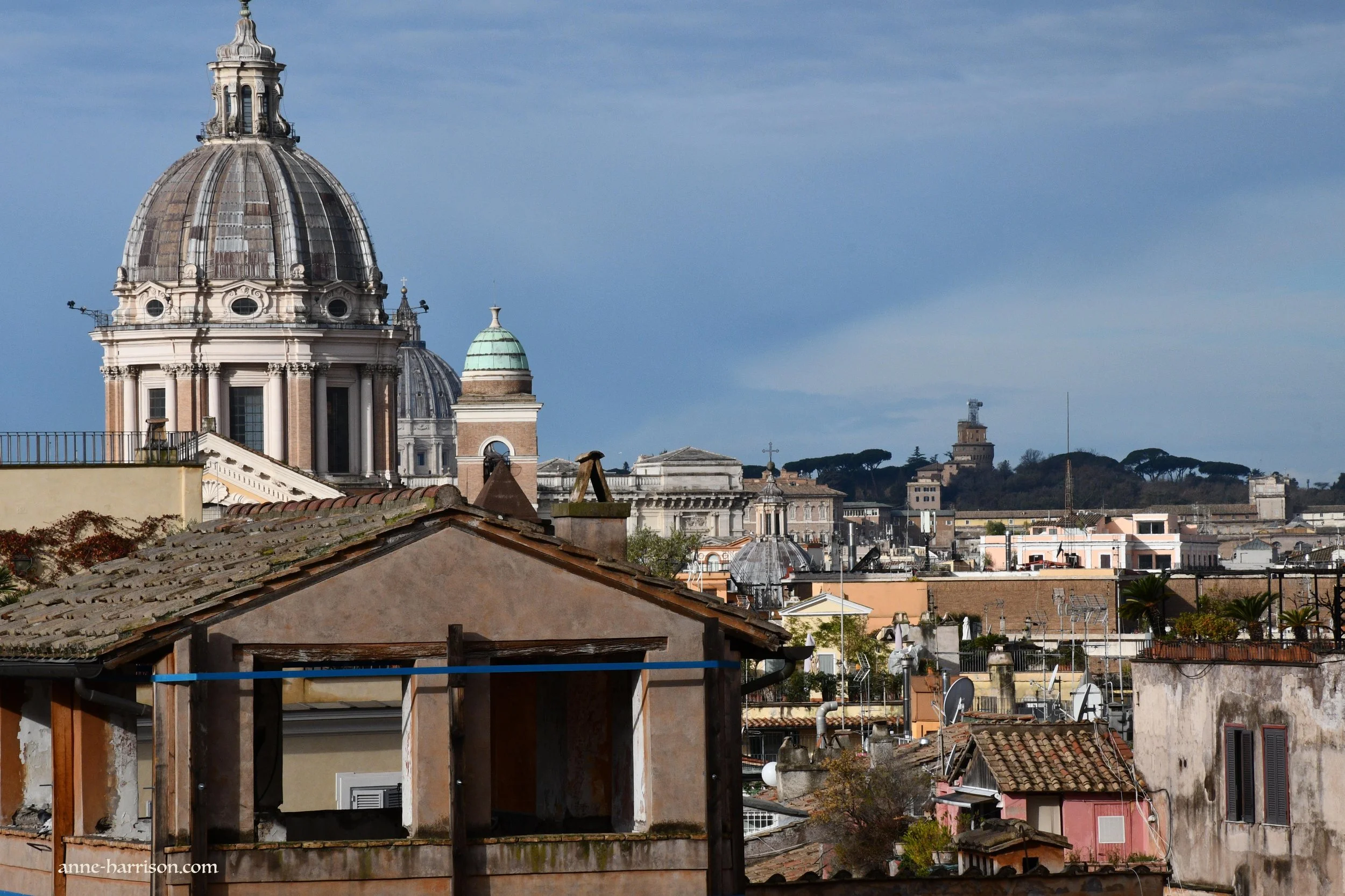
View from the top of the Spanish Steps © A. Harrison
The works inside include two paintings by Daniele da Volterra: a Deposition (which Poussin considered the world’s third greatest painting) and an Assumption. In The Assumption, Michelangelo is the grey-bearded figure to the far right. (A pupil of Michelangelo, Volterra was later ‘asked’ by Pope Pius IV to paint clothes over the nude figures of the Sistine Chapel).
The Trinita de Monti opens onto the Spanish Steps. The perennial crowds cover the religious symbolism of the steps: the three flights represent the Trinity. At their bottom is the Fontana della Barcaccia, created by Pietro Bernini, (father of the more famous son). Due to the low water pressure of the supplying aqueduct, Pietro designed a half-sunken boat resting in a pool of water. The bees covering the fountain are the emblem of Pope Urban VIII, who commissioned the fountain (along with many works across the city). Despite the bees, the water here is reputedly the sweetest in Rome.
Then There’s Always the Coffee….
It is said the best way to visit the Pantheon is during a storm, standing inside and watching the rain fall through the hole in the roof. Rain can’t always be made to order, but the Pantheon is always worth a visit. The only extant perfectly preserved ancient building in modern Rome, it is the burial site of the Kings of Rome — and Raphael, the artist who died of too much love.
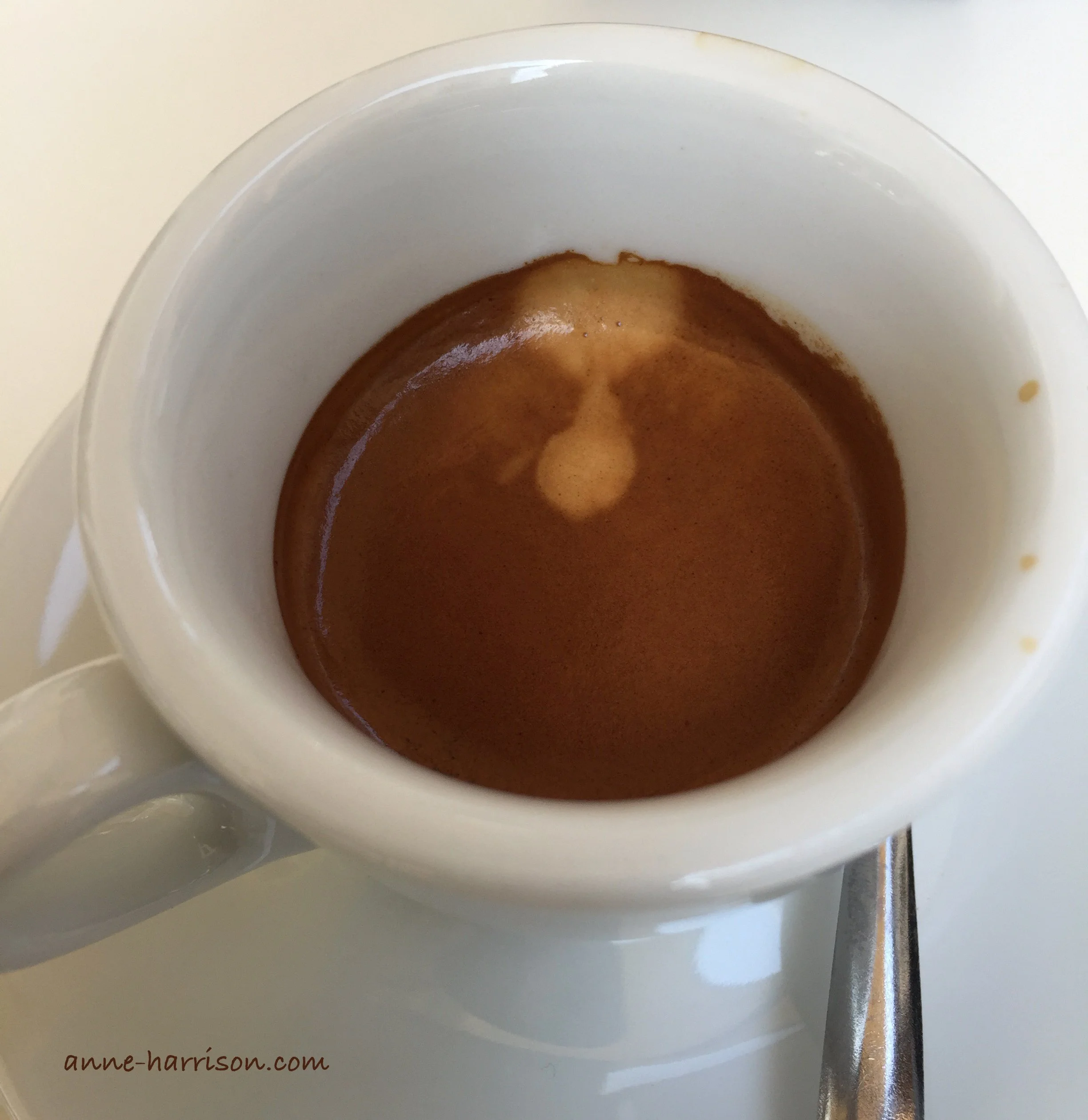
The narrow Via Palombella runs from the Pantheon to the Piazza di Sant’ Eustachio. Here is the Cafe di Sant’ Eustachio, which sells Rome’s best coffee (so I may not have tried everywhere, but this is the best I found!) Being served is not for the faint-hearted, for there is often a crowd around the doors. When in Rome, be like the Romans — be confident, cheerful, and use your elbows.
Enjoy my writing? Please subscribe here to follow my blog. Or perhaps you’d like to buy me a coffee? (Or a pony?)
If you like my photos please click either here or on the link in my header to buy (or simply browse) my photos. Or else, please click here to buy either my poetry or novel ebooks. I even have a YouTube channel. Thank you!
Plus, this post may contain affiliate links, from which I (potentially) earn a small commission.
Some of my other blogs you may enjoy:

Thoughts as I sit in a garden in Fiesole, overlooking Florence