
My Life as a Witch Doctor
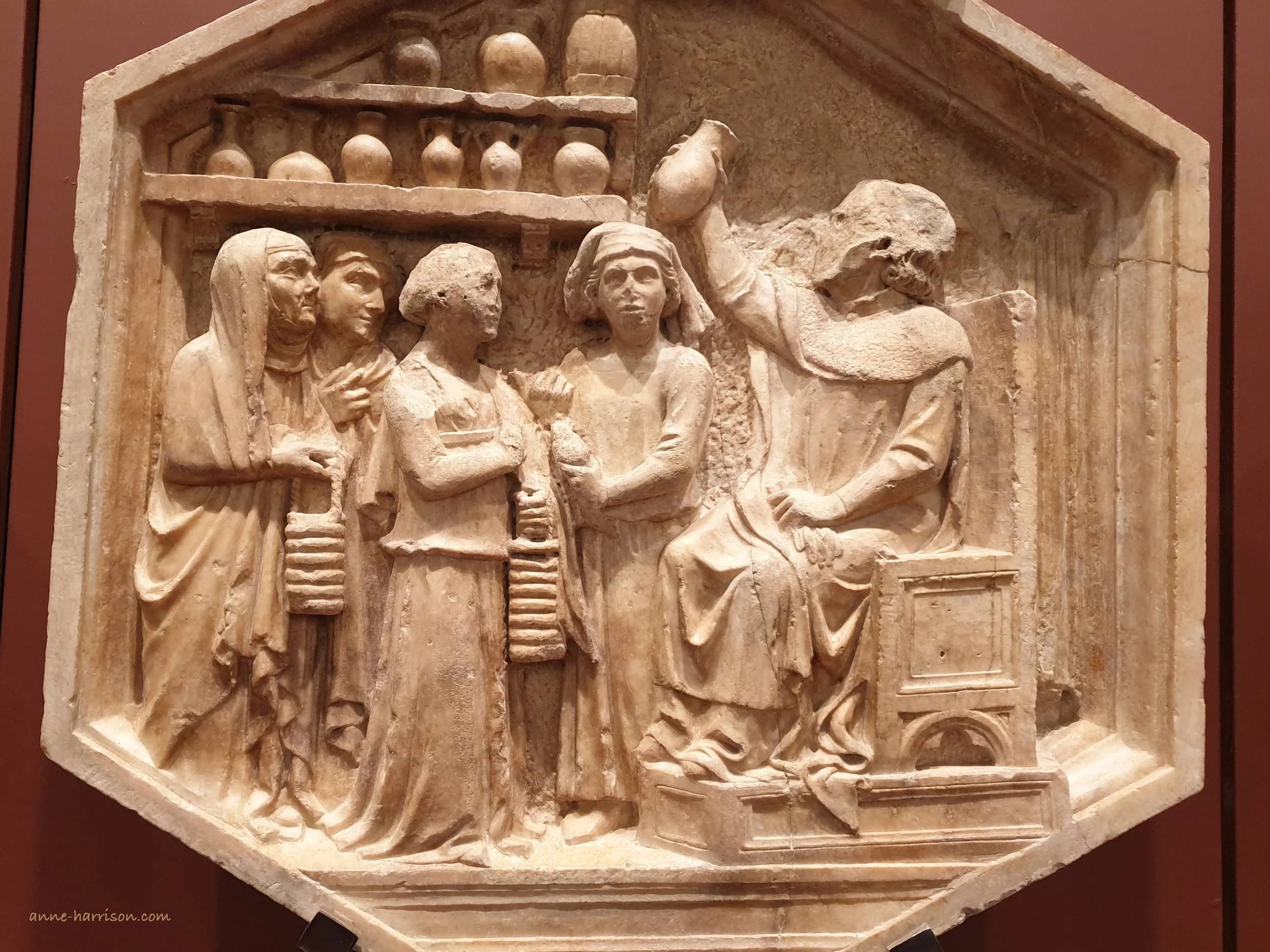
A renaissance carving of a doctor examining a flask (of urine?) © A. Harrison
Now I’m retired, I’m often asked what sort of doctor I was. What sort of practise did I have? Then suddenly it dawned on me. At one hospital where I worked everyone (except the higher echelons of Administration, naturally) swiped on and off electronically using their index finger. The machine flashed either red (rejected) or green (accepted) — except for me. The scan always comes up purple. At first I thought (hoped?) I was a fem-bot, but as I rarely show up in group photographs (for I’m usually on the other end of the camera) it dawned on me: I am a witch who is a doctor.
I often find it hard to explain my past role of a hospital CMO (Career Medical Officer). The Americans are trending towards the term Hospitalist: a doctor who specialises in hospital medicine. (With the accent on the third syllable, the word conjures up images of medieval monks caring for the sick. I like that, though I don’t think it’s quite what the Americans intended.)
So I tend towards the term slave. Or minion. People understand these.
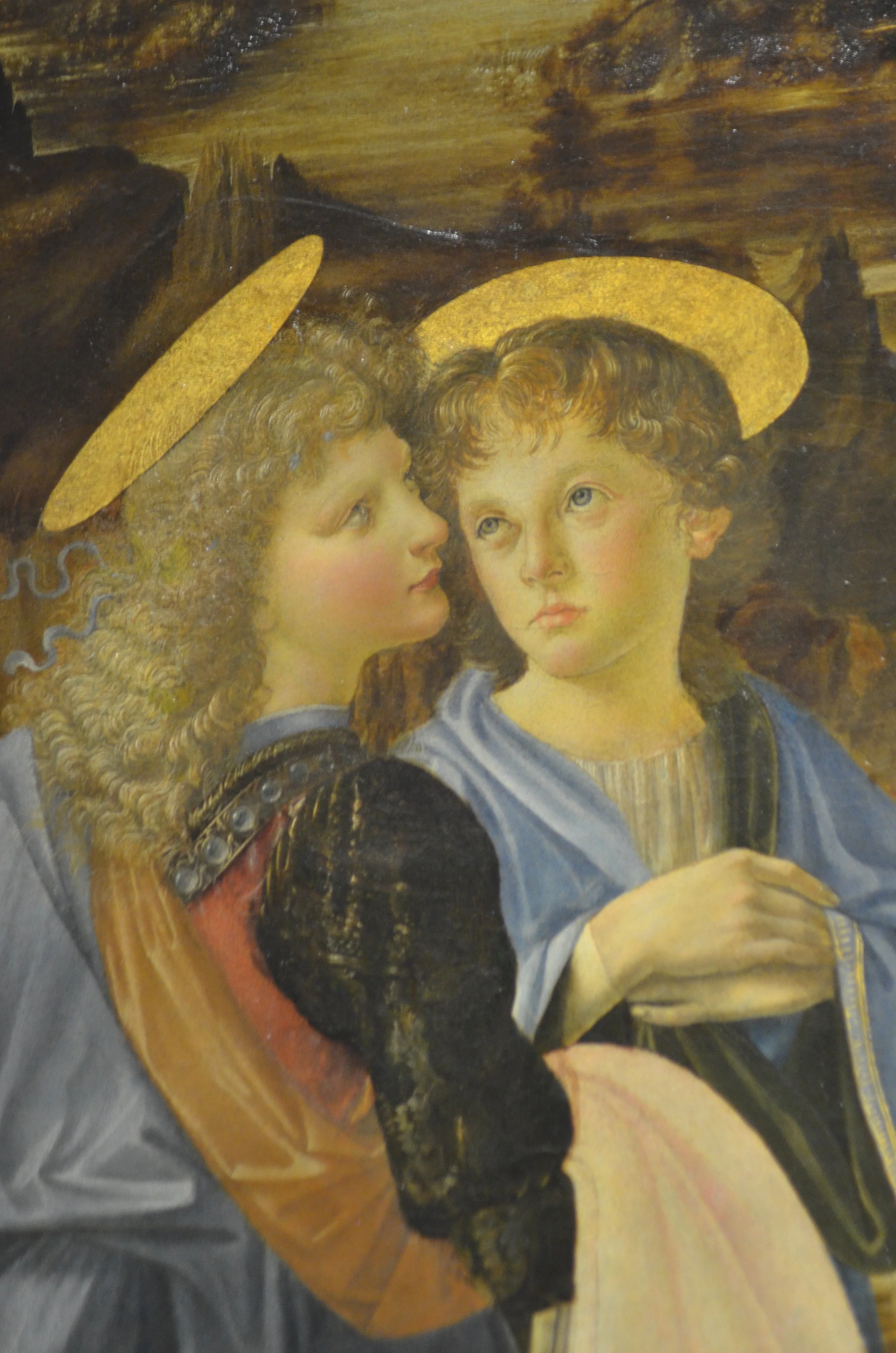
An angel painted by Leonardo while still an apprentice: the ultimate Renaissance man © A. Harrison
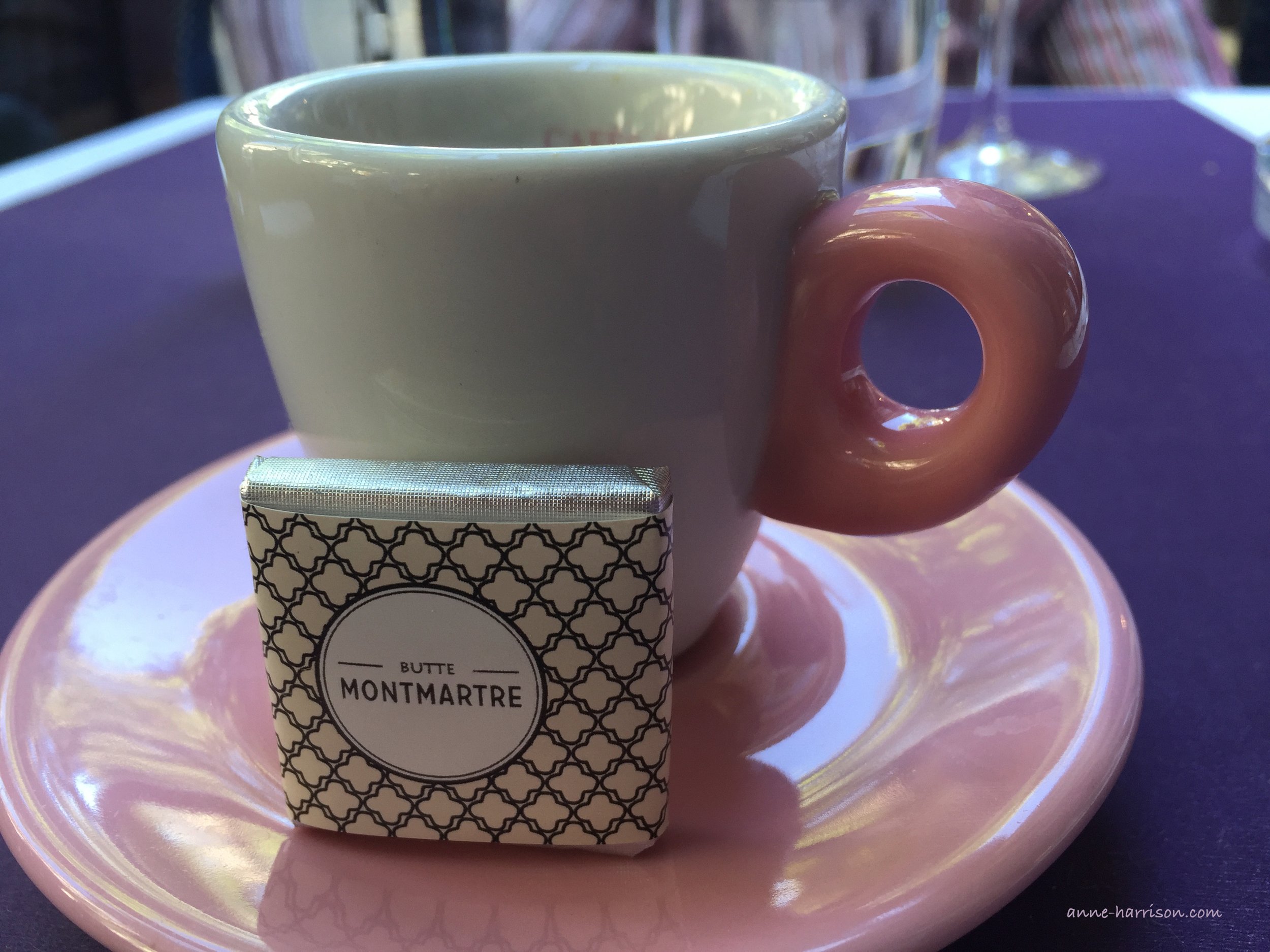
My girls think I swan around gossiping and drinking coffee. Which I do quite a lot. When working 24hr shifts I needed my coffee, which is possibly why it features so heavily in my writing. Plus I preferred working in smaller hospitals where I actually knew everyone, so I was always having a chat with the cleaners or the kitchen staff as they pushed their trolleys around the ward. Everyone has story. And it helped to clear my mind when someone had thrown up on my shoes (most times I manage to dodge).
Like an old-fashioned GP, my role encompassed many different skills. Down the centuries the term witch has covered quite the spectrum of personalities, from the inspirational to the psychologically, socially and ethically challenged. Some witches, however, were true Renaissance women (and men, I’m broadminded enough to include the term warlock), skilled in their ability to do many things well rather than focusing on just one skill set. They never claimed to be experts, and were willing to think independently in a time when individual thought was not encouraged. They lived, as a consequence, outside the system.
The world has changed little.
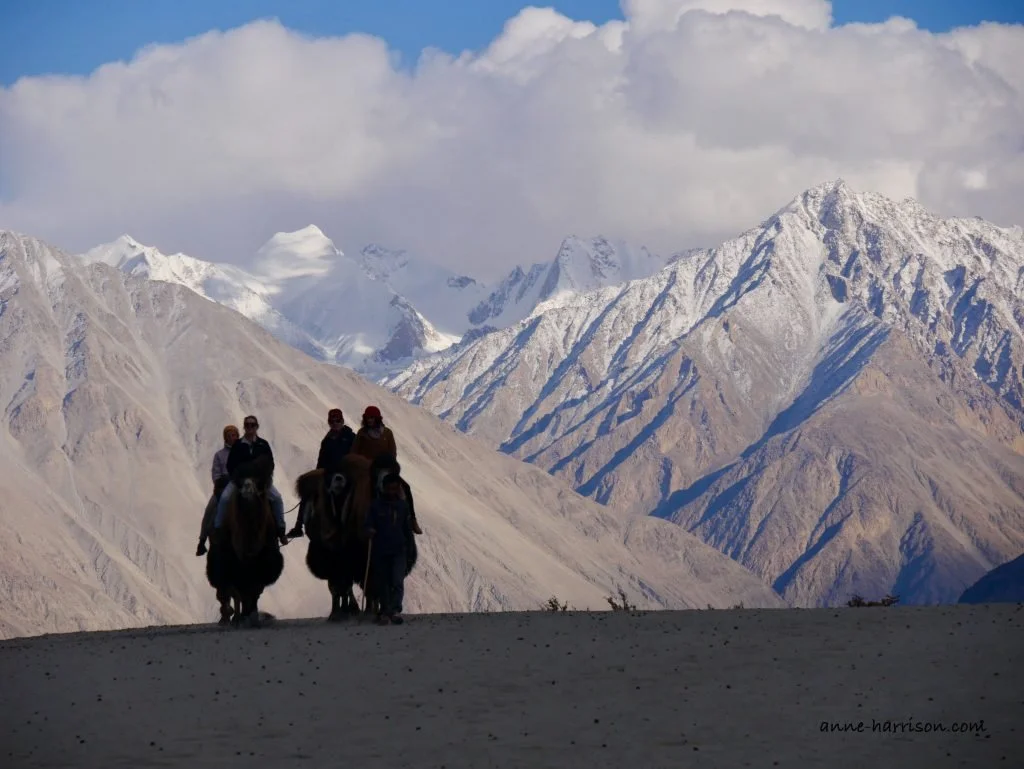
Me, a camel and the Himalayan foothills © A. Harrison
Fortunately I lack both the hair and face-mask of those true witch-doctors portrayed in the countless Tarzan movies of my youth. These days it seems everyone and anyone who works in a hospital wears scrubs with their name tattooed across one breast, even when out shopping. Comfortable, convenient, but on me, totally unflattering; I haven’t donned them since my days in anaesthetics. Maybe Audrey Hepburn could have pulled them off, or Grace Kelly. Then again, they never saw the need to try. When I put on my heels and flowing skirts perhaps I was wearing my own ritualistic uniform.
One of my work places consisted largely of winding corridors. Filled with speckled sunshine by day, by night the corridors became a world of echoes and dark shadows. More than once I scared the living daylights out of the night cleaner when I suddenly appeared. I kept telling him ghosts don’t clip-clop down a corridor in heels, but with his music playing and headphones on he never heard me.
Unlike a witch who is a doctor, I have no plans to be burnt at the stake, or to be thrown into a pond to see if I sink or float. (I might be a strong swimmer, but it would cause havoc with my shoes). I don’t go into trances and speak in tongues, although I have been known to mutter and frequently talk to both myself and my mis-behaving computer. I’m also good at losing track of time. Too often suddenly half an hour, an hour has vanished. I’m always late. Real time versus medical time.
To some I remained nigh invisible. Which doctor is on today? Get the CMO to do it. This was so often said when I was standing two feet away. Being invisible, however, has its advantages: I get to bear witness to the full spectrum of humanity. Like the witches, I see not only the flaws in the system, but also what is good, and what works. I had time just to be with people, both patients and staff. In some ways my role was much like a parish priest; through my patients, and those I work with, I’ve seen the spectrum of humanity, with all its faults but also all its inspirations.
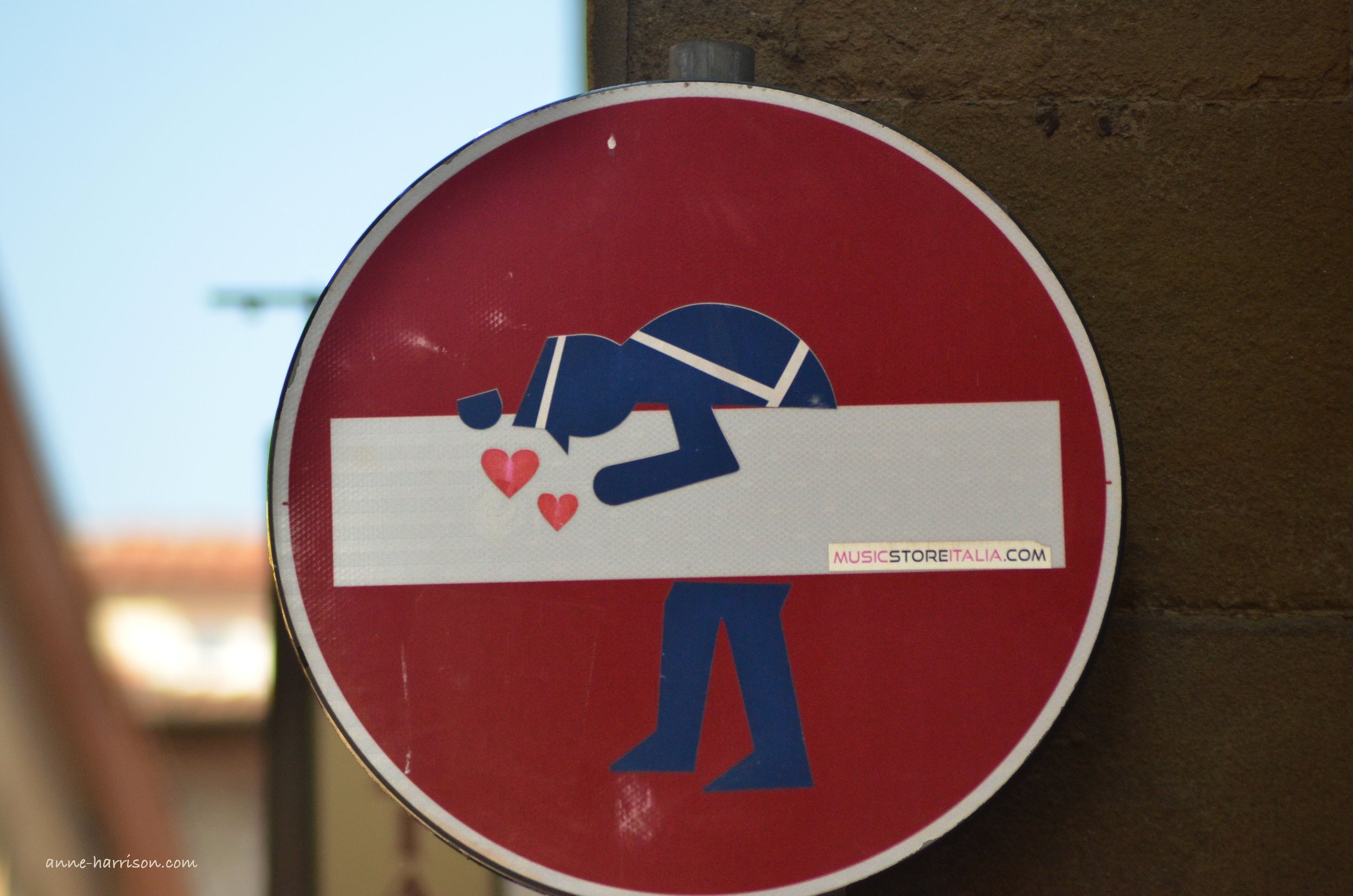
Thanks on surviving yet another shift © A. Harrison
Enjoy my writing? Please subscribe here to follow my blog. Or perhaps you’d like to buy me a coffee? (Or a pony?)
If you like my photos please click either here or on the link in my header to buy (or simply browse) my photos. Or else, please click here to buy either my poetry or novel ebooks. I even have a YouTube channel. Thank you!
Plus, this post may contain affiliate links, from which I (potentially) earn a small commission.
Some of my other musings you may enjoy:


Even though I’m now retired, I find it difficult to describe my work as a doctor as I followed less traditional pathways. Sometimes it’s just easiest to call myself a witch doctor.