
The Sparrows of Hong Kong
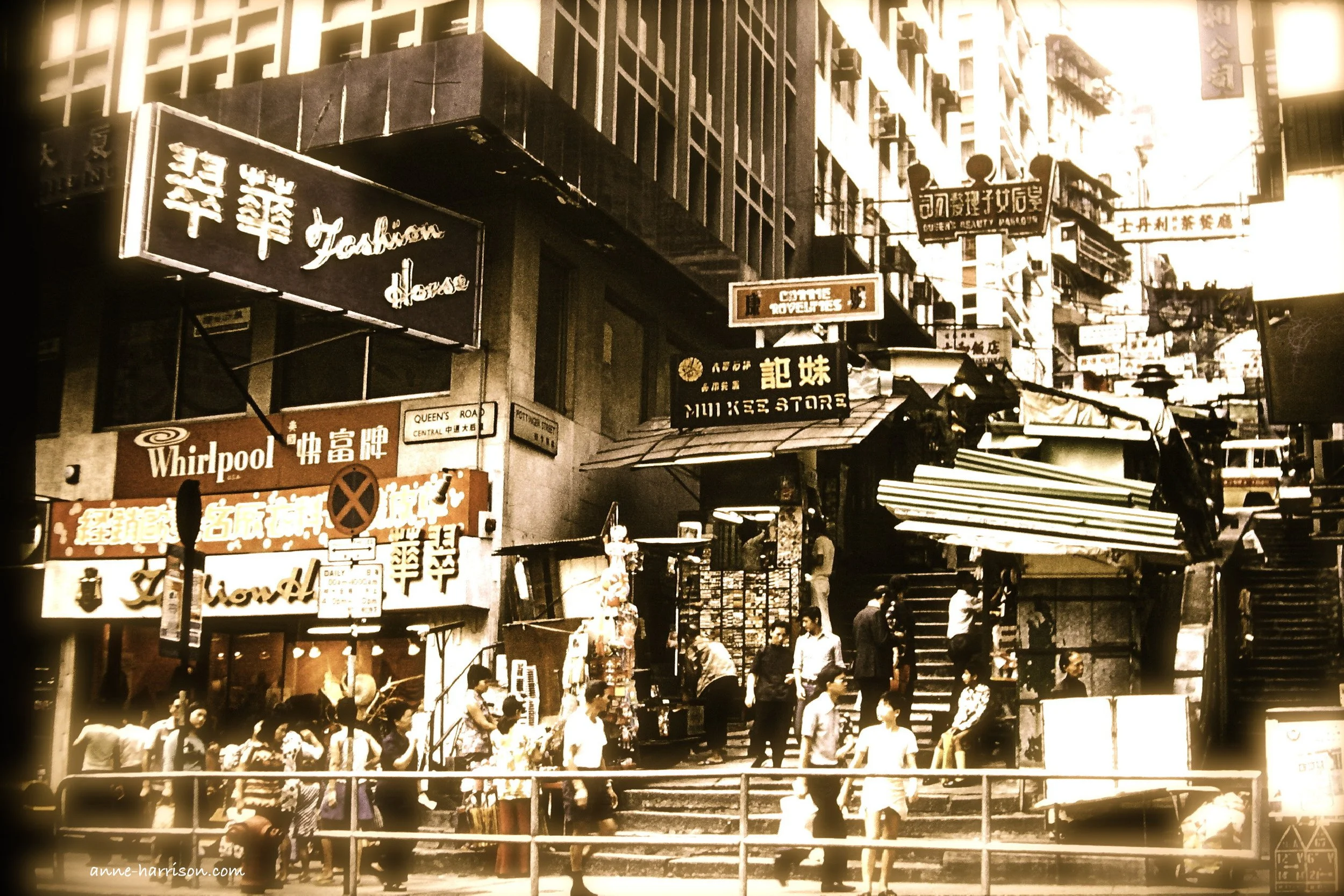
When I first went to Hong Kong life was a sepia image © A. Harrison
I heard them long before I saw them; the twittering of voices, so happy, so light, rising to a deafening crescendo as I came closer. Walking back from the Star Ferry to Central involved a series of raised walkways which connect the high-rise malls and expensive hotels while providing safe access over the road. Indeed, a day can pass in Hong Kong without ever descending to street level.
Hong Kong is a city for walking. In a place perennially crowded and which I have visited so many times since I was a child, yet, amazingly I still discover new places, whether it be in a side street or in full view. It’s so tempting to always revisit old favourites, yet in a place which has survived by continual reinvention, there is always something new — or very old — to find.
The Star Ferry is a classic example. These iconic ferries once ran from the pier at Edinburgh Place, Central, where the clock tower makes the white building a classic landmark. Built in 1957 on land reclaimed from the harbour, Edinburgh Place was itself demolished between 2006 and 2007 for yet more land reclamation. It was reached by a vast tunnel running underneath the main roads of Central.
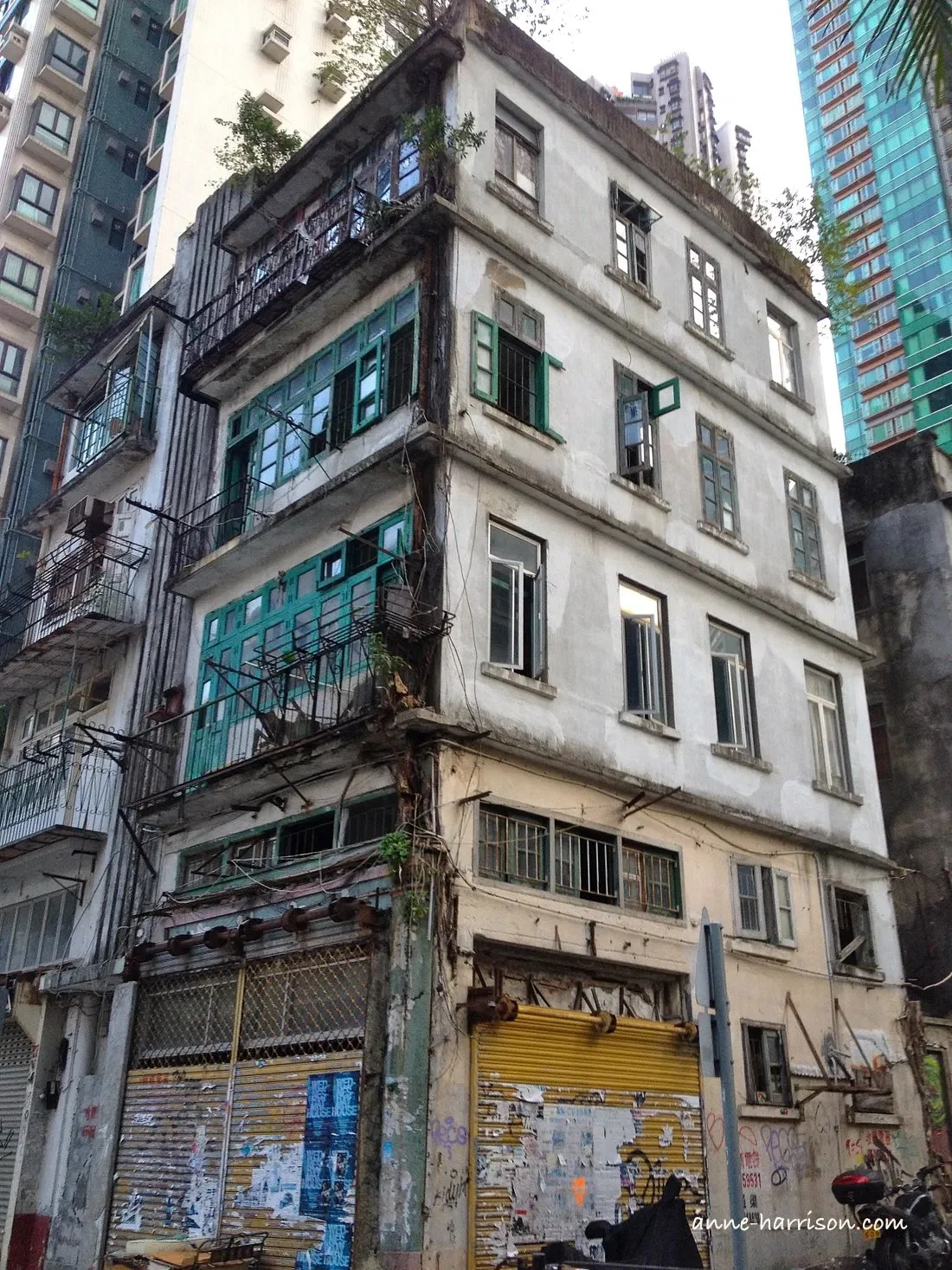
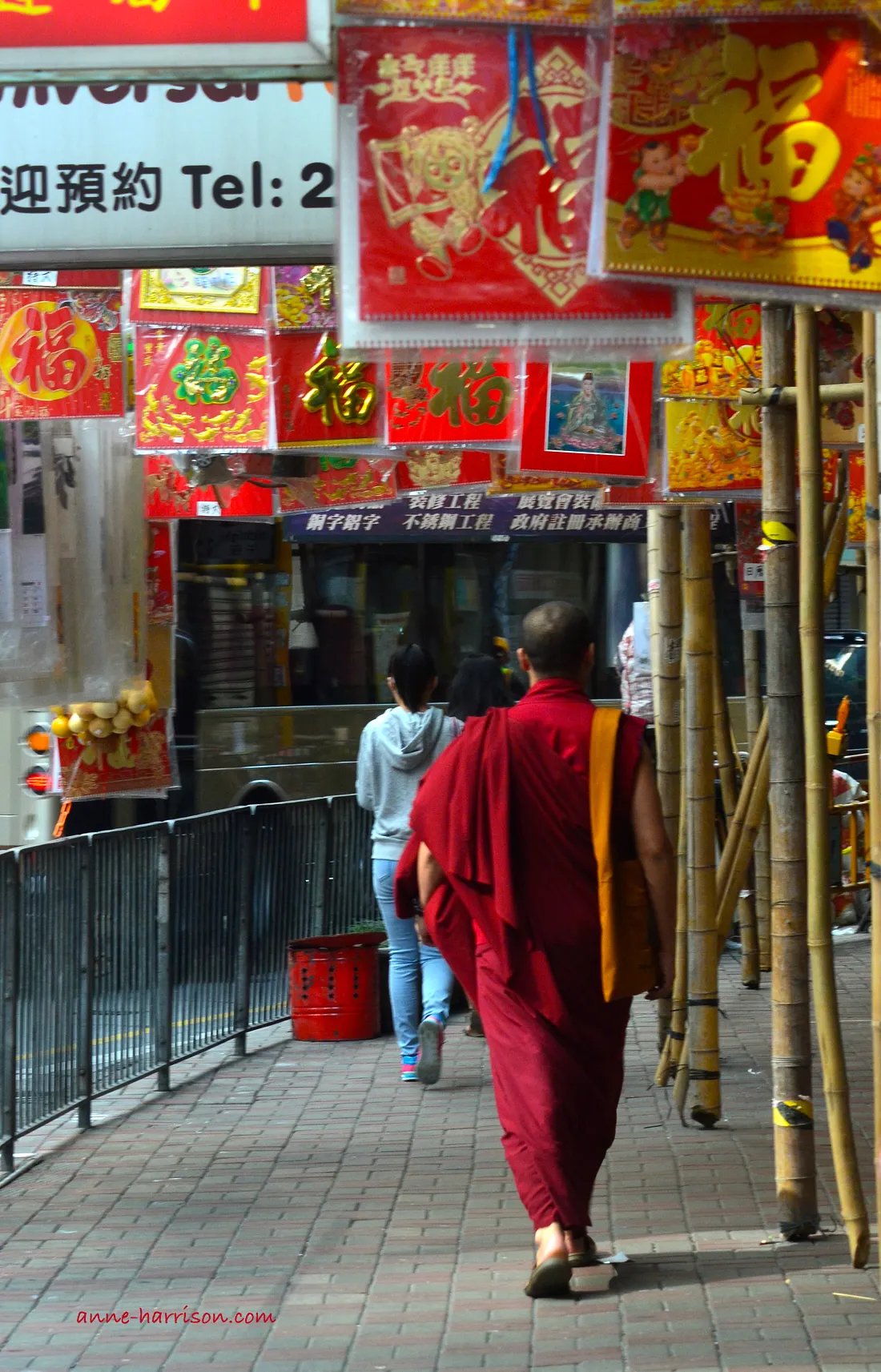
As a child, we always stayed in the Hilton, unfortunately long gone. I still wonder what became of the gorgeous bell-hops in their white uniforms, little older than my then ten-years-old myself. Breakfast, and often dinner, was at the hotel’s Cat St Cafe. I loved looking at the photos of this world long gone — only to discover years later it still existed. (As a child I only saw the Anglo-Saxon version of Hong Kong.)
My parents would lead me down through Admiralty past the Hong Kong and Shanghai Bank, with its stone lions out the front. To me these lions seemed the essence of Hong Kong Island: the building was classic stone, respectable, reliable, but the lions hinted at a culture and philosophy I could only guess at. A way of life thriving while adapting to the customs of so many lands. It was outside the bank I saw my first ATM (yes, I’m that old), with queues of people waiting patiently in the morning light to withdraw their cash. (My skeptical father thought such a thing would prove a fad.)
Then came the tunnel to Edinburgh Place, running underneath the multi-lane thoroughfare. Some rickshaws always waited at the entrance, pulled by tiny, wiry men a third the size of the tourists clambering aboard. The tunnel both scared and fascinated me. Whatever the hour there was always a sea of people walking, walking, either towards the ferry or away from it. On the sidelines stood hawkers, maimed beggars, performers, newspaper vendors, shoeshine men. Added to the smell which comes from a mass of humanity was the unmistakable odour wafting in from the public urinal.
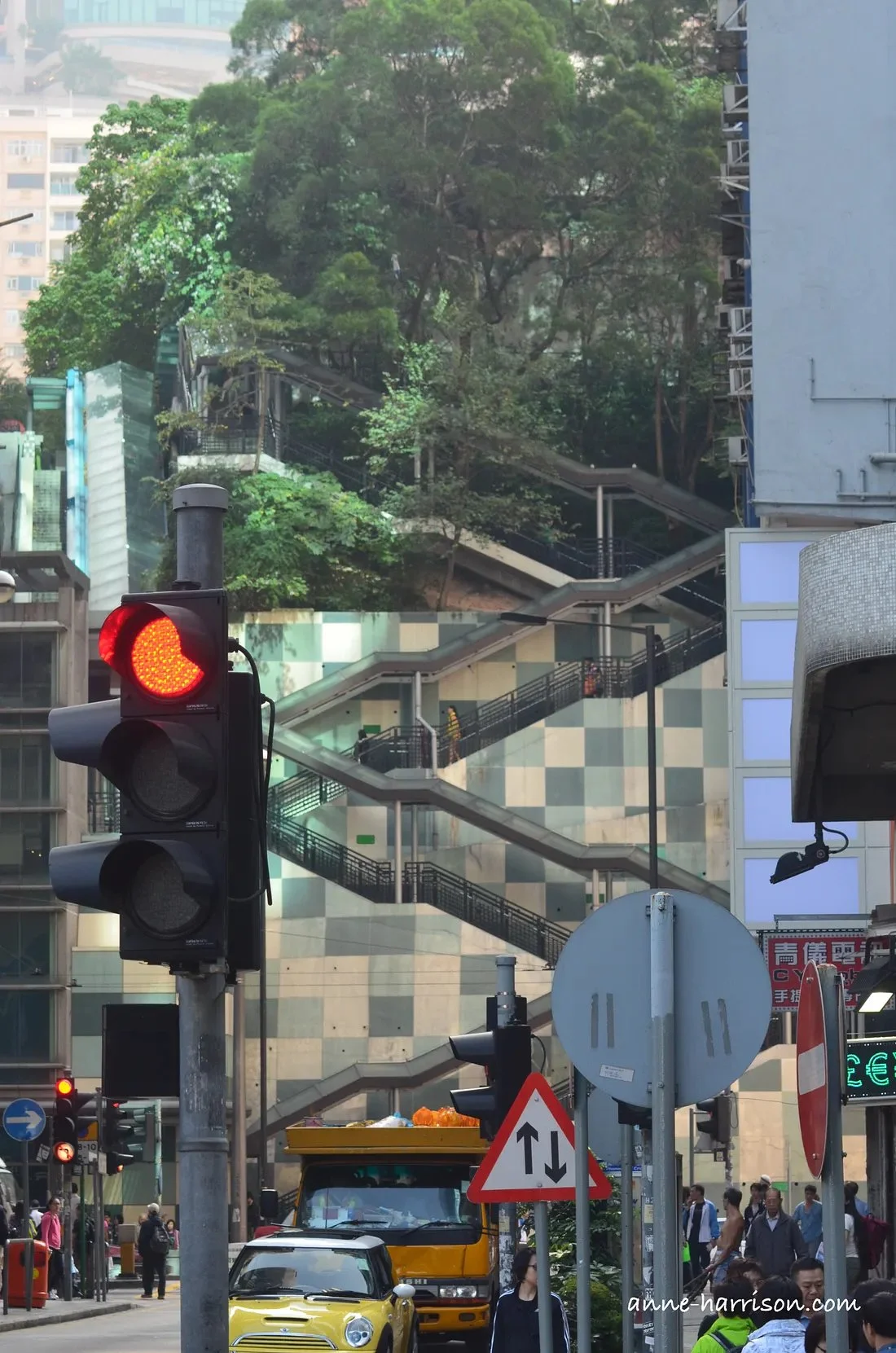
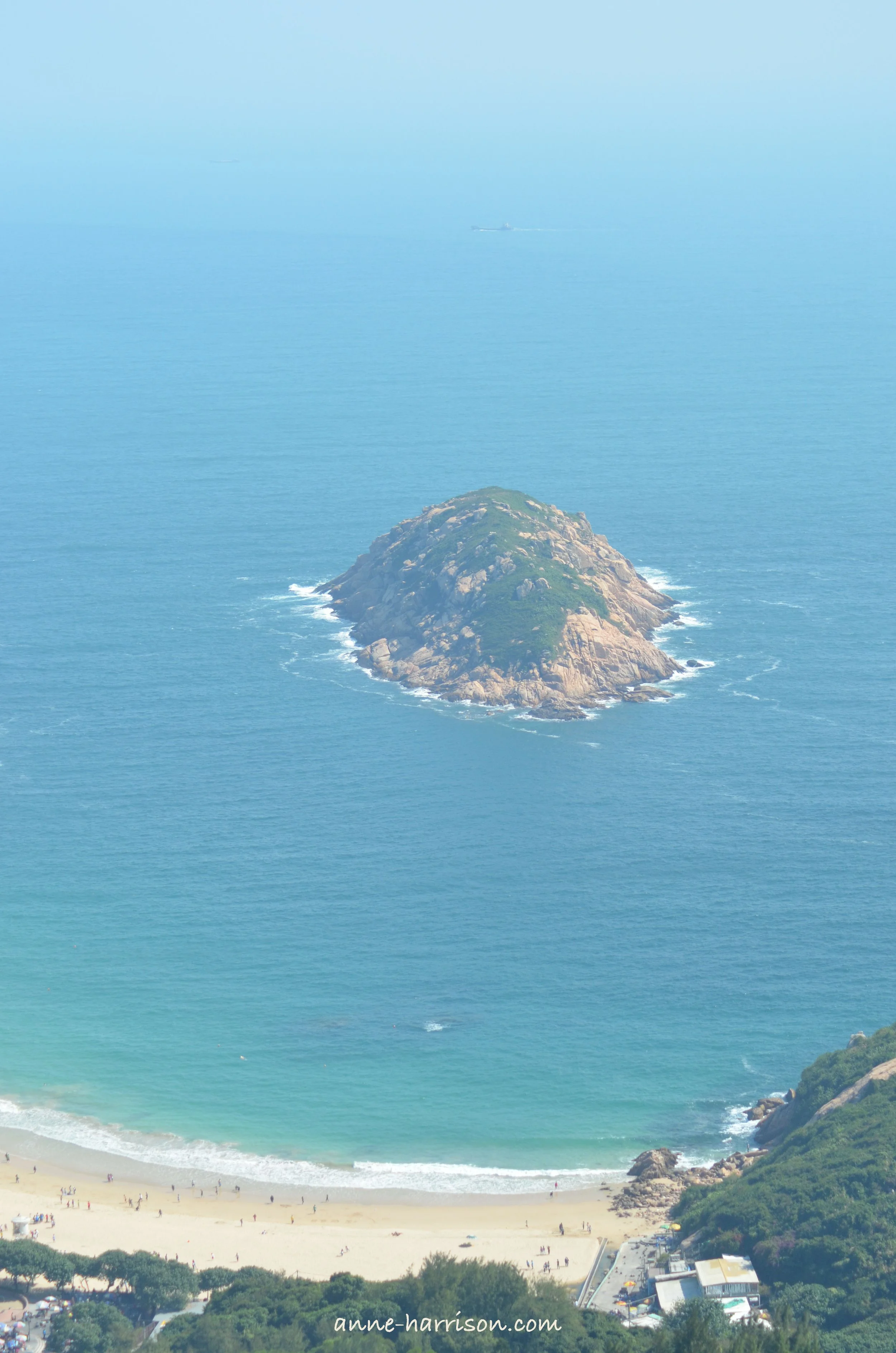
Now, with ever more of the harbour being reclaimed, the Star Ferry has moved to the Central Ferry Piers. From here it is but a 10-minute ride across the harbour to Kowloon. A glance at a map shows how much land Hong Kong has reclaimed; Possession Street is where the English first landed. A plaque on the Landmark Hotel, Peddar Street marks the original waterline, with Queen’s Road once running along the waterfront.
Consequently, reaching the Star Ferry now involves a series of aerial walkways running above the roads and through all the high-rises of Central.
And this is how I found them. A cluster of these walkways were filled with ‘sparrows,’ as I came to call them; hundreds of domestic maids flocking together on their one day off, sitting on these walkways to exchange news, have a picnic and spend the day together. (By law, domestics must live in the house of their employer.) Many used broken cardboard boxes to build barricades, marking a bit of space from the hordes of passers-by. This was especially true of the ‘sparrows, sitting down below, at street level, where the cardboard gave some protection from the traffic fumes.
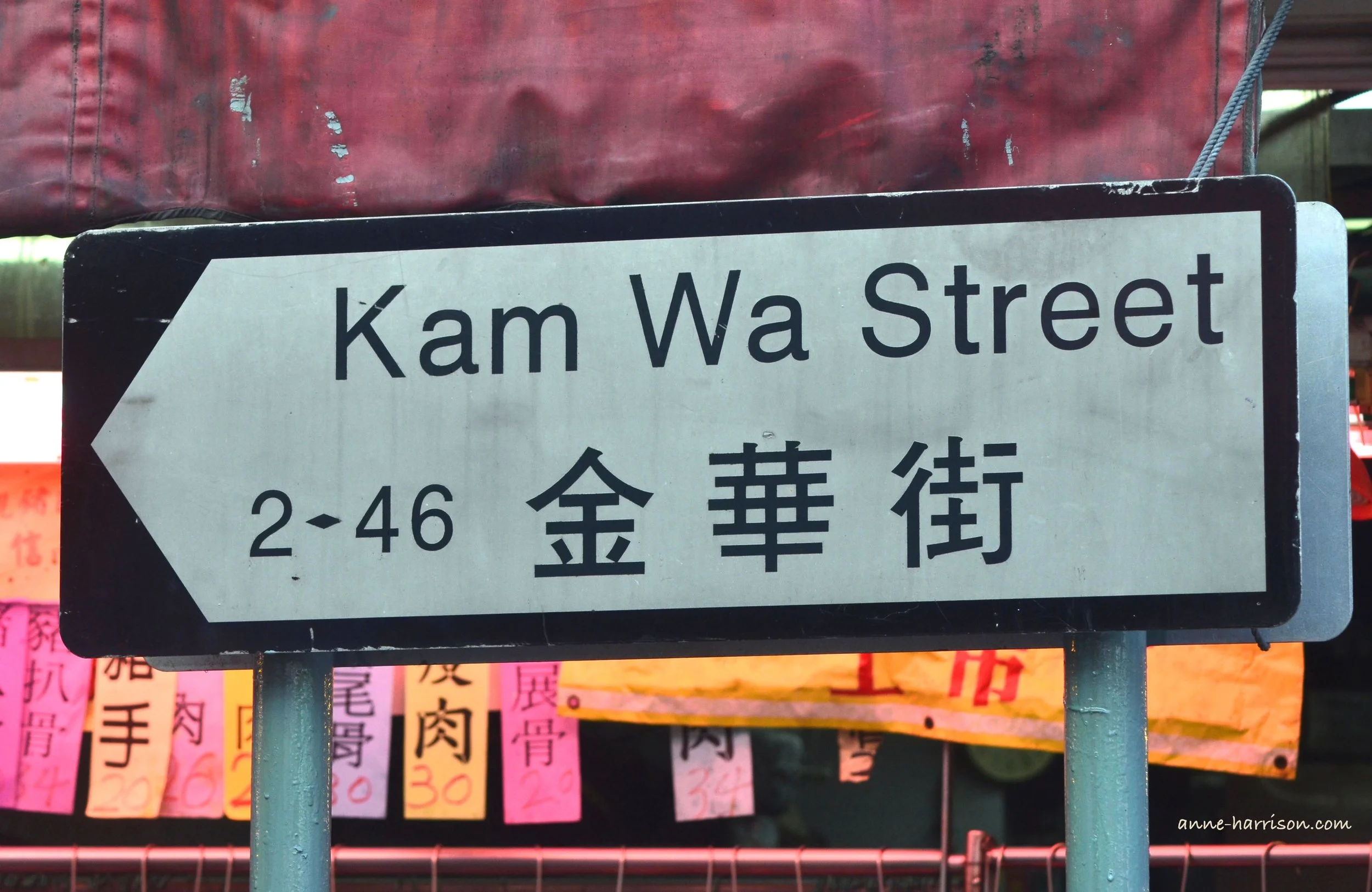
I love the road signs in Hong Kong © A. Harrison
I came across these maids on many parts of the Island: the walkways of Central, the parks of Admiralty, even in small forgotten lanes opening off the main thoroughfare, where often their numbers were reduced to a mere few dozen. I found them down the other end of the island, around Causeway Bay and beyond, where they seemed to be mainly Indonesian, as they were on Kowloon. Nearly half of the foreign domestics are from the Philippines, and over 40% from Indonesia and they gathered together with their fellow countrywomen (they were all women) in distinct areas of Hong Kong.
I called them ‘sparrows’ simply because the sound of their talking as I approached seemed so cheerful against the background clamour of traffic. These women form an unseen part of Hong Kong life: many households rely on cheap foreign labour, who work long hours far away from family to send money back home. In fact, current estimates are that some 3% of the population are foreign domestic workers. With only one day a week off, they happily gather together amongst cardboard boxes and traffic, oblivious to all who pass, sharing food, taking photos to send back home. Each time I passed them, I could not help but wonder: could I do the same? Go alone to work in a foreign land, and picnic in a cardboard box in one of the most densly populated places on Earth. I find it hard enough to walk into a restaurant on my own.
Enjoy my writing? Please subscribe here to follow my blog. Or perhaps you’d like to buy me a coffee? (Or a pony?)
If you like my photos please click either here or on the link in my header to buy (or simply browse) my photos. Or else, please click here to buy either my poetry or novel ebooks. I even have a YouTube channel. Thank you!
Plus, this post may contain affiliate links, from which I (potentially) earn a small commission.
Some of my other posts you may enjoy:


Even though I’m now retired, I find it difficult to describe my work as a doctor as I followed less traditional pathways. Sometimes it’s just easiest to call myself a witch doctor.