
Ayutthaya, Capital of Siam
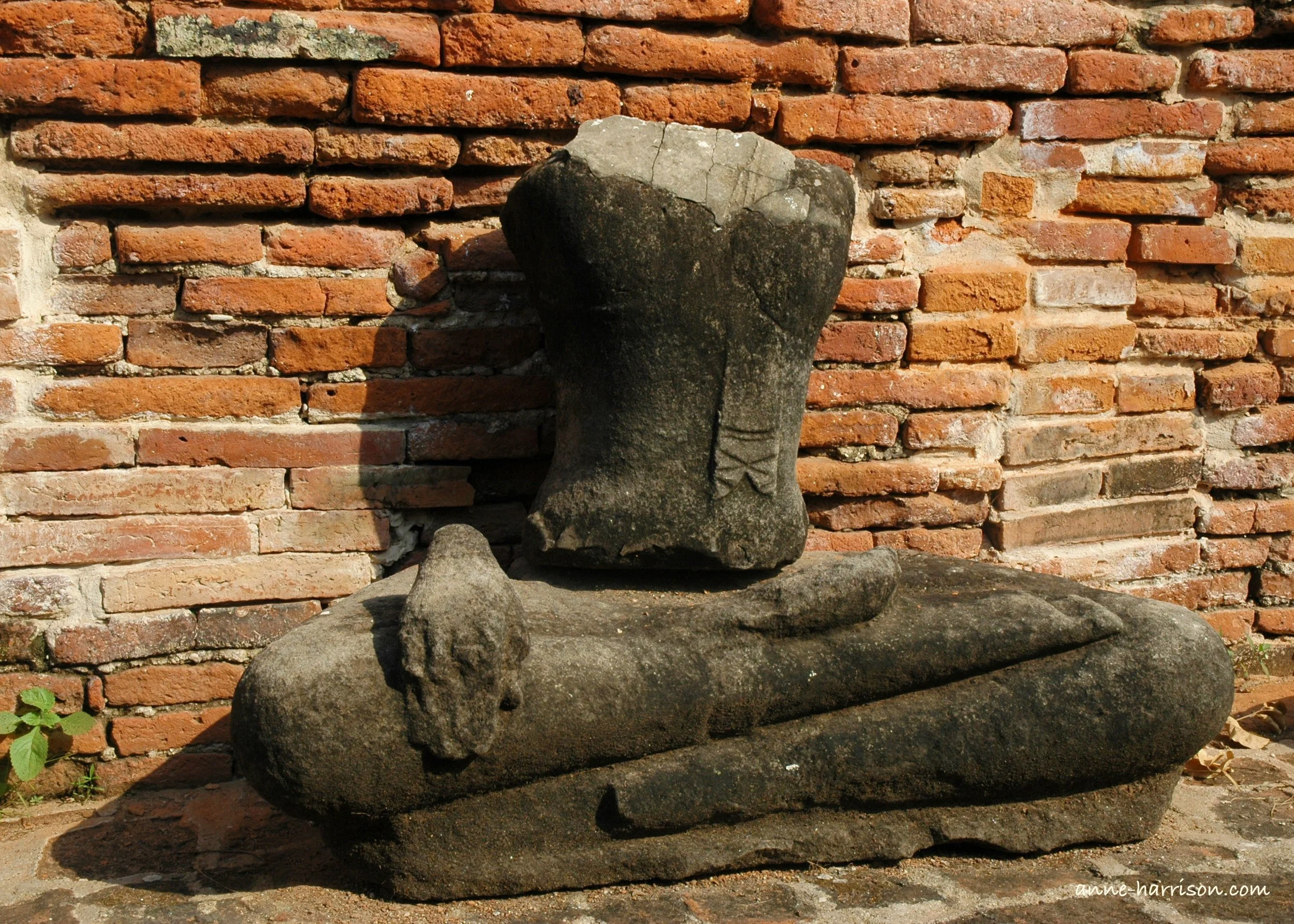
A headless Buddha waiting patiently © A. Harrison
Some seventy kilometres north of Bangkok, Ayutthaya was founded around 1350, becoming the capital of the Siam Kingdom. An island seated at the confluence of three rivers, it quickly became a major trading port and, by the 16th century, had grown to be one of the largest and wealthiest cities in the Orient. The court of King Narai (1656–'88) developed strong links with the court of Louis XIV, whose ambassadors compared the size and wealth of the city to Paris – some estimate that by 1700, Ayutthaya was the largest city in the world, with over one million inhabitants.
Dutch and French reports of the 18th century portray a grand city with large palaces and flotillas of trading vessels from all over the world. In 1767, however, the Burmese invaded, and the city was almost entirely destroyed. The abandoned city became overgrown by the jungle, and restoration work didn’t begin until the 1950s.
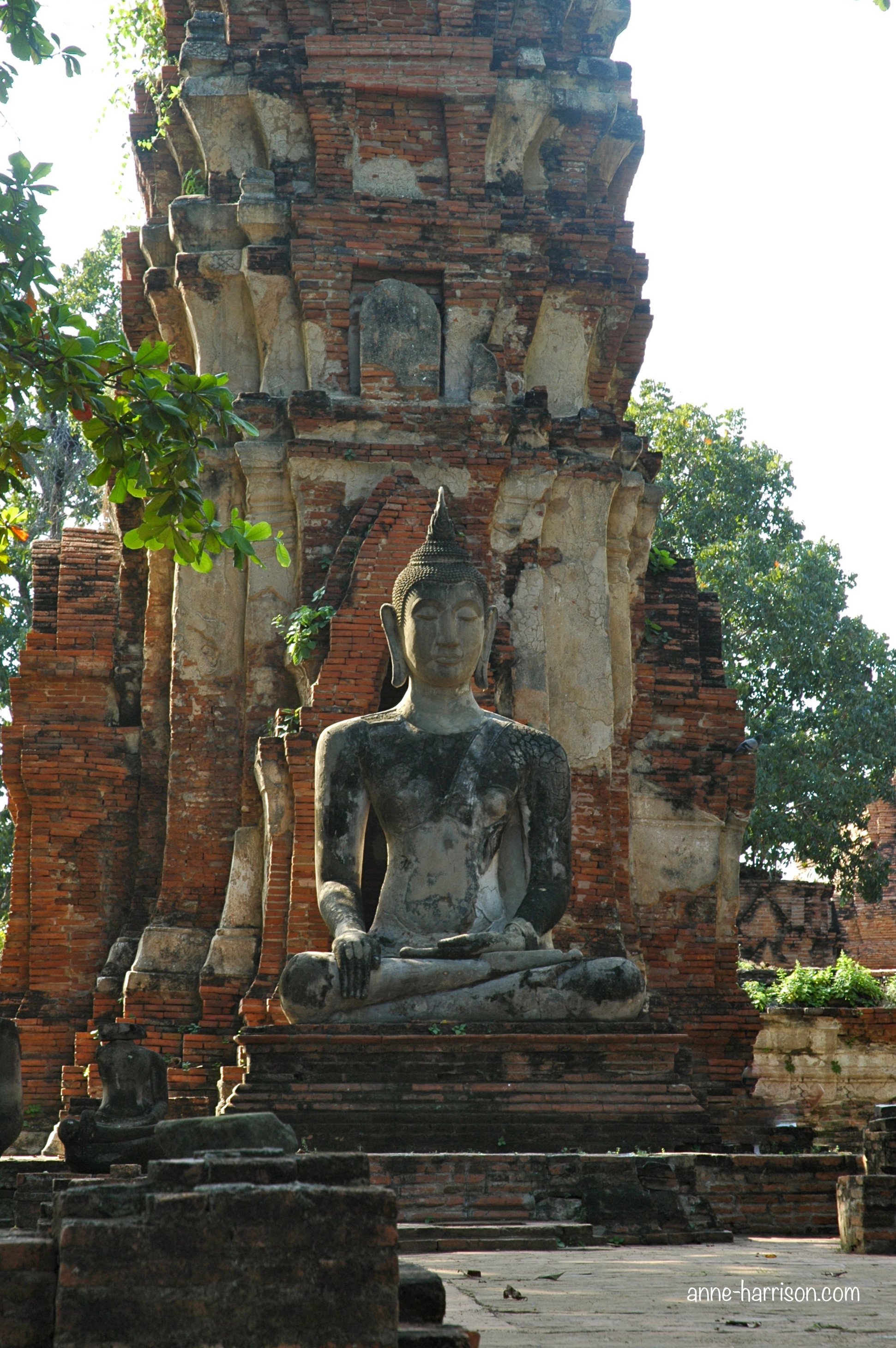
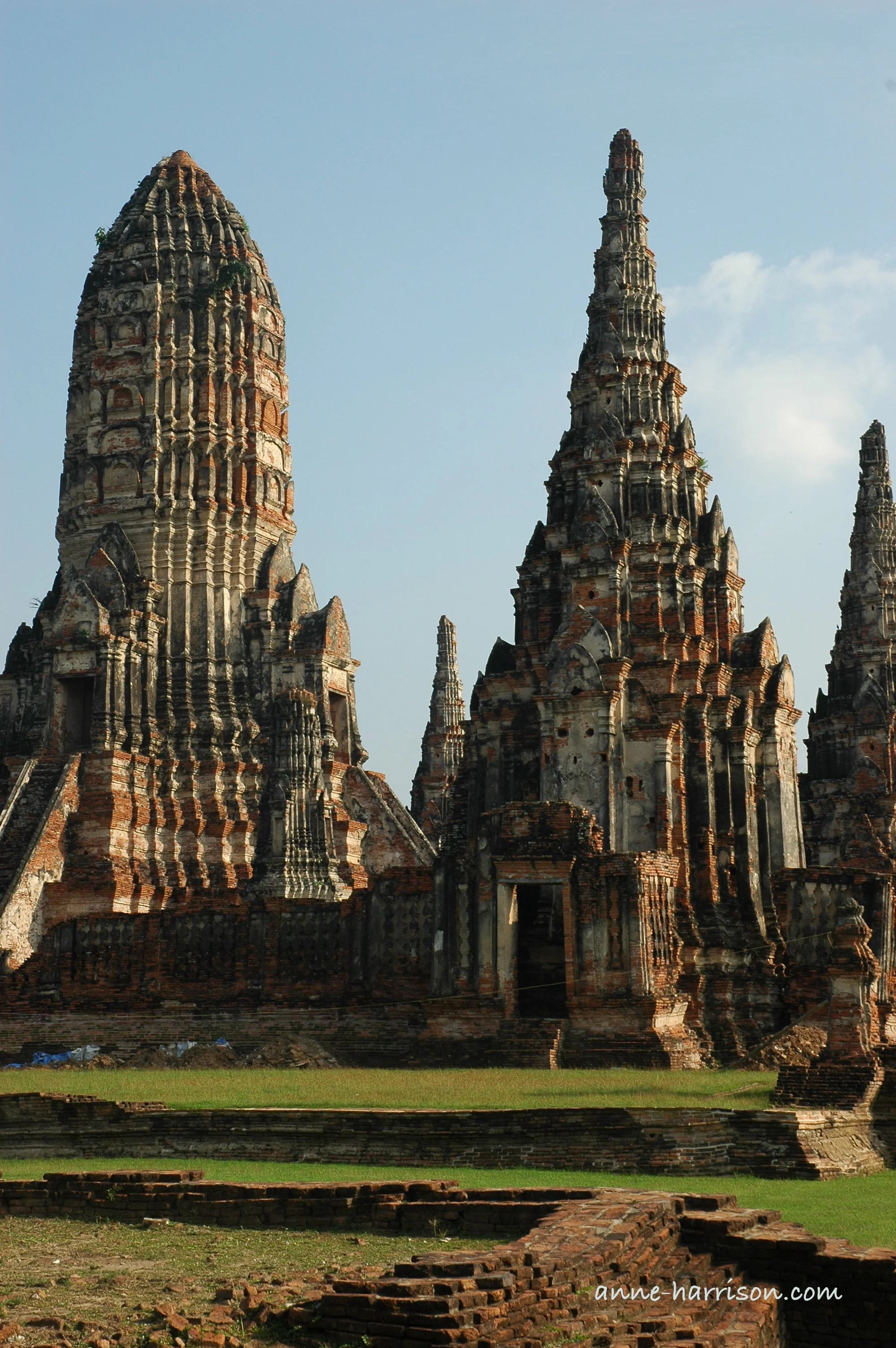
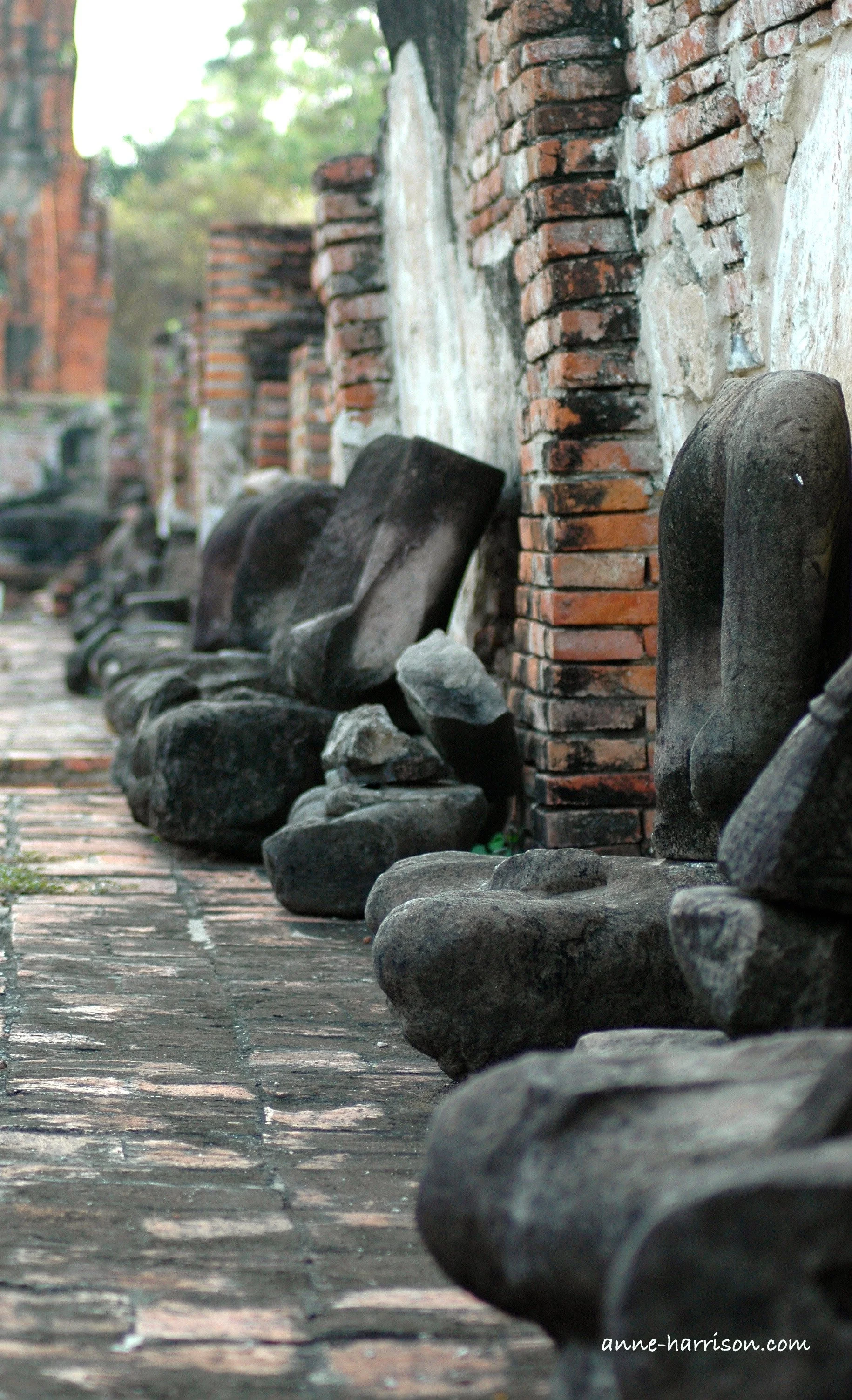
Now a UNESCO World Heritage site, the ruins cover some 290 hectares. In many ways, it is much like wandering the Roman Forum, with many places to visit, and the sense of past greatness is palpable. Lavish architecture crumbles into the grass, yet the world has moved on, and a vibrant town has grown around the ruins. Indeed, one giant prang (or reliquary tower) serves as a roundabout.
The most famous wat (or temple) in Ayutthaya is Wat Phra Mahathat. Thoroughly ransacked by the Burmese, all that remains are numerous stone prangs, many defying gravity with their drunken angles. Here is the famous Buddha In A Tree – a serene face looks out from between the embracing roots of a bodhi tree. The space is considered holy by the Thai, and one is expected to kneel when taking a photo. To the back of the large complex sits a row of headless Buddhas, patiently meditating as the grass creeps over them.
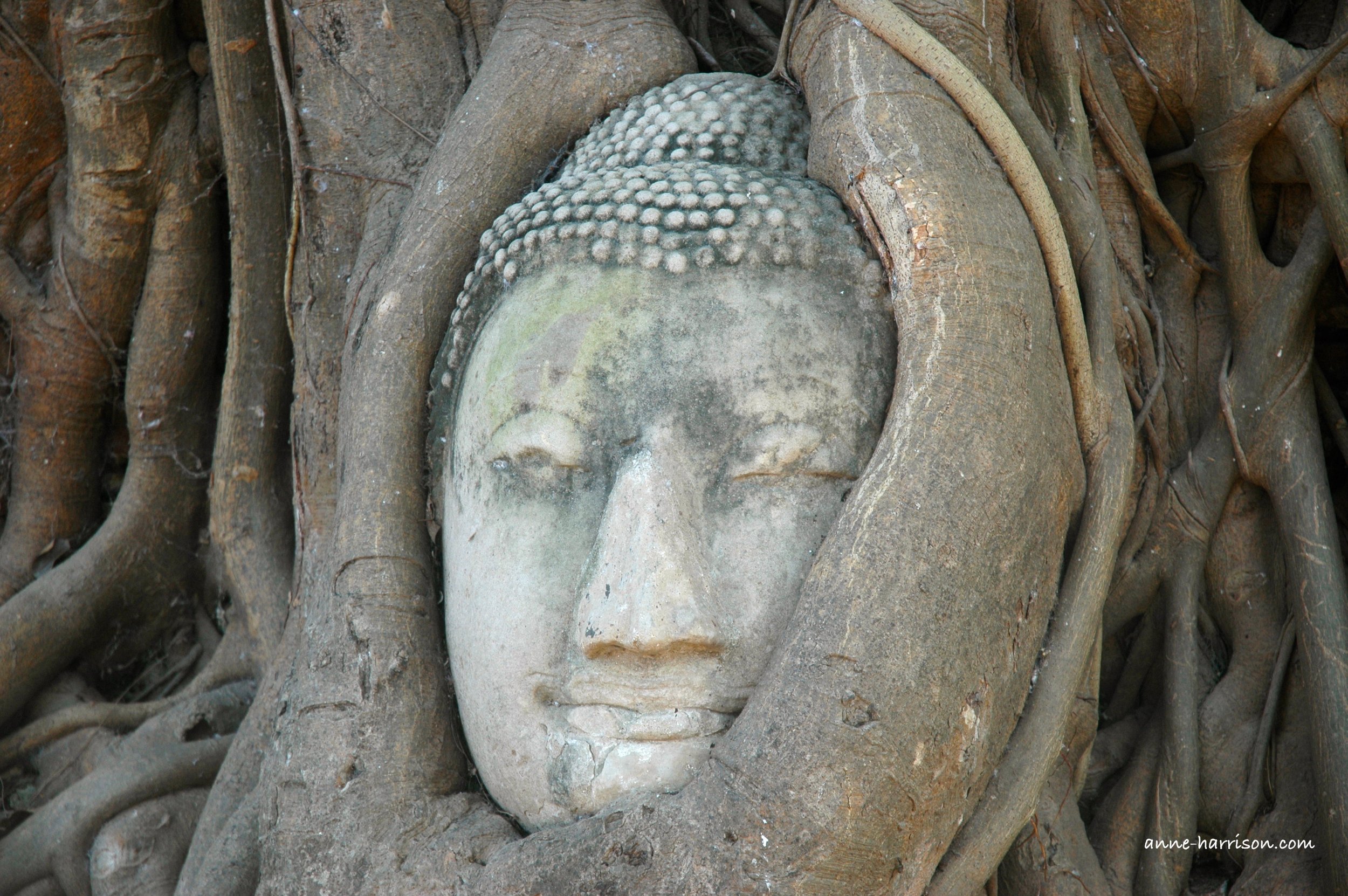
The famous Buddha in a Tree © A. Harrison
Bangkok’s famous Golden Buddha probably came from Ayutthaya. 10 feet long and weighing 5.5 tons, this solid gold statue was at some time covered in stucco and coloured glass, probably to conceal its value from the invading Burmese. When it was taken from Ayutthaya is unknown, and not until it was being moved from a disused temple in 1955 was the stucco damaged and the gold underneath revealed for all to see.
Other sites to see in Ayutthaya include Wat Chai Wattanaram, a replica of Angkor Wat built by King Prasat Thong in 1630. It symbolises Mount Meru, the abode of the heavenly gods. Largely intact, it gives a hint of how the old capital must once have looked. The main river runs beside this temple complex. We looked onto one of the old palace compounds – Ayutthaya once boasted three palaces. Beautiful stairs, covered with lanterns, lead down to the water’s edge. It is easy to imagine the river covered with barges, small fishing boats and large trading ships.
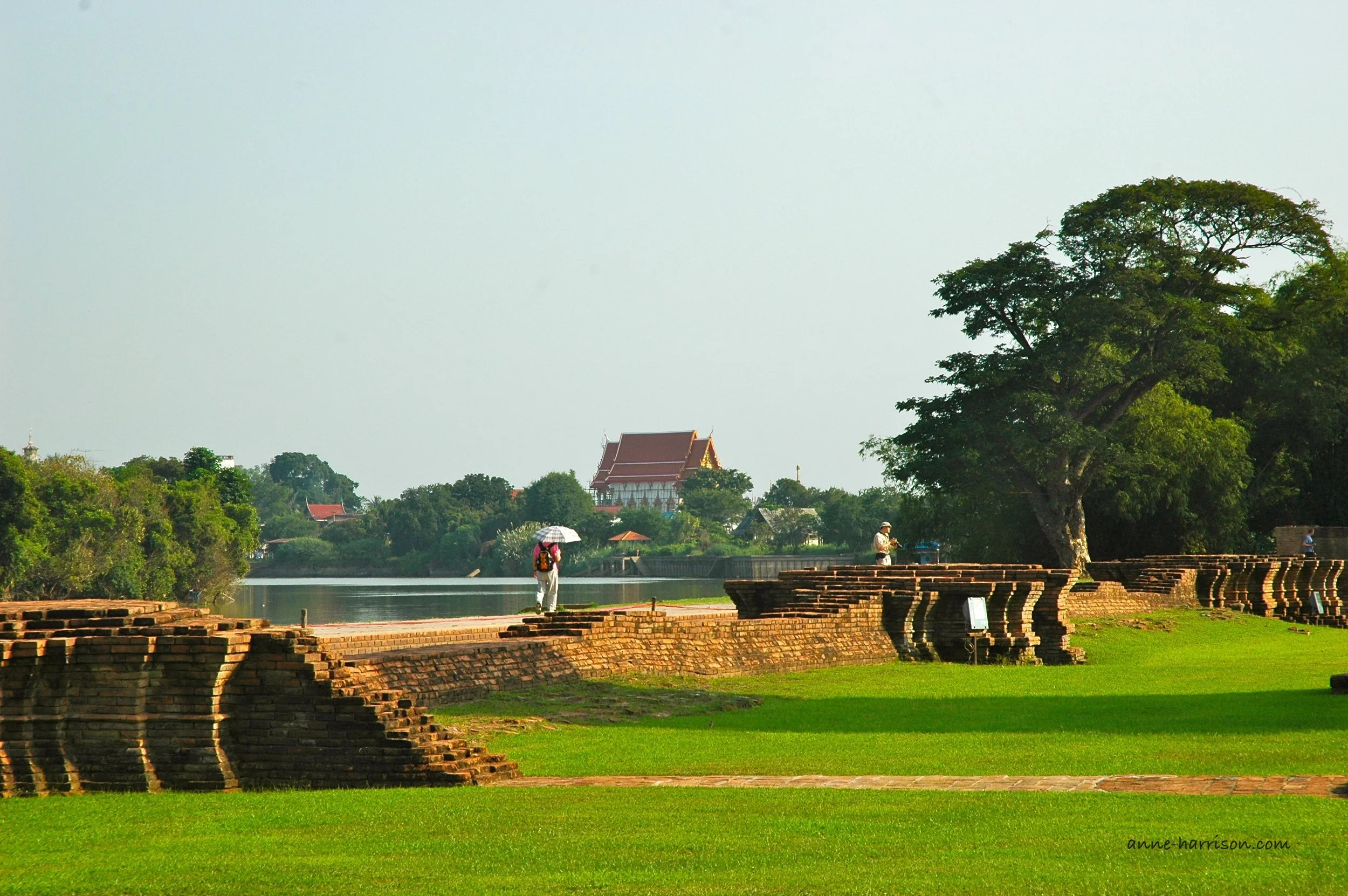
The peaceful grounds of the temple © A. Harrison
Riding an elephant is still an option in Ayutthaya, and these gentle giants are everywhere. If wandering Ayutthaya by foot or bike, it’s best to remember elephants have the right of way. Motorbikes are happy to contest this, scooting almost between the animals’ legs in an endless battle to overtake all cars and other bikes in existence. A group of wizened old ladies sat in the middle of the footpath, selling various beads and cold drinks. I watched as an elephant stepped right around them, the women not even bothering to glance up from their gossiping. As we drove from the town, another elephant tiptoed through a tiny gap between a parked car and a fence when she could’ve easily crushed the car underfoot. Then the elephant stuck its trunk through the back of a passing school bus, to the squeals and delight of the kids inside.
Somehow, it seemed a natural way to end our visit.
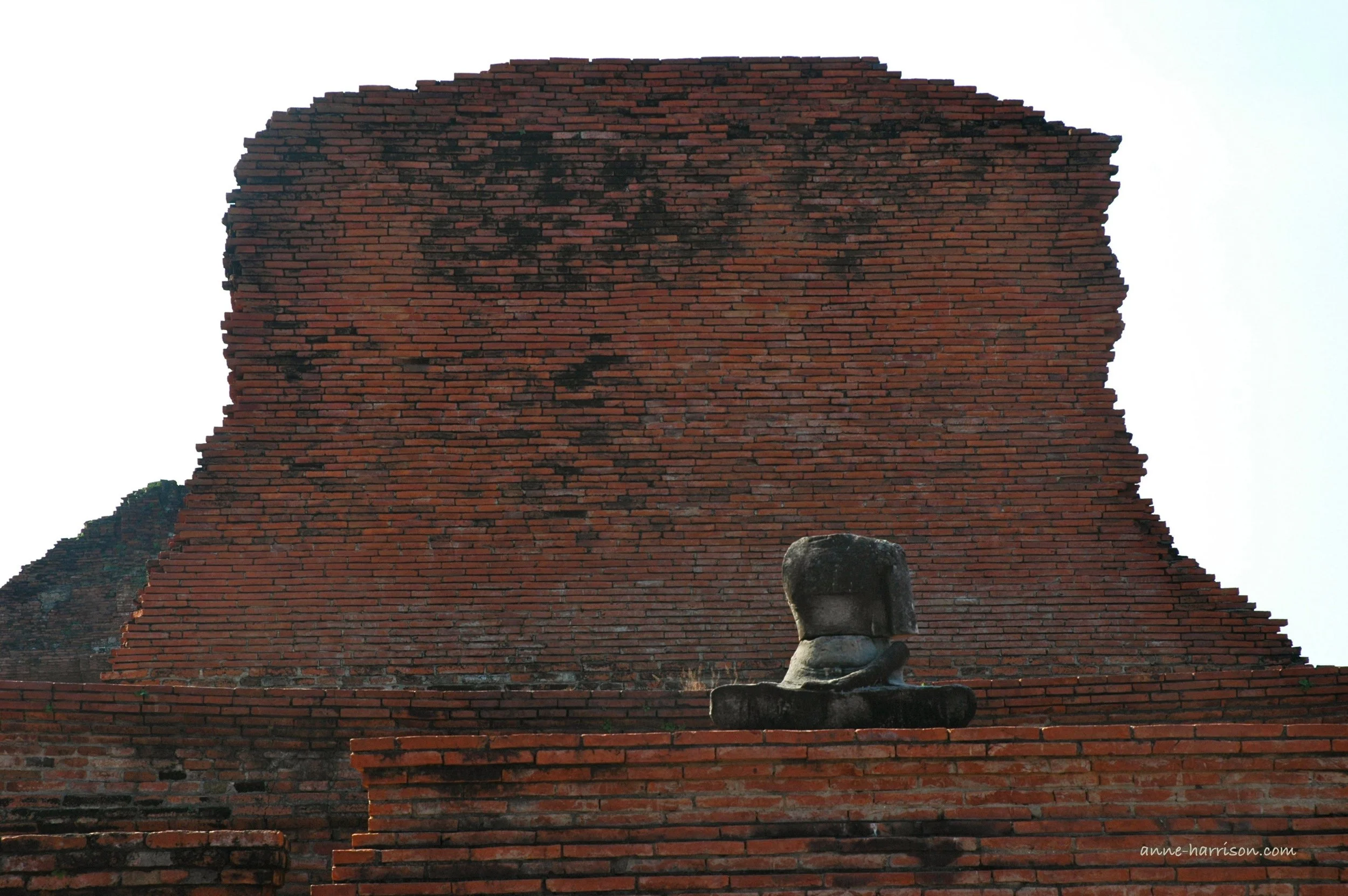
A peaceful buddha dwarfed by a ruined wall © A. Harrison
Some of my other blogs you may enjoy:
Enjoy my writing? Please subscribe here to follow my blog. Or perhaps you’d like to buy me a coffee? (Or a pony?)
If you like my photos please click either here or on the link in my header to buy (or simply browse) my photos. Or else, please click here to buy either my poetry or novel ebooks. I even have a YouTube channel. Thank you!
Plus, this post may contain affiliate links, from which I (potentially) earn a small commission.

Thoughts on rearranging my life as I create a studiolo, in the spirit of Renaissance Italy.