
A Tale of Two Anatomy Theatres
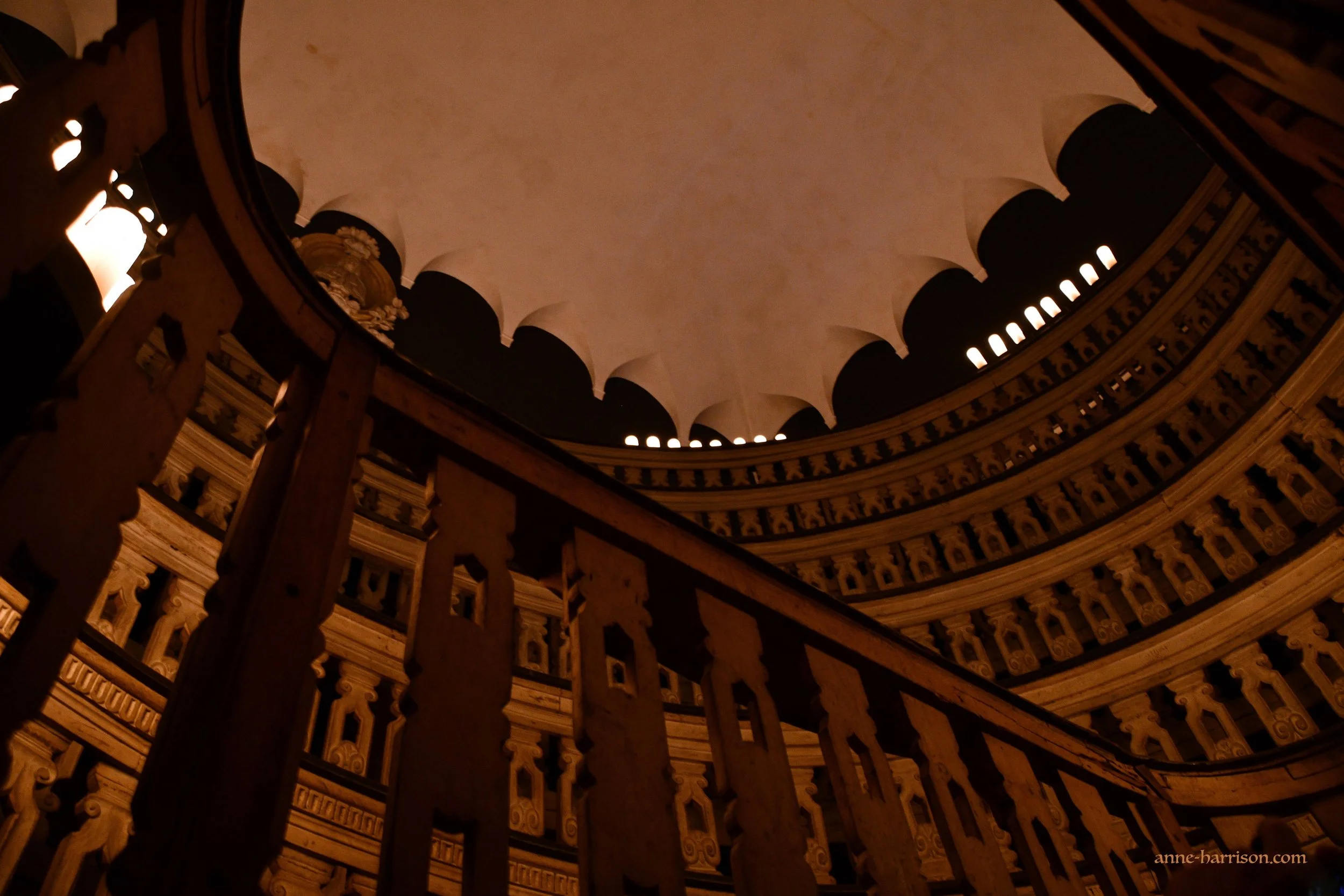
The viewing stands in Padua’s Anatomical Theatre © A. Harrison
Bologna’s Anatomical Theatre is short stroll from her main square, the Piazza Maggiore. The University of Bologna is the oldest university in continuous operation in the world, with teaching beginning around 1088 and student guilds forming by the 12th C. (By comparison, the earliest evidence of teaching at Oxford is 1096.) Copernicus studied here, and in 1237 Bettisia Gozzadini became the first women to teach at a university, lecturing in law. (Although obviously highly educated for a woman of the time there is no formal documentation of her having a degree.)
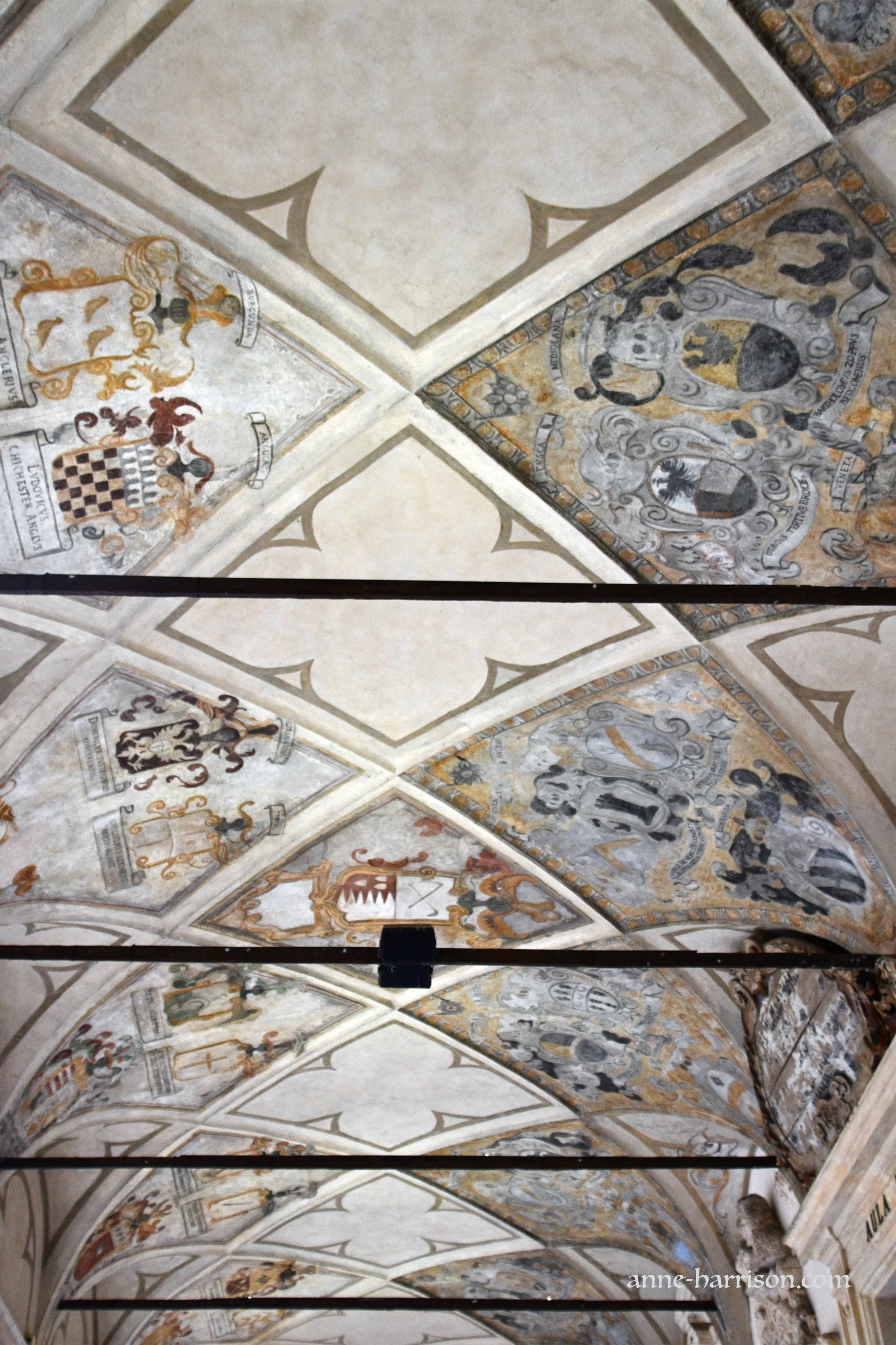
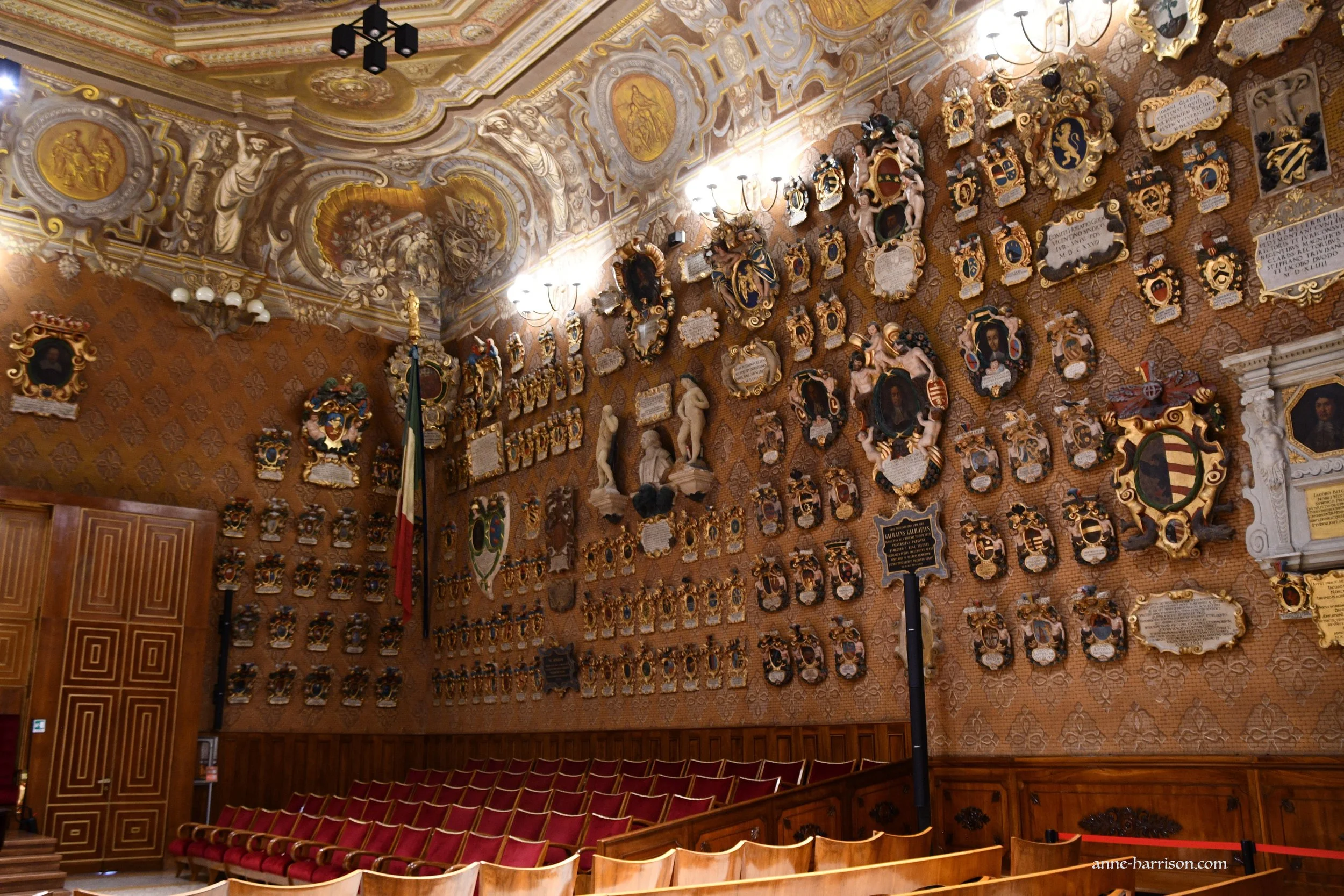
The Anatomical Theatre of Bologna is in the Palazzo dell’Archiginnasio, the seat of the university until 1803. (How I wish I’d gone to uni in a palace!). The vaulted porticos surrounding the courtyard are covered with the coats of arms of previous masters of the Stadium and students.
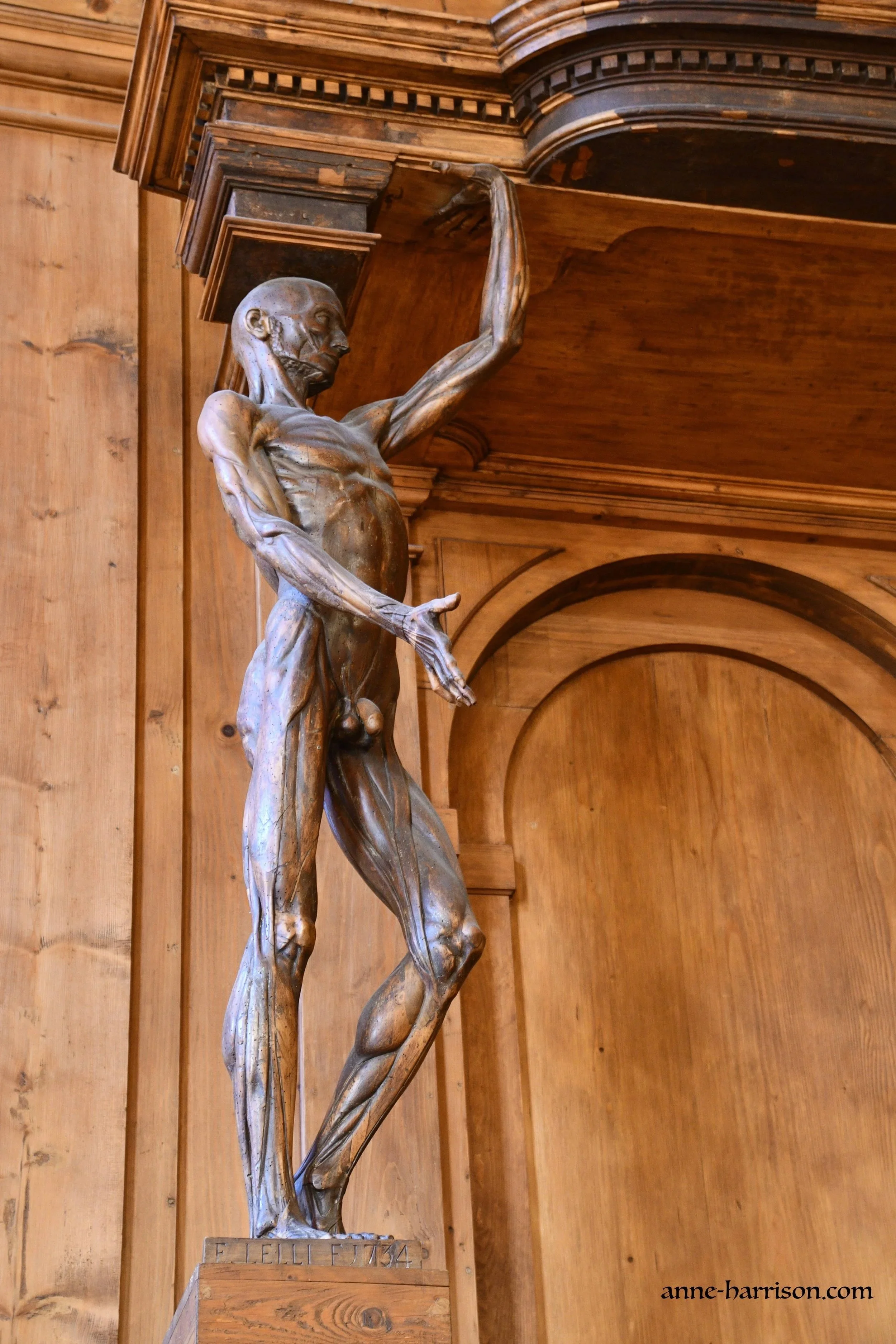
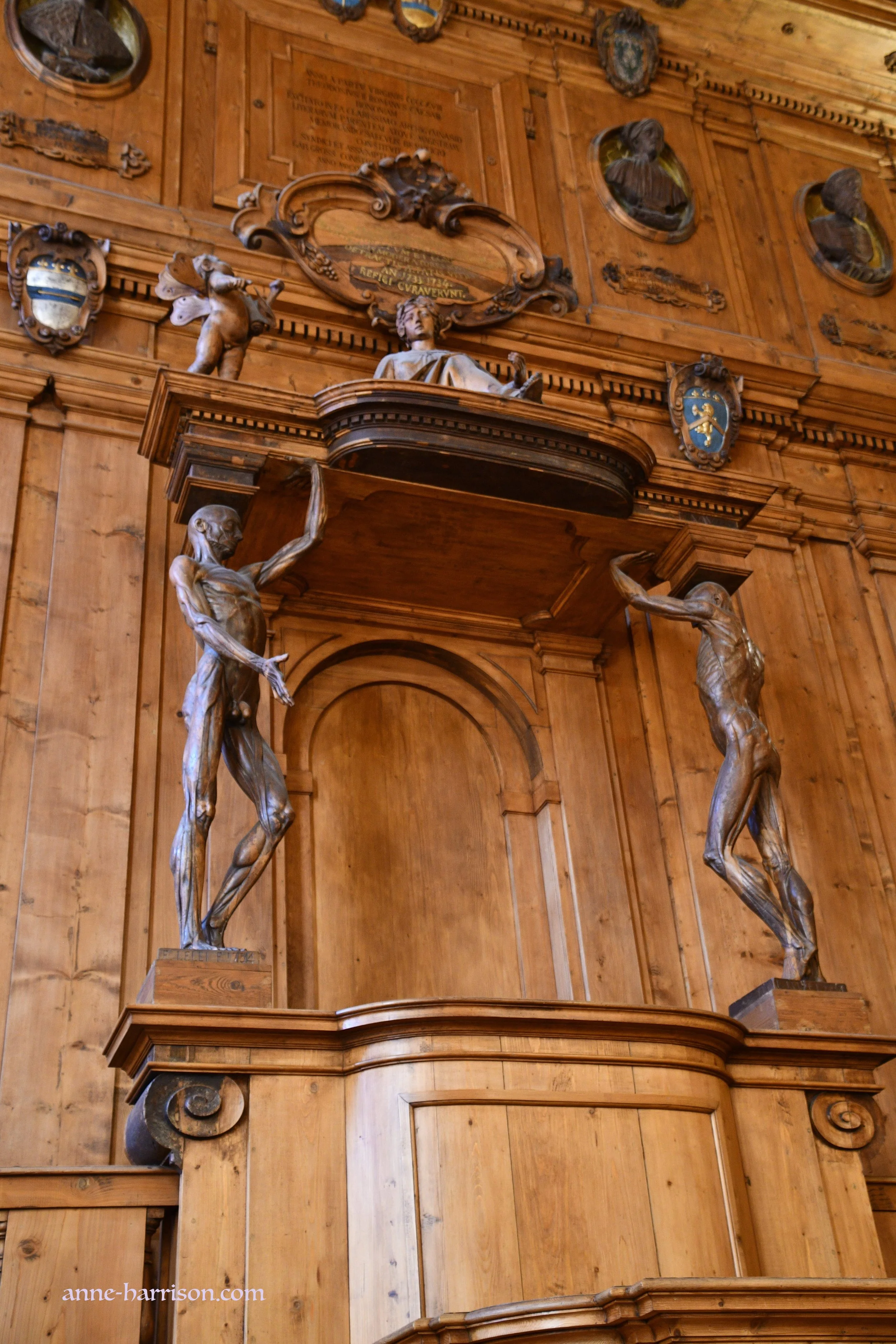
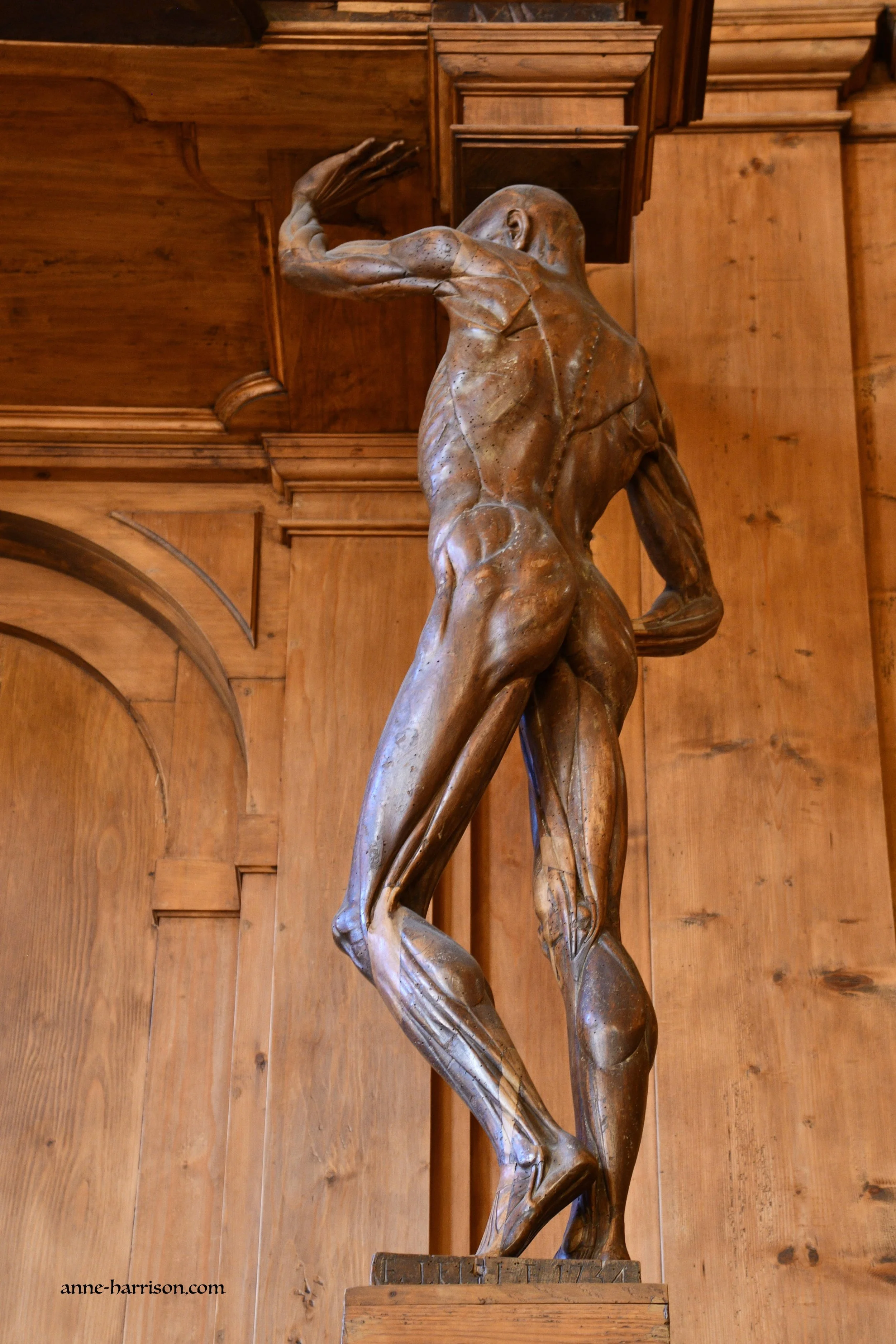
The theatre is reached by a grand staircase. In the wooden room the seats are arranged in tiers, allowing everyone a good view of the proceedings on the central table. The dissection table is of white Carrara marble, with the stand elaborately carved. The room was not only practical, but also filled with statues and art works. In the centre of the wooden ceiling is Apollo, the God of Medicine. (He was the father of Asclepius, the God of healing and physician to the gods. Career goals.)
In the niches around the room are a series of statues of famous physicians, including Gasparo Tagliacozzi, recognisable as he holds a nose in his hand; he was the first surgeon to attempt reconstructive surgery and pioneered the ‘Italian method’ of rhinoplasty. Other statues include Hippocrates, Galen (clutching a book – a first Venetian edition is on display) and Galenus, physician to Marcus Aurelius and who postulated the four humours theory of medicine.
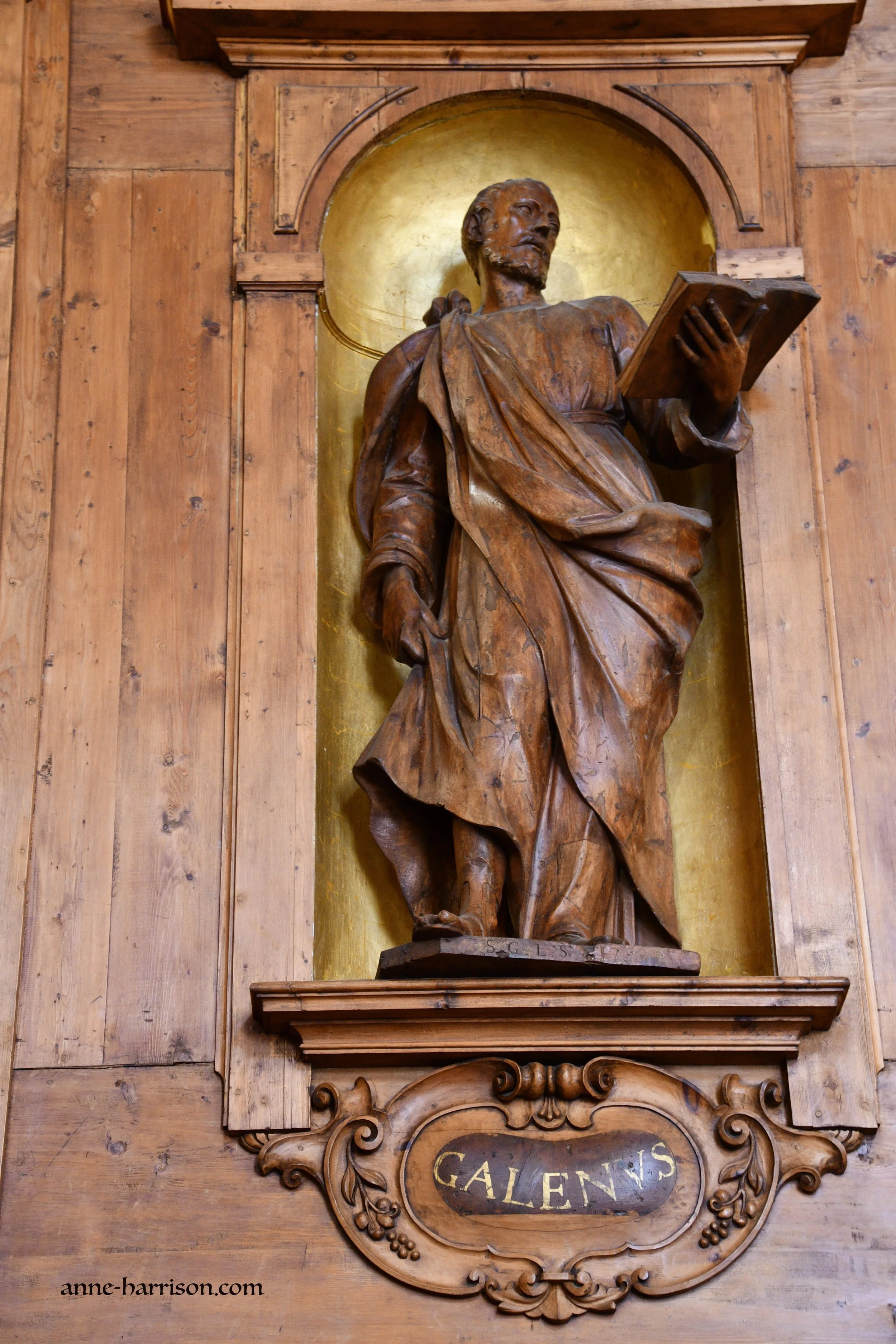
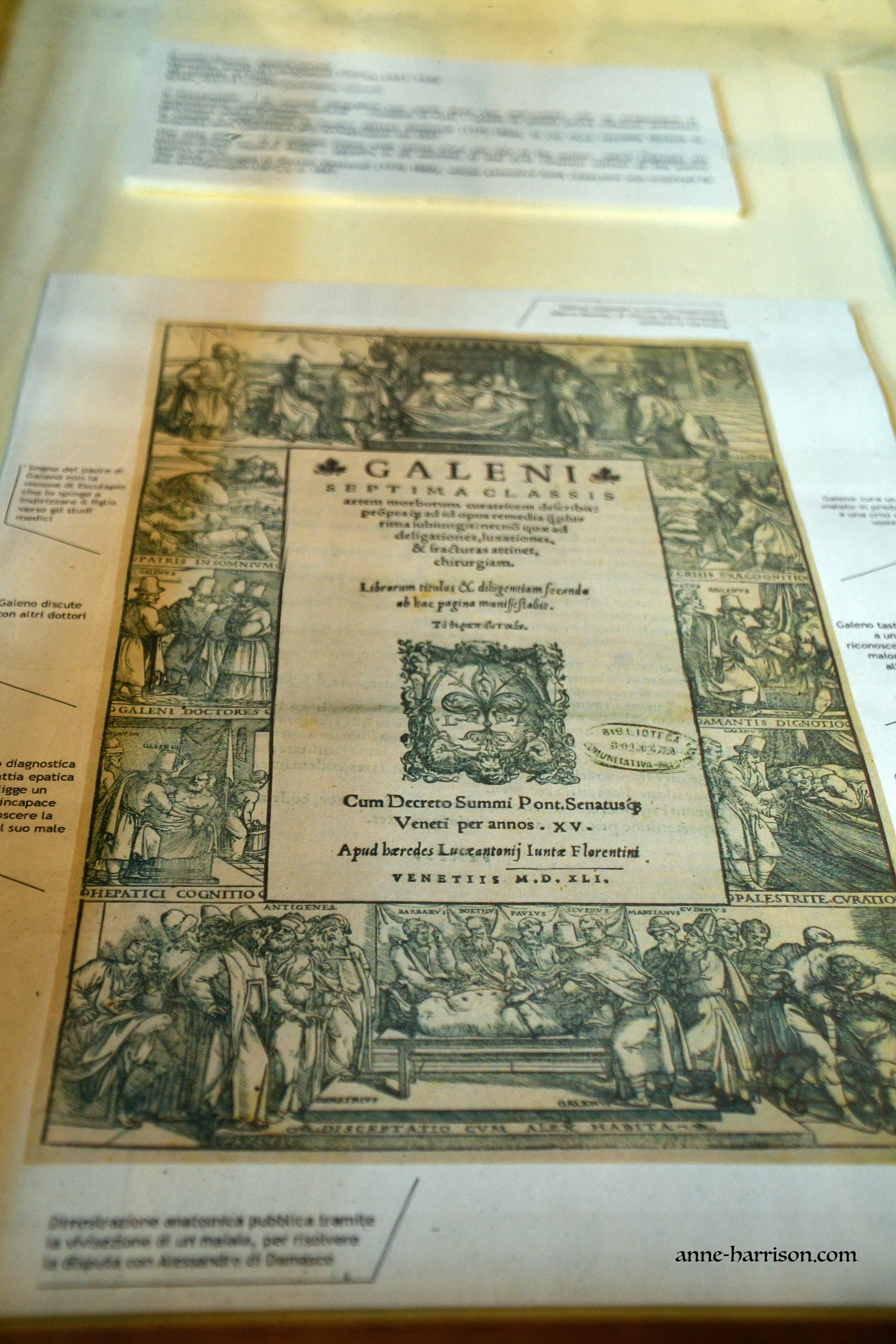
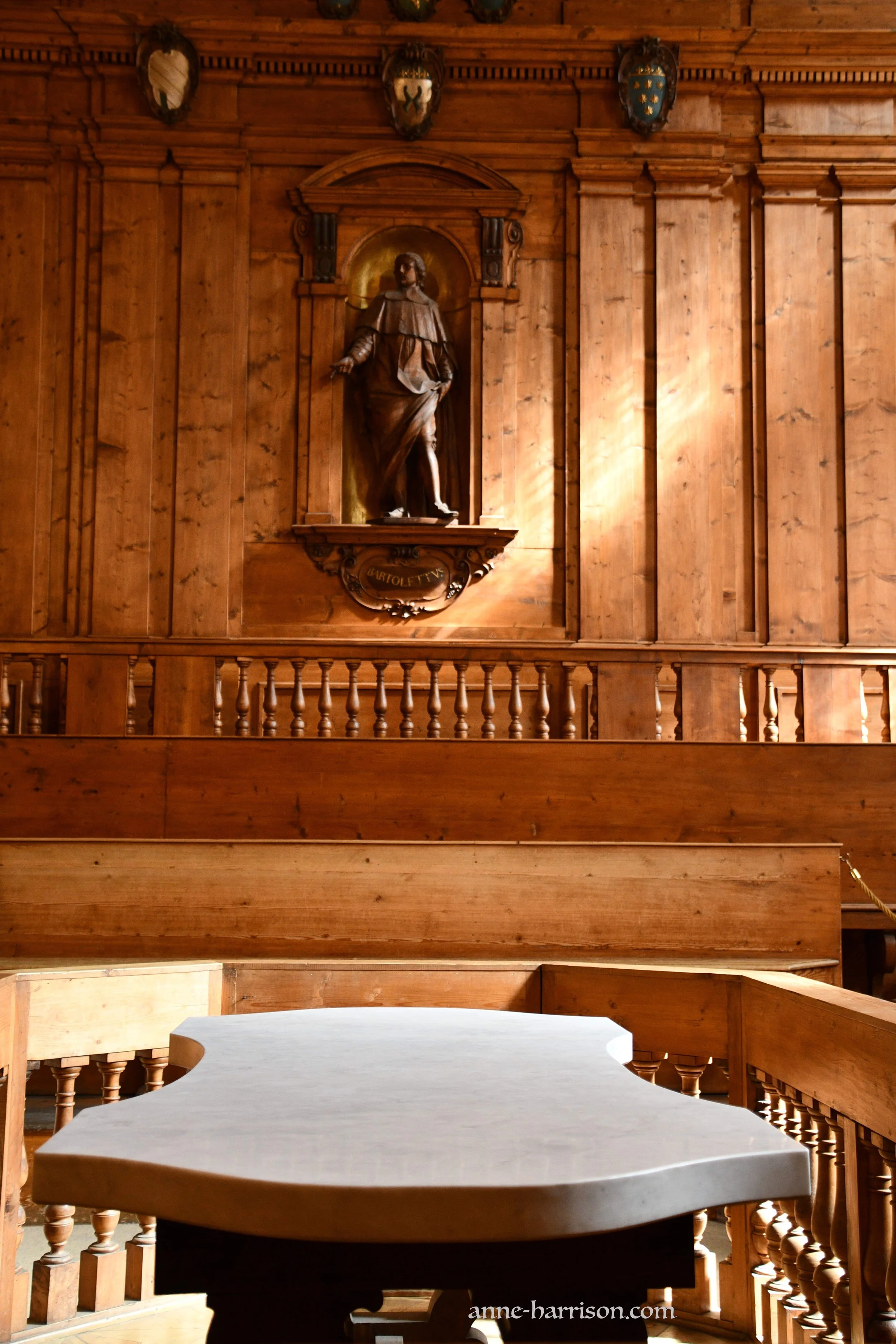
There are also two Spellati – or ‘skinned ones’ – by Ercole Lelli, a famous anatomical artist. They hold a canopy over the professor’s chair, which supports an allegorical image of Anatomy – an angel offering a woman a femur bone, as well as a manuscript rolled into a scroll.
By contrast, although Padua University dates to 1222, the Anatomical Theatre here was not built until 1594. It was, however, the world’s first permanent anatomical theatre, for by that time the study of anatomy and the active observation of dissection had become a central part of studying medicine. The Anatomical Theatre stands in the Palazzo Bo, one of Padua’s oldest (and many declare the most beautiful) buildings. Coats of arms are embedded in the walls around the courtyard. Walking up the stairs to where lectures were once given, I passed a bust of Galileo as well as the pulpit from which he once lectured.
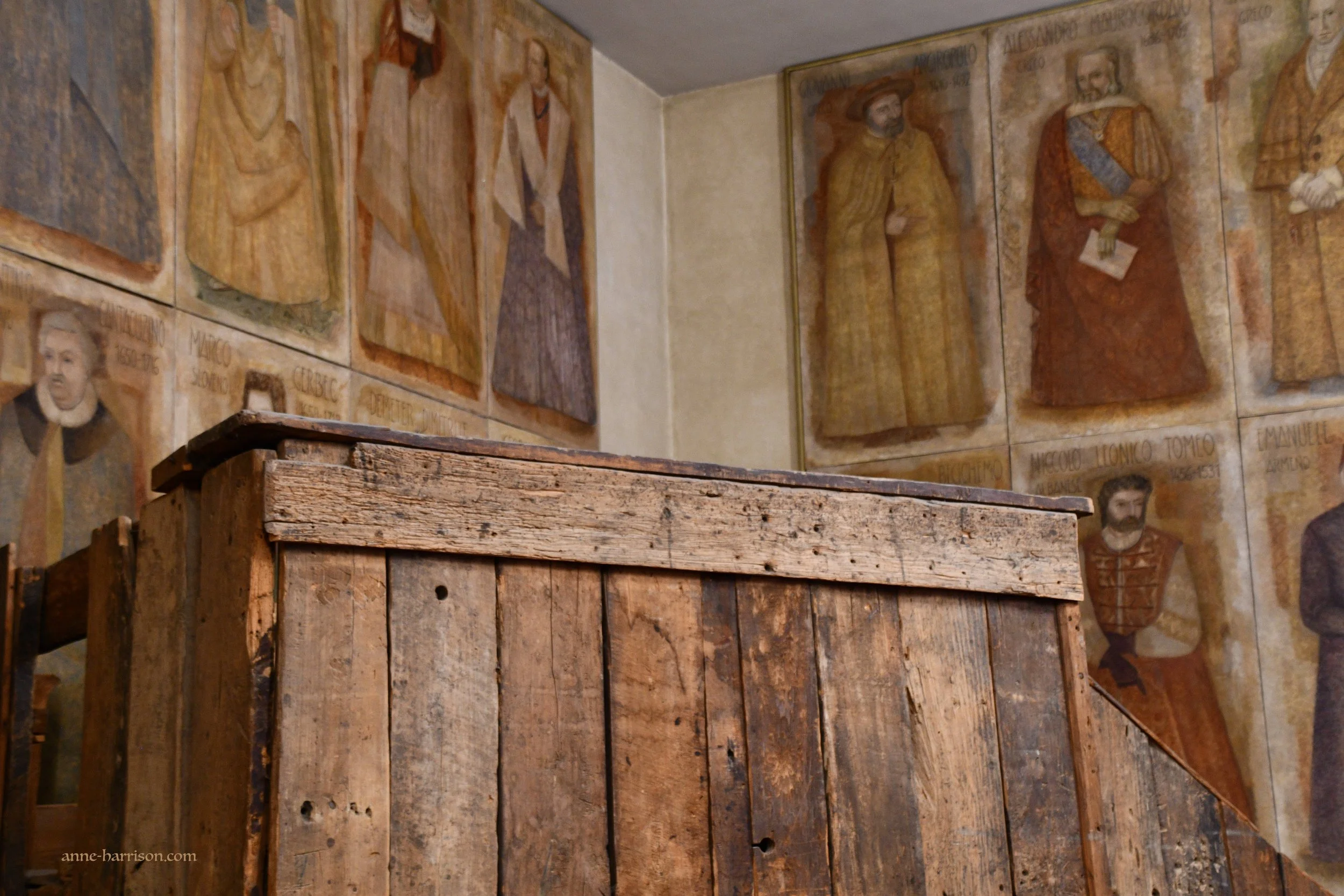
Galileo’s pulpit © A. Harrison
The first recorded dissection in Padua, however, was performed before the construction of the theatre. Pietro d’Abano (c1250 - c1315) was a lecturer in Medicine, Philosophy and Law at the University. (He had earlier studied in Constantinople, and translated some of Galen’s work form Greek to Latin.) An inscription at the entrance of the anatomy theatre – this is where the dead are pleased to help the living – marked a revolutionary philosophical shift by placing practical anatomy as the foundation of medical studies.
Anatomical dissections took place downstairs in a tiny room, yet some 250 students could crowd inside. In contrast to that in Bologna, the Anatomical Theatre is a conical space, with tiers of seats rising steeply in concentric, elliptical rings. This allowed everyone a view of the proceedings no matter how high they were sitting.
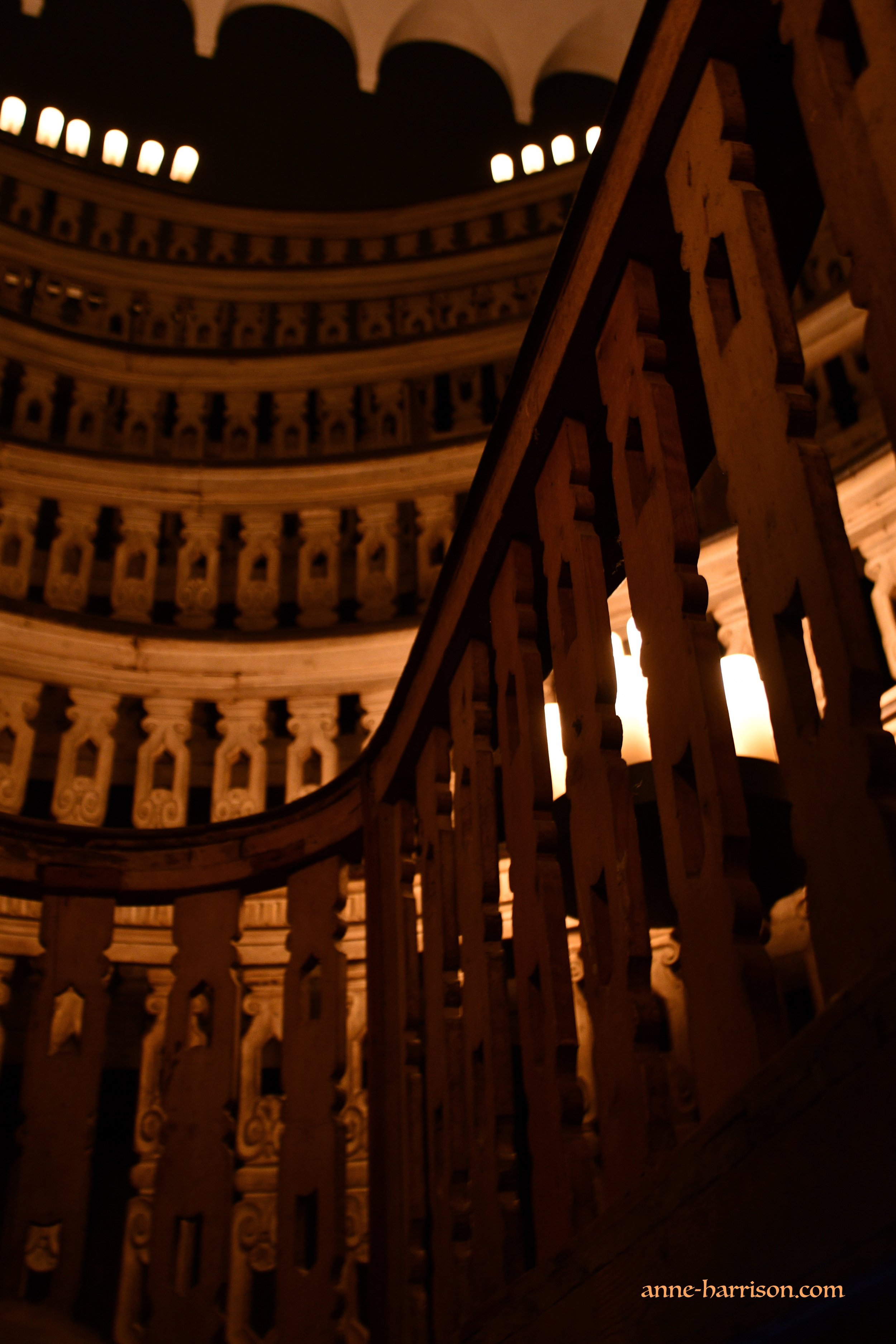
The cadavers were usually executed criminals, with candles placed around the body to improve lighting and visibility. Often the dissections were accompanied by a musician, to lighten the atmosphere (something sadly lacking in my day). Dissections took place only in the colder winter months, for each dissection lasted up to six days, and the room has neither windows nor natural ventilation.
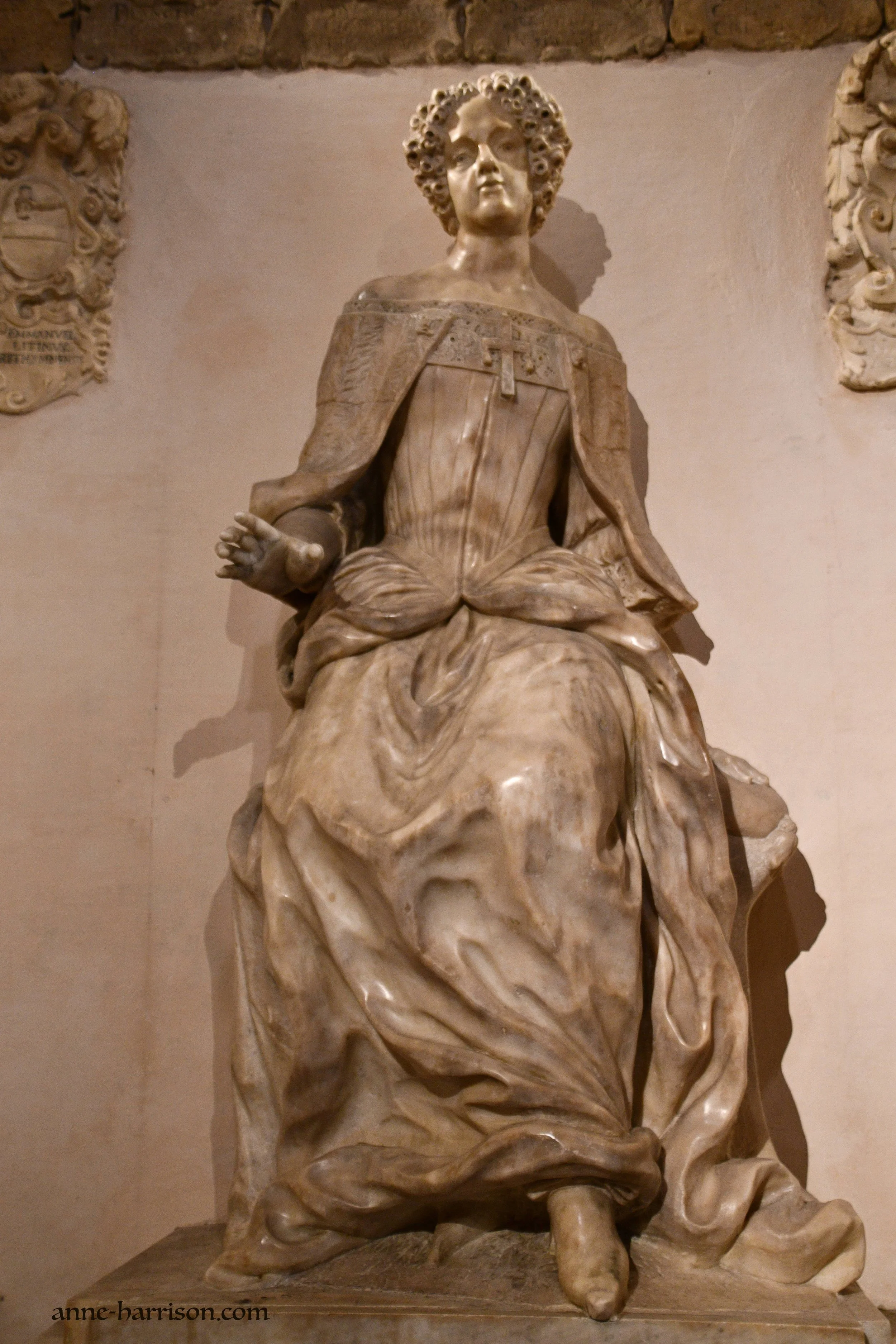
At the bottom of the main staircase is a statue of Elena Piscopia. She was the first woman to formally graduate from University, with a laurea in Philosophy in 1684. (She’d originally intended to study theology, but this was refused on the grounds of her being a woman.) After her graduation the university changed its statutes, prohibiting women from graduating. The next female doctorate was not awarded until 1732, from the University of Bologna to Laura Bassi.
A rather over-powering lecture theatre © A. Harrison
Enjoy my writing? Please subscribe here to follow my blog. Or perhaps you’d like to buy me a coffee? (Or a pony?)
If you like my photos please click either hereor on the link in my header to buy (or simply browse) my photos. Or else, please click here to buy either my poetry or novel ebooks. I even have a YouTube channel. Thank you!
Plus, this post may contain affiliate links, from which I (potentially) earn a small commission.
Some of my other blogs you may enjoy:


Exploring the history of coffee - while trying different brews around the world