
The Oltrarno, Florence
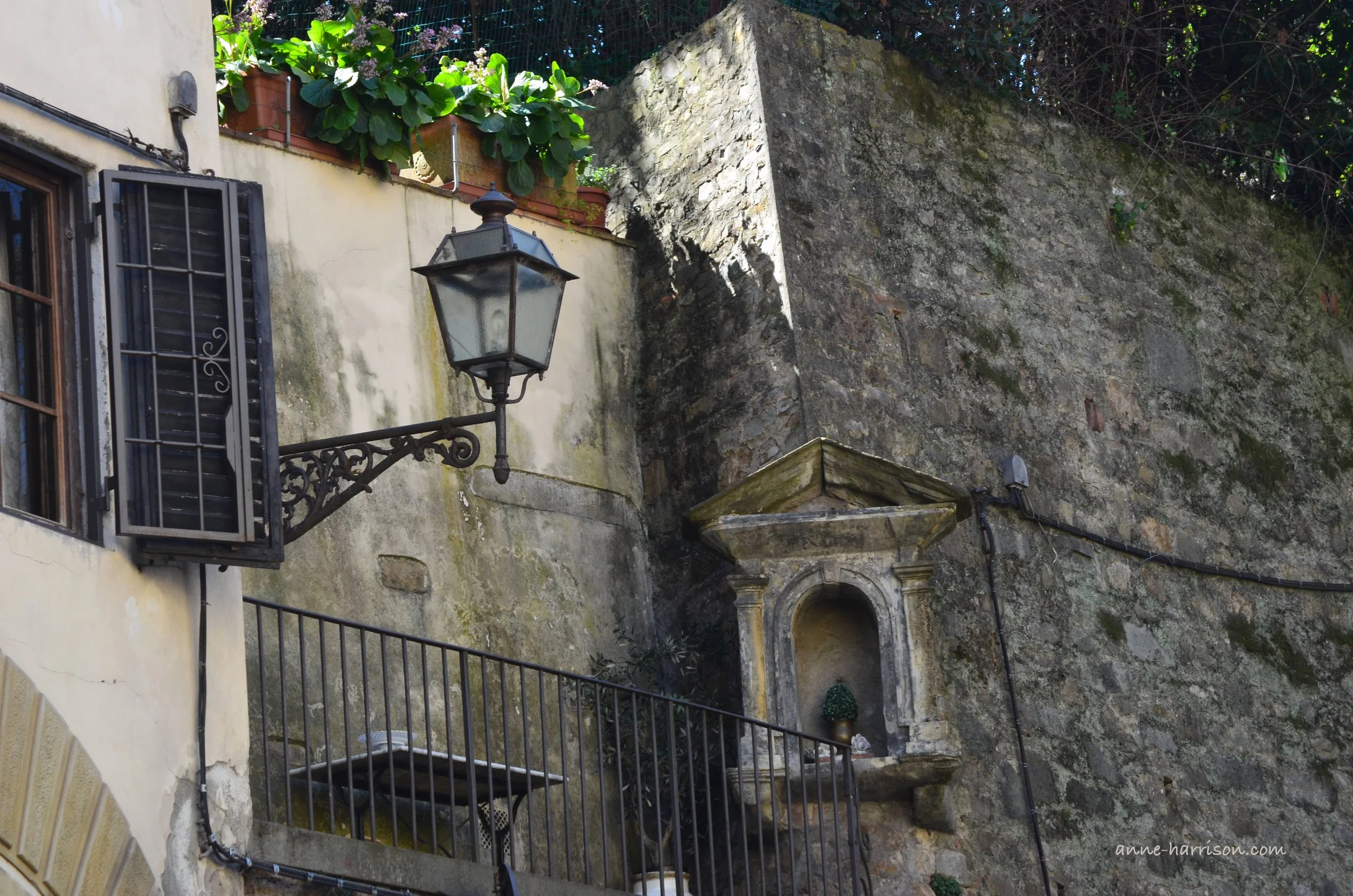
A house in a back street- how I’d love to live here! © A. Harrison
A view from the Uffizi, photographed by perhaps every tourist who passes, shows the Ponte Vecchio stretching across the Arno. Along the top of the bridge runs the Vasari corridor, winding from the Uffizi to the Pitti Palace.
One day a visit to Florence will coincide with the corridor actually being open.
From this window, should I just turn a little to the left, comes a great view over the Oltrarno. This ‘other side of the Arno’ remained unfashionable with Florentines until the Medici moved to the relative countryside of the Pitti Palace. The move was partly for Eleanor de Medici’s failing health, hoping the fresh air would prove more wholesome for her (it’s believed she suffered from TB).
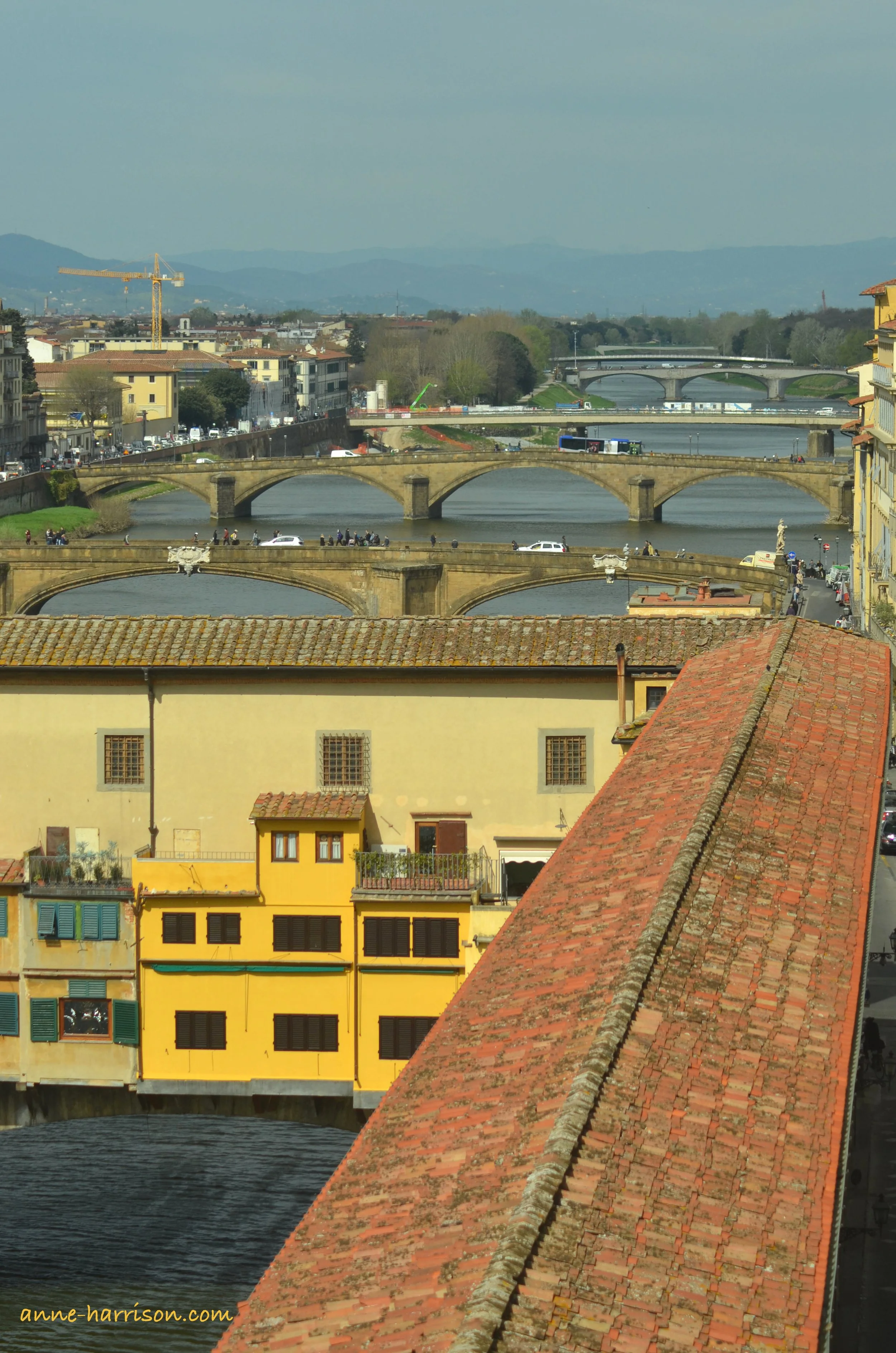
From the Ponte Vecchio the Vasari corridor sneaks its way to the Chiesa Santa Felicita. The corridor runs through the nave, which allowed the Grand Duke and his family to watch the mass unseen by the great unwashed. For mere mortals who must brave the streets, this church is but a few minutes from the bridge along the Via de’Guicciardini, the main road leading to the Pitti Palace.
Syrian-Greek merchants settled in this areasome time in the 2nd C AD , bringing Christianity with them. A church has existed on this site since the 4th C, making it perhaps the second oldest church in Florence. Partly designed by Brunelleschi, Santa Felicita houses some masterpieces of 16th C Florentine paiting, including works by Taddeo Gaddi and Neri di Bicci.
Facing the church, the Costa di San Giorgio runs off tho the left. Galileo once lived at No.9 – it’s a bit of a walk, but the road ends at the Porta San Giorgo, the oldest of Floence’s surviving gates. Having made it this far unscathed, one of the most beautiful and unspoilt churches in Tuscany is a short but steep walk away: San Miniato al Monte. Its classic façade of green and white marble has watched over Florence since 1018.
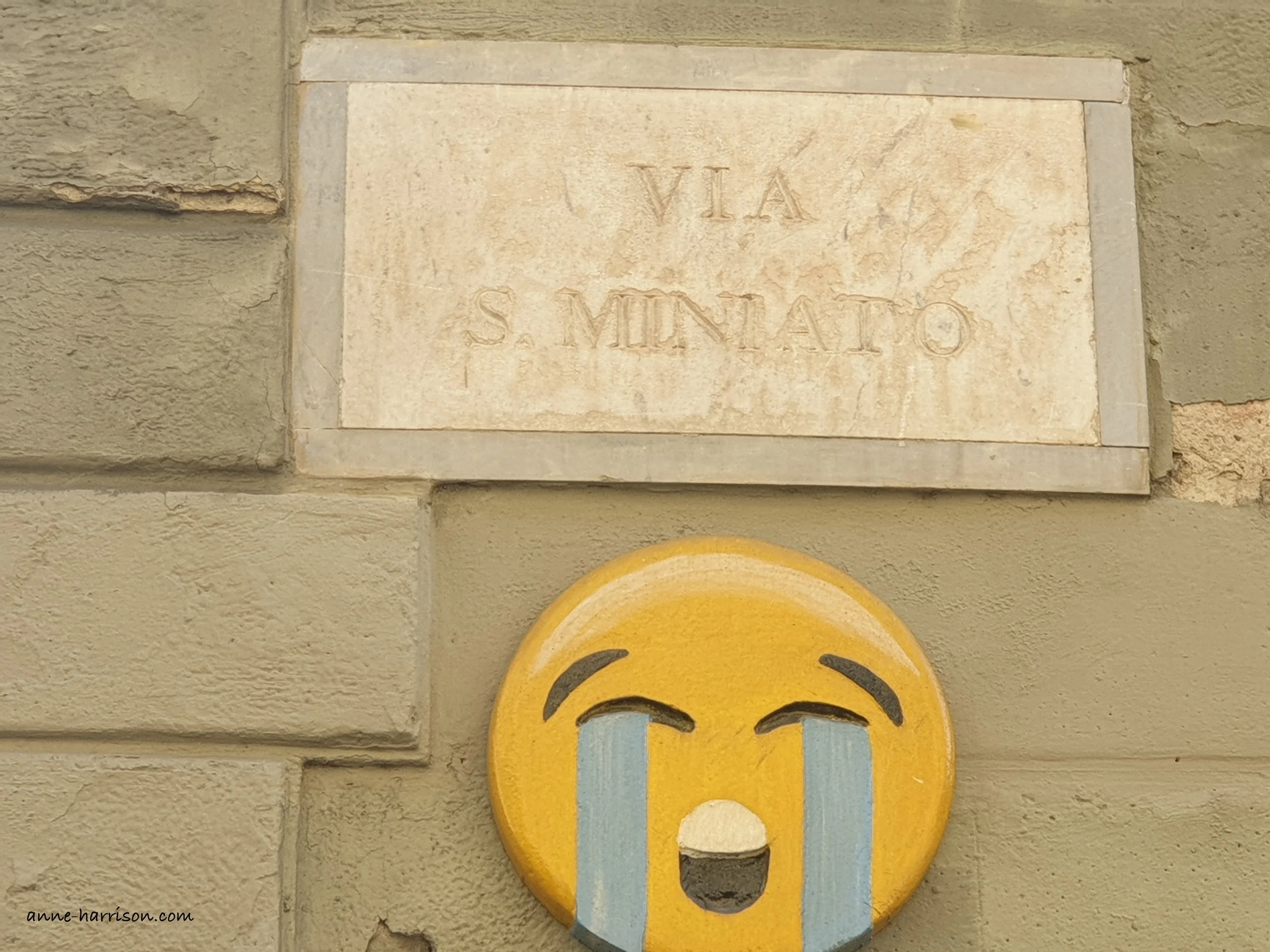
The sign says it all about the walk ahead © A. Harrison
Otherwise, when leaving Sante Fleicite, walk the other way for a fascinating wander through backstreets of the Oltrnono. The further the streets lead from the tourist tread, the more they are filled with artisan shops and work rooms. Paper makers, jewellers, cobblers, art restorers, painters, sculptors - the variety seems endless. (Still the Via de’ Guicciardini, which runs from the Ponte Vecchio to the Palace, is filled with some amazing places to shop, or even to stare longingly through the windows.)
On reaching the streets near the Spirito Santo, prices drop and workshops abound. Trattorias are filled with locals and students, and I stumbled upon a fantastic market outside the church itself. The buildings are medieval, but lived and worked in, much as they were in the time of Dante. A perfect place to stand at a bar for a coffee, or maybe sit wth a glass of aperol sprtitz and some crostini, and watch the medieval world go by.
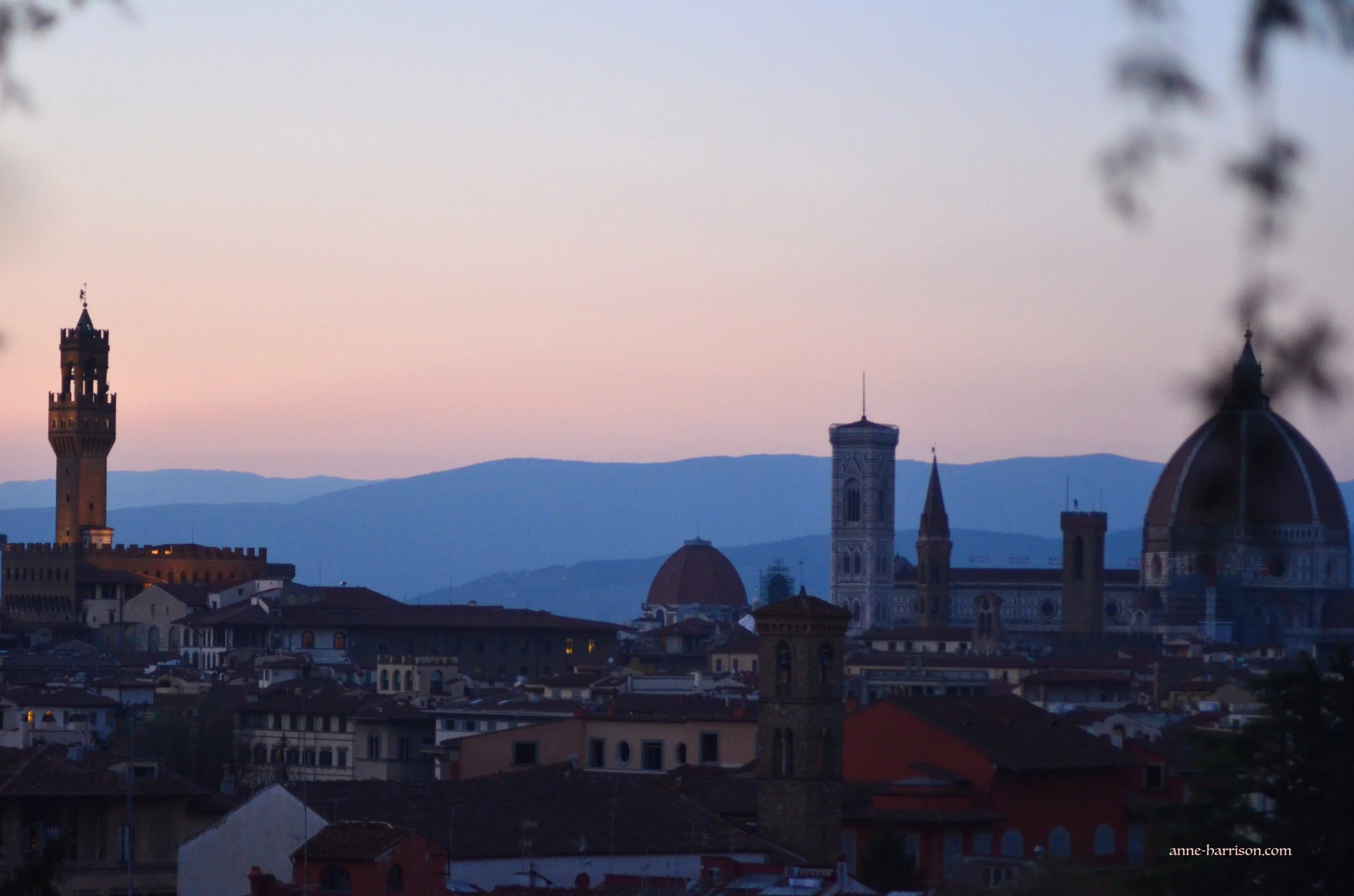
Sunset over Florence, taken form the Oltrarno © A. Harrison
The Literary Traveller
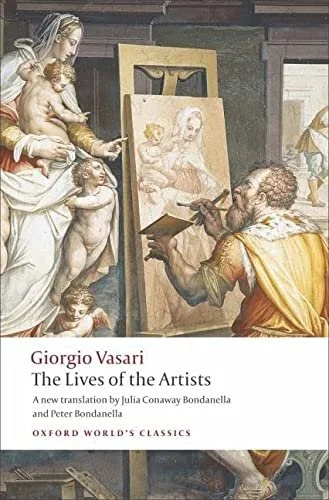
Vasari’s The Lives of the Artists is credited as the first work of art history.
A contemporary of Michelangelo (whose talents, according to Vasari, including making the world's best snowmen), Vasari was himself a famed artist and architect.
Although biased towards the Florentine painters (in the first printing Titan did not rate a mention), Vasari’s work remains an amazing window into the Renaissance world. Indeed, Vasari was the first to use the word Renaissance in print.
Vasari also peppers his works with delightful bits of gossips and observations of the artistic life:
(these) rough sketches, which are born in an instant in the heat of inspiration, express the idea of their author in a few strokes, while on the other hand too much effort and diligence sometimes sap the vitality and powers of those who never know when to leave off.
The book is perfect for reading after a day of exploring the unending museum and art gallery which is Florence.
Enjoy my writing? Please subscribe here to follow my blog. Or perhaps you’d like to buy me a coffee? (Or a pony?)
If you like my photos please click either here or on the link in my header to buy (or simply browse) my photos. Or else, please click here to buy either my poetry or novel ebooks. I even have a YouTube channel. Thank you!
Plus, this post may contain affiliate links, from which I (potentially) earn a small commission.
