
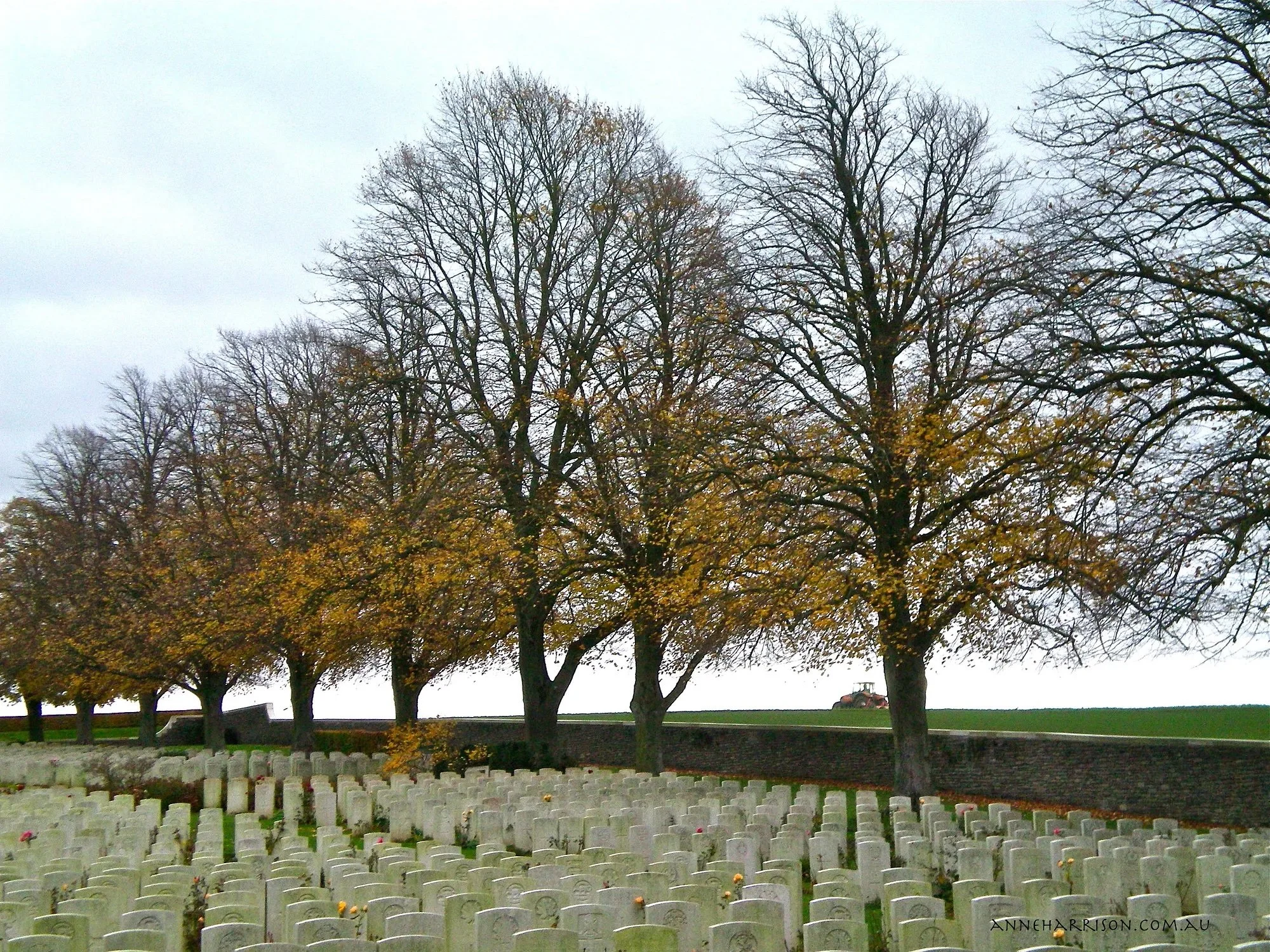
Too many graves © A. Harrison
On the 8th September 1916, my great-uncle died from wounds sustained during the Battle of the Somme. Second Lieutenant Henry Byron, 1st/5th Battalion, South Lancashire Regiment, was twenty-two. His brother — my grandfather — enlisted at the age of fourteen, had a kidney shot out in Ypres, contracted TB while convalescing, and was shipped home with six months to live.
Deciding escape was the only way to survive the miasmas of war-time Liverpool, he worked his way to Australia, jumped shipped, and died at the age of ninety two. He could never bring himself to return to France and visit his beloved brother’s grave — my daughter and I were the first in the family to do so.
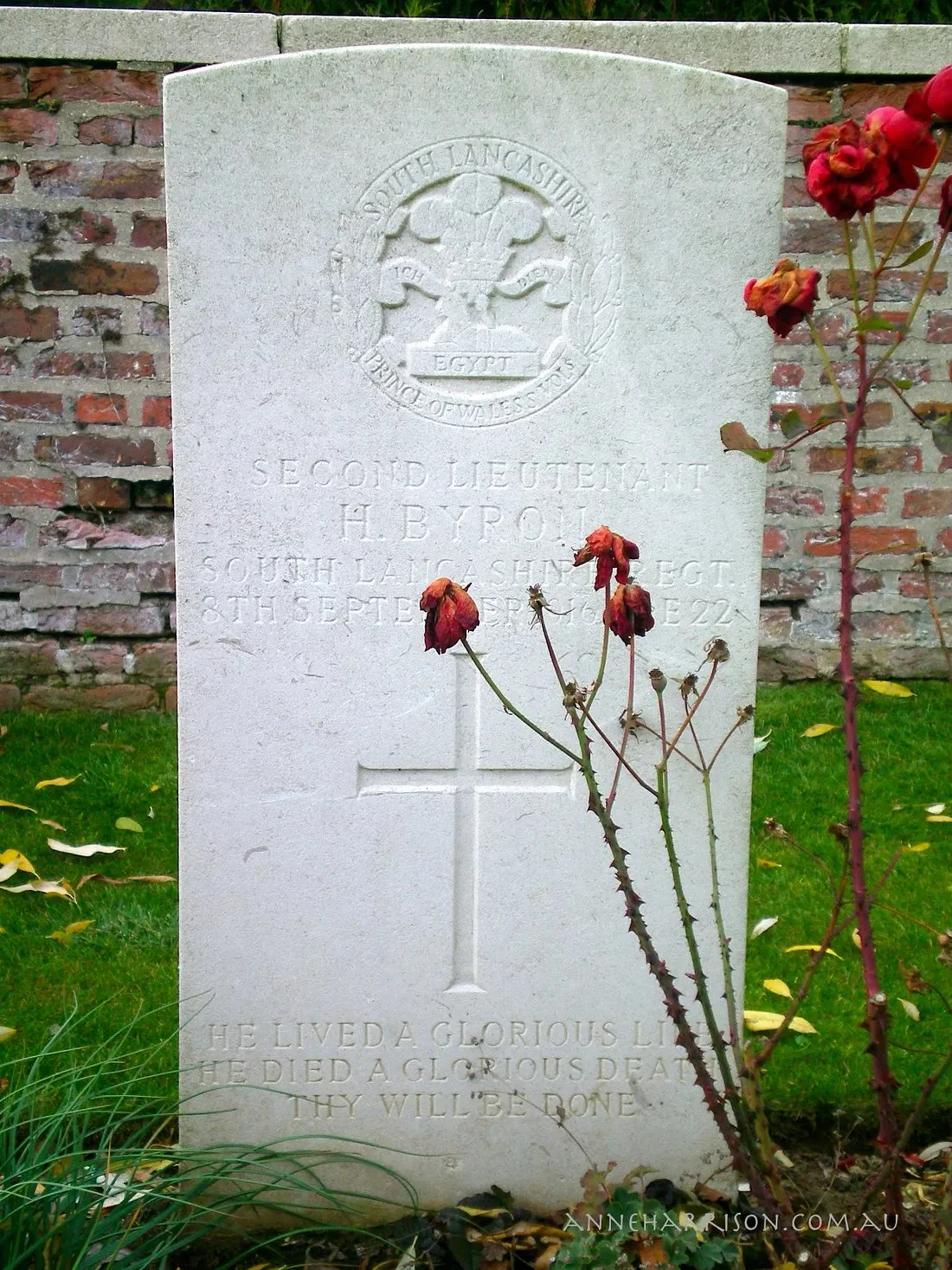
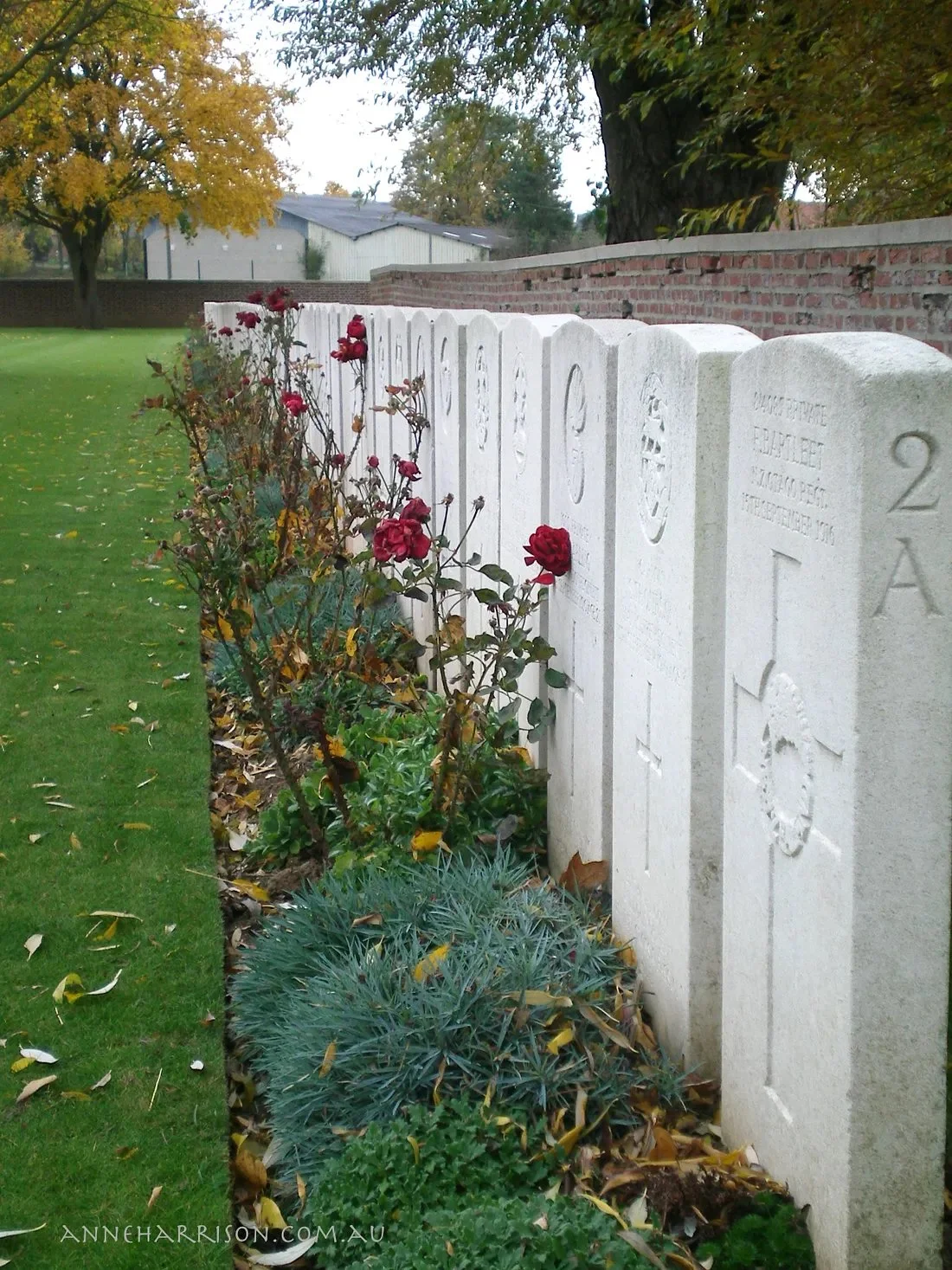
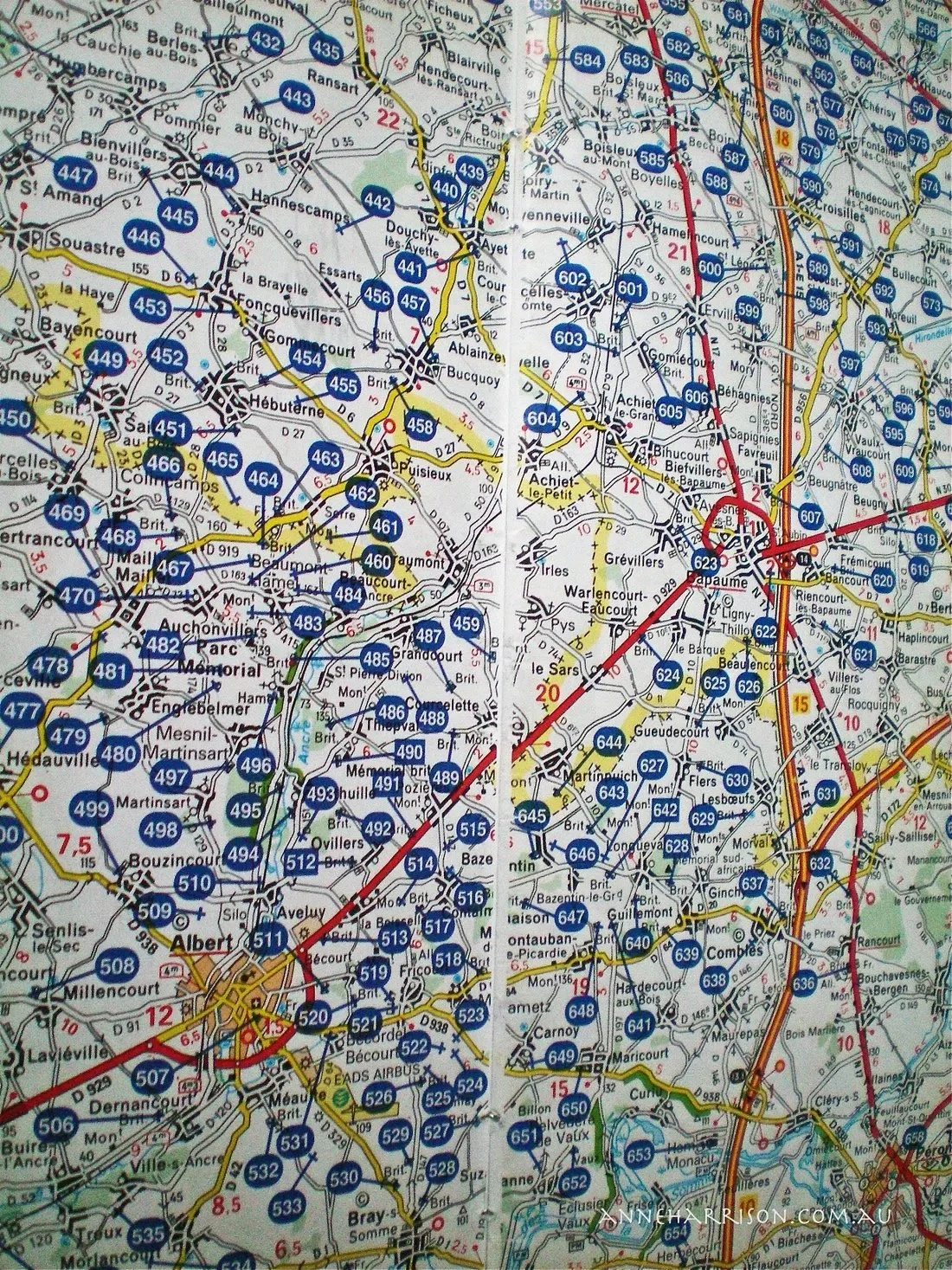
In contrast to the American Army, who built large cemeteries for their war dead, the Commonwealth Forces tried to bury their soldiers near where they fell. Consequently, this area of France is dotted with cemeteries — a glance at a map is littered with the blue dots, each one representing a war cemetery. Uncle Harry rests in Dartmoor Cemetery, Becordel-Becourt, which has only 768 (762 identified) graves, every one still immaculately cared for.
The countryside in this part of France is a maze of small lanes with no road signs, and many places barely rate a mention on the map. Most directions, it seems, are given by the name of a local farm (or where a local farm used to be!)
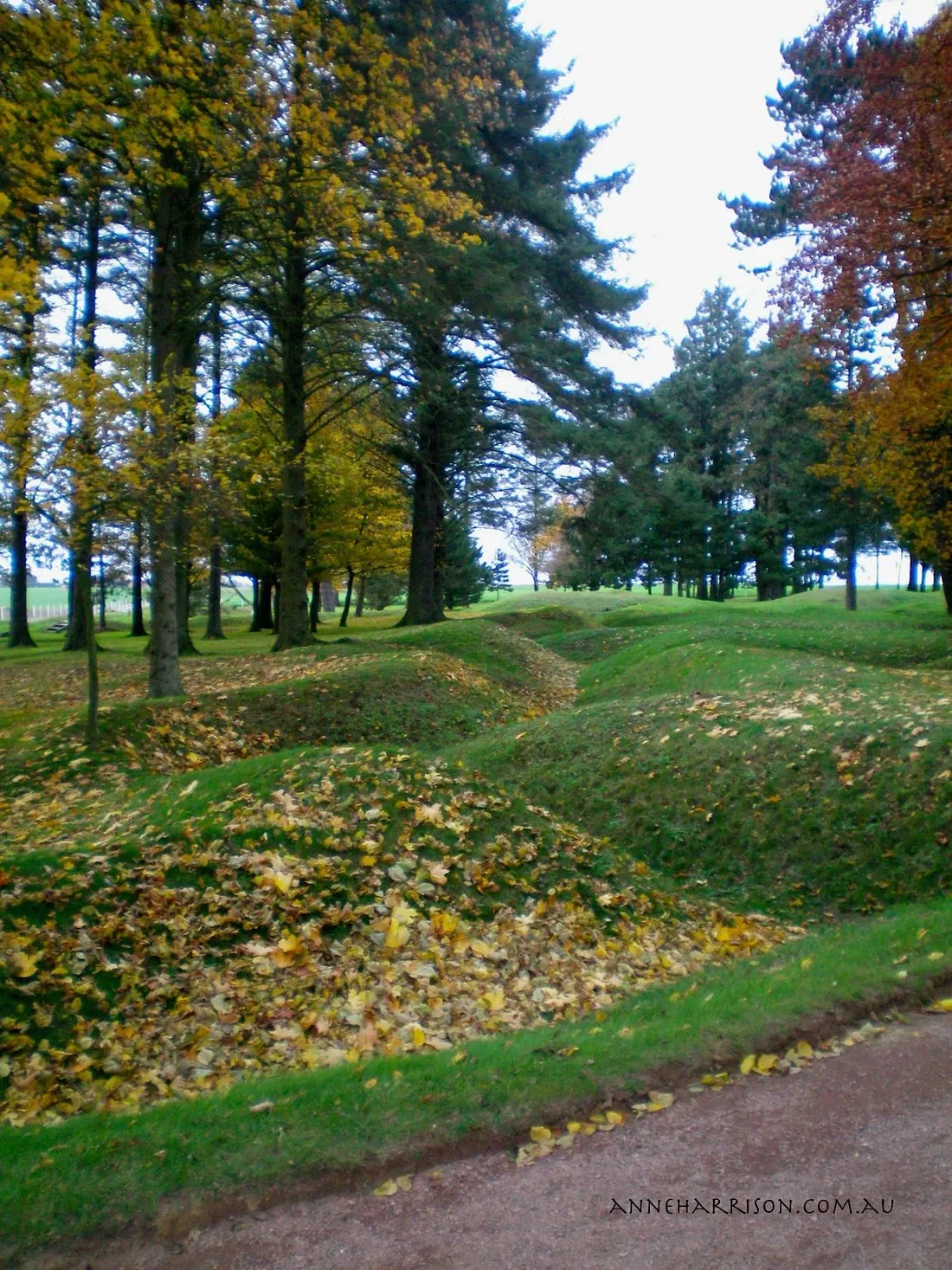
It’s impossible to drive through this part of France without seeing the devastation — and futility — still caused by a war which took place over 100 years ago. I came across front-line trenches, where barbed wire still marking the entrance to no-man’s land. The heavy clay soil caked my shows as I walked, and the land quickly becomes a quagmire after rain. I found it haunting simply walking through the trenches, although with the passage of time they have become much shallower than when first dug.
They were also incredibly close to one another, close enough to see each other’s faces across no man’s land. Poles for supporting barbed wire still stand drunkenly across the field. Initially they were hit into the ground with a hammer — later models were screwed in, for the sound of a hammer was enough to encourage a sniper shot in the dark. Live ammunition continues to be unearthed in the fields, and we passed a farm where the wall is entirely built of mines.
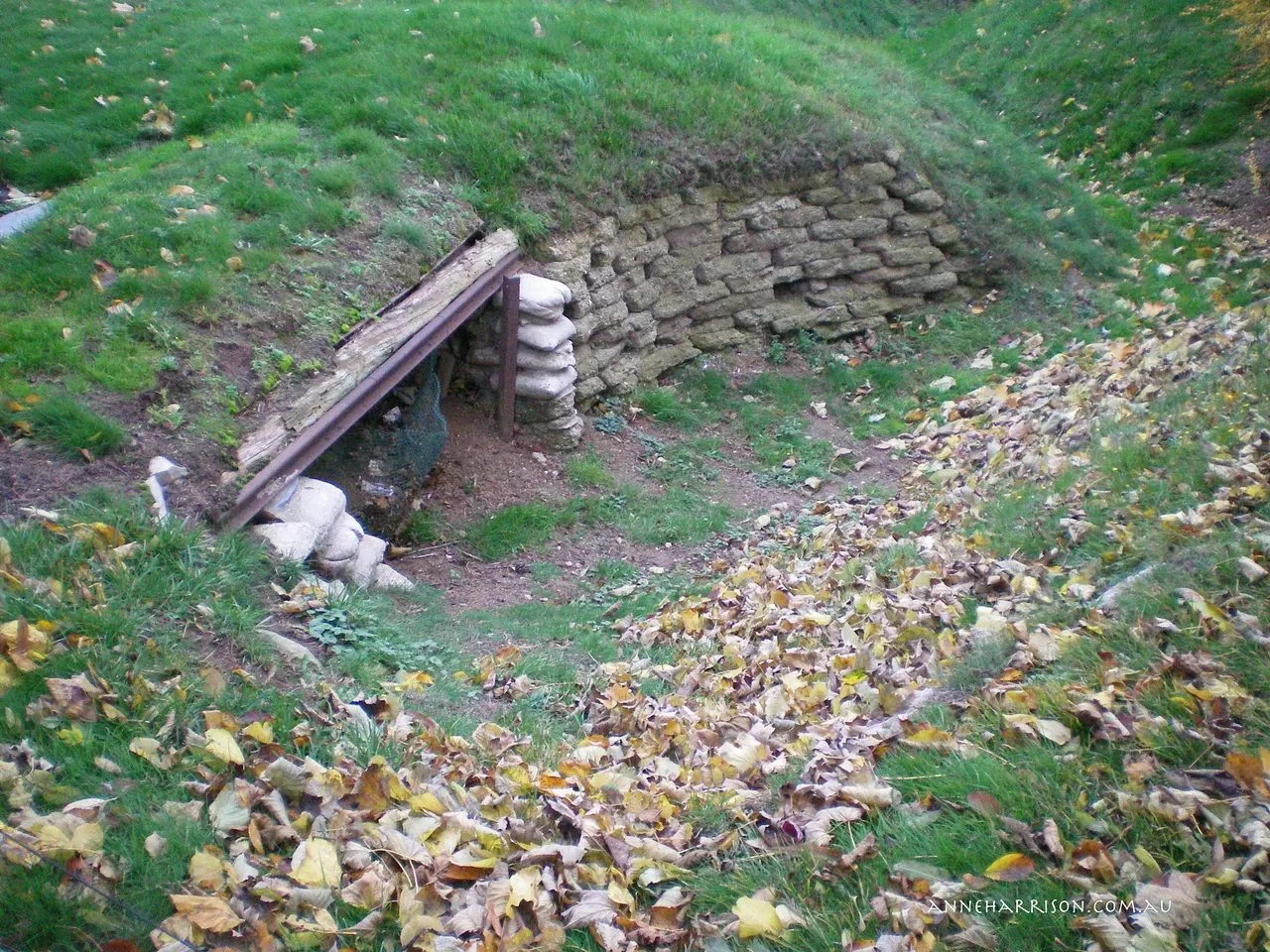
A remaining dug-out © A. Harrison
Visiting so many sites and memorials; driving past cemetery after cemetery, and walking through the adjacent memorials, the sheer number of men who died during WWI becomes mind-numbing. Viewed from the luxury of future knowledge, and by one who lives in a country which has never seen war, I fail to understand how the generals of both side kept going, sending their men to meaningless slaughter.
After the war, the school in the town of Villers-Bretonneux was rebuilt with donations from children in Victoria, and above every blackboard are the words N’oublions jamais l’Australie — Never forget Australia. After being captured by the Germans in WWI’s first tank battle, Villers-Bretonneux was liberated by Australian forces on 24th April 1918. The village still celebrates ANZAC Day (April 25th, a national holiday in Australia and New Zealand which remembers the Gallipoli landings) and has streets such as Rue de Melbourne and Rue de Kangaroo.
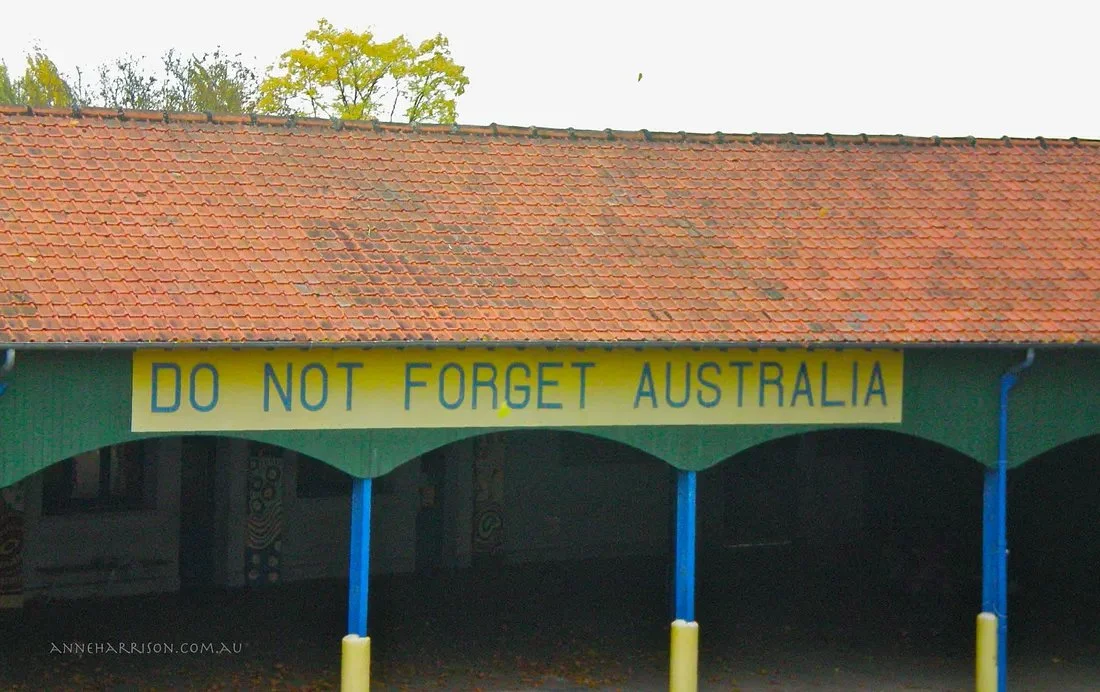
The school playground in Villers-Bretonneux © A. Harrison
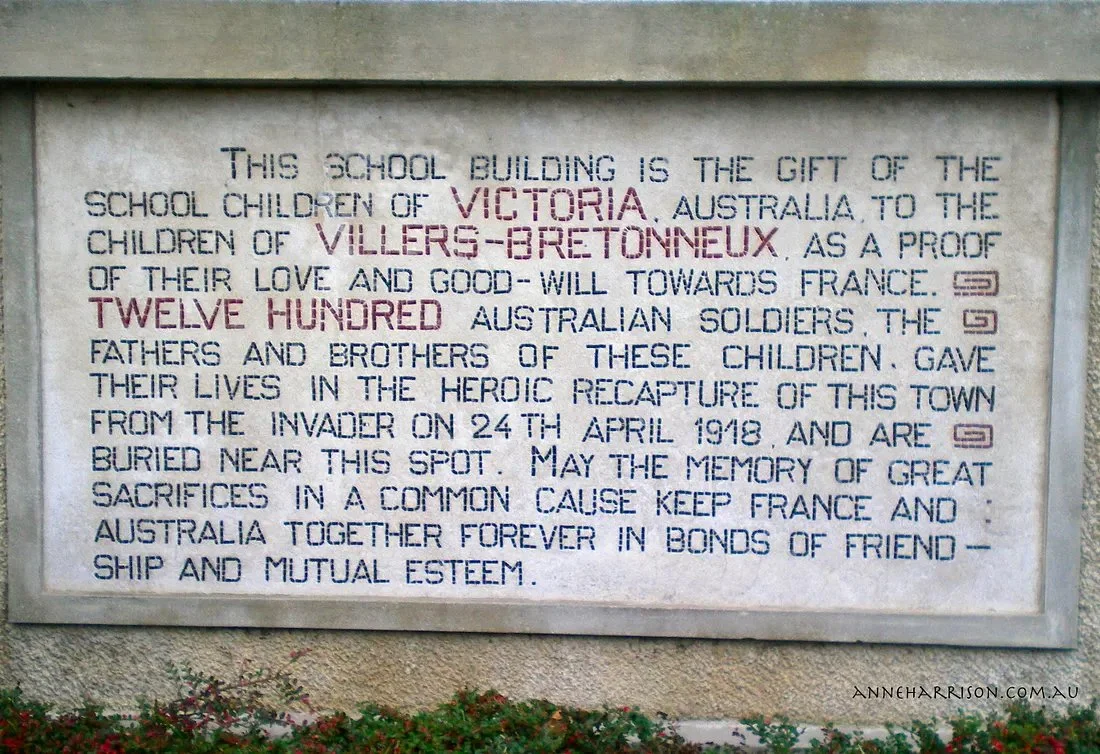
On unveiling a memorial in 1919, the mayor of Villers-Bretonneux expressed:
… a desire to thank the valorous Australian Armies, who with the spontaneous enthusiasm and characteristic dash of their race, in a few hours drove out an enemy ten times their number…Soldiers of Australia, whose brothers lie here in French soil, be assured that your memory will always be kept alive, and that the burial places of your dead will always be respected and cared for.
Surrounded by fields, overlooked by most tourists, Dartmoor Cemetery is now a peaceful spot for these soldiers to sleep, for there are so many cemeteries, and so many memorials to the War To End All Wars.
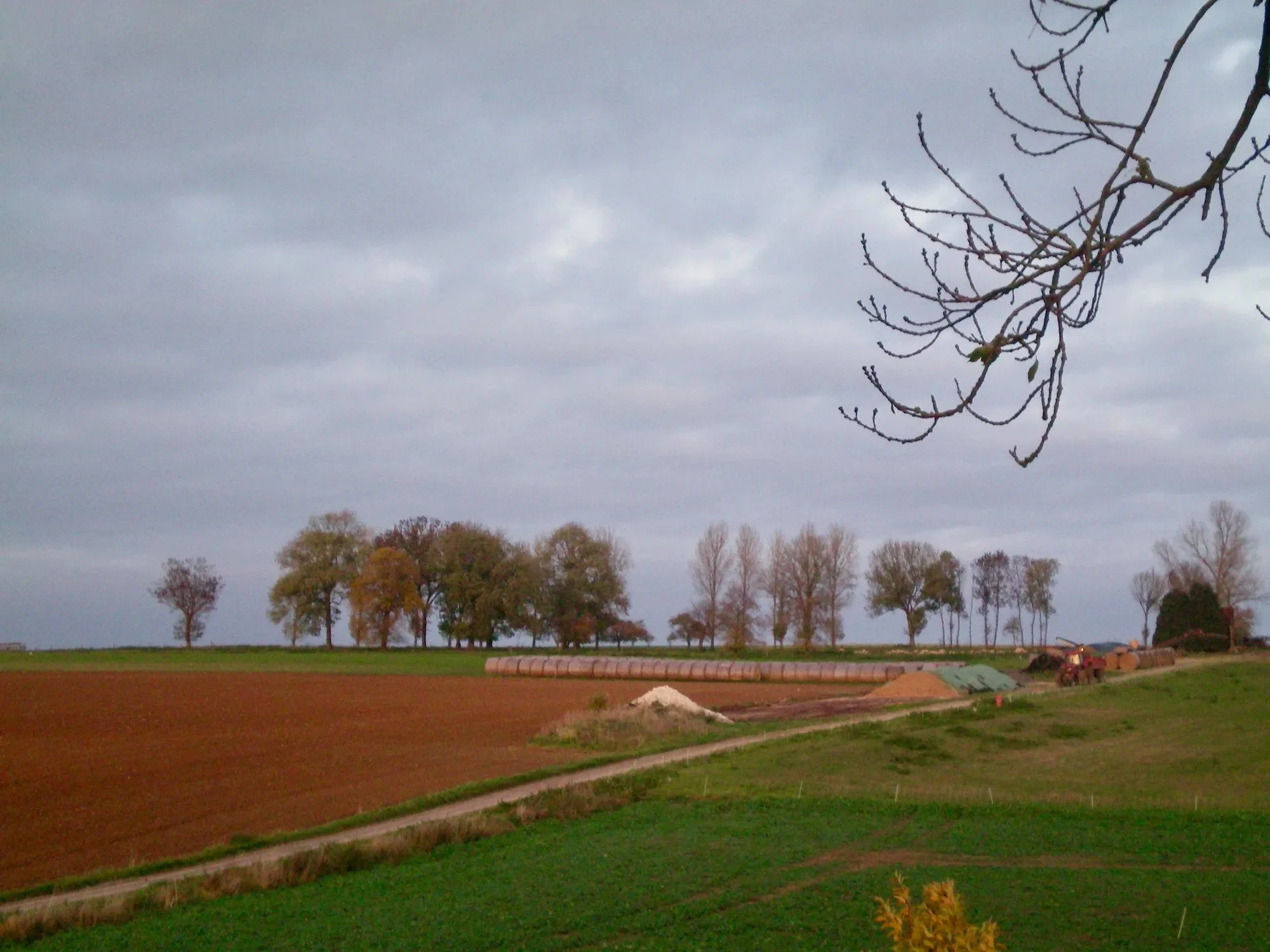
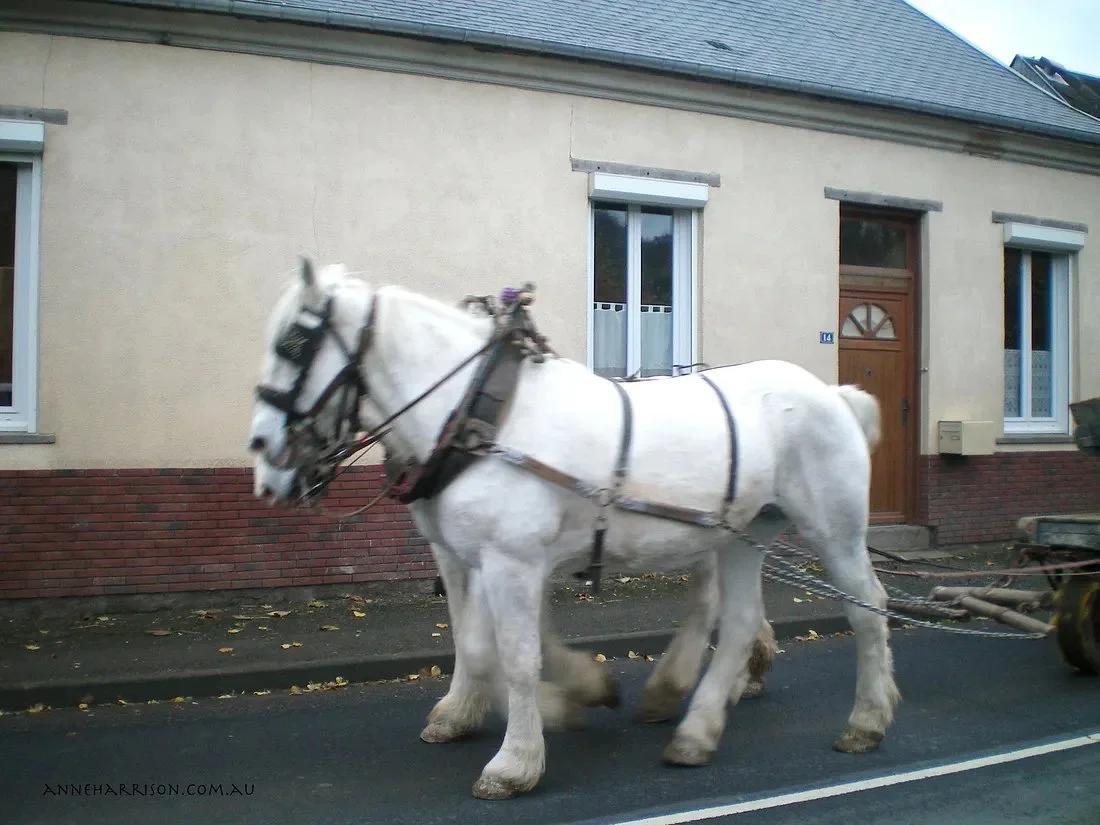
The enduring image of the French countryside © A. Harrison
The Literary Traveller – a suggestion:
While travelling through this part of France may I suggest reading e.e. cummings The Enormous Room, an autobiographical tale of the poet’s time after volunteering for the French Medical Corp then being arrested as a traitor after a friend wrote a letter talking of ‘war weariness’ Please click here for my review.
Some of My Other Blogs You May Enjoy:


Enjoy my writing? Please subscribe here to follow my blog. Or perhaps you’d like to buy me a coffee? (Or a pony?)
If you like my photos please click either here or on the link in my header to buy (or simply browse) my photos. Or else, please click here to buy either my poetry or novel ebooks. I even have a YouTube channel. Thank you!
Plus, this post may contain affiliate links, from which I (potentially) earn a small commission.

At the age of 22, my great-uncle died from wounds sustained during the Battle of the Somme. He now rests in Dartmoor Cemetery, Becordel-Becourt, which has only 768 (762 identified) Allied graves, every one still immaculately cared for.