
From A Paris Balcony - by Ernest Demnit
My Review
From A Paris Balcony - what a delightful title! How could I resist? How could I resist?
I’m not sure where I bought this book; wherever I go I frequent second hand bookshops, stalls at markets, op-shops; anywhere that offers something interesting to browse. The unadorned cover called to me, and I paid all of $1.00.
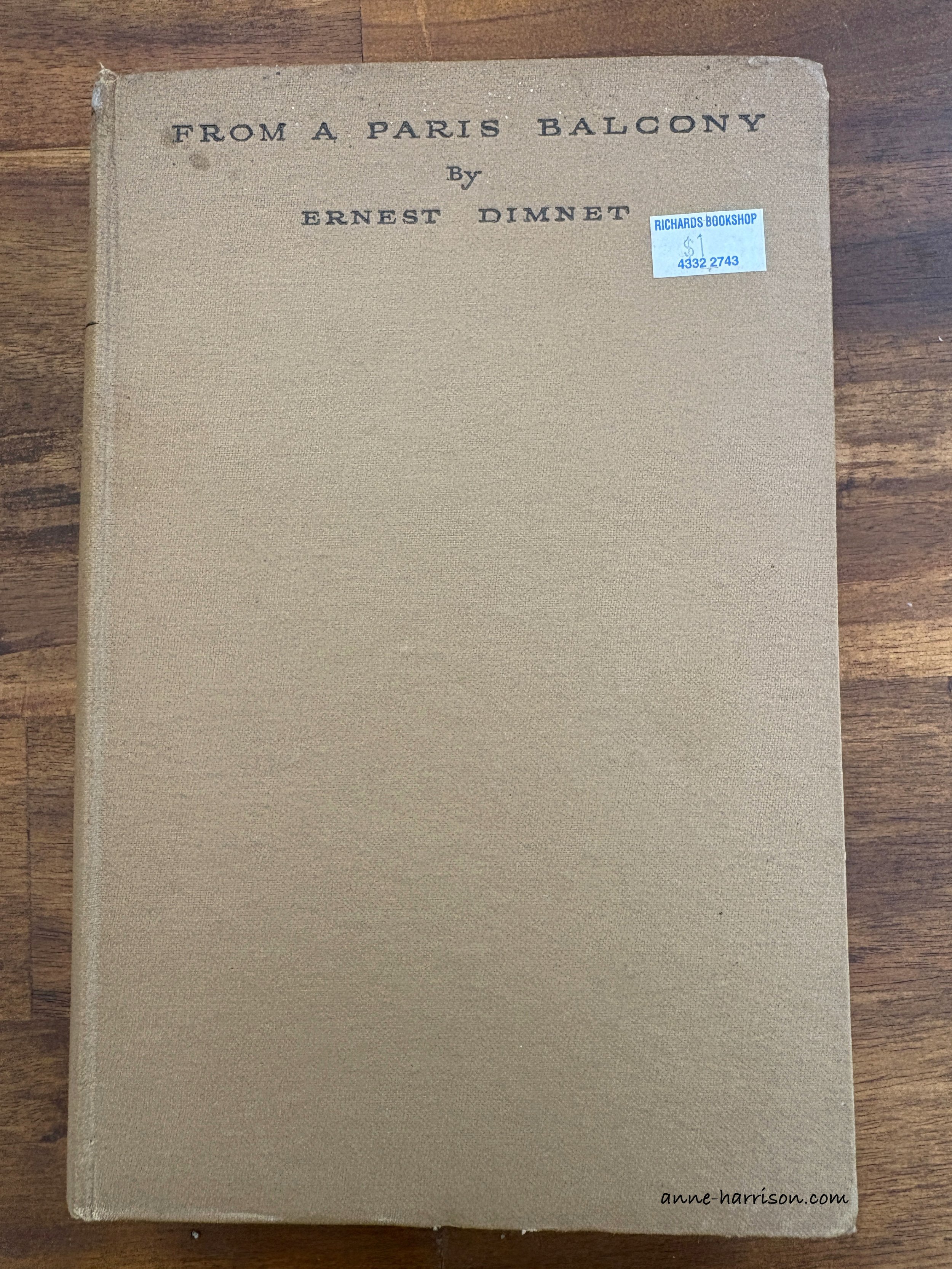
My old edition, complete with price tag © A. Harrison
True to his word, Ernest Dimnet did indeed observe Paris from a balcony. The balcony in question was at the Hôtel Belgiojoso in the Montparnasse area of Paris, and Dimnet describes the place as “graceful and yet robust, classical but imaginative, mellow in its comparative youth”.
His style took me straight to Paris: “When September comes, and the early Parisian autumn begins to strew the shrubbery with the ivory balls of the symphorine…”
Born in a small French village in 1866, Dimnet began writing for English periodicals from 1898. (Indeed, reading his works before reading about the man, I’d no idea that English was not his native tongue.) An abbé and university lecturer, he achieved popularity in both England and the US with his The Art of Thinking which still proves popular in philosophical circles.
Abbé Dimnet spent some 20 years living at the Hôtel Belgiojoso, and from a vast balcony he looked out over “four microcosms, as different form one another as the Quartier Montparnasse with its foreign artists, the Quartier Latin with its seriousness and its unseriousness, the Quartier St. Sulpice with its sanctity and its scholarship, and the Faubourg St. Germain with its aristocratic associations, joined their borders and displayed their wealth of human life”. From here, Dimnet felt he could “open his window on to the world, or shut it against it and live with his own thoughts”.
Published in 1924, From A Paris Balcony contains a collection of 36 essays, most of which were originally published in The Saturday Review (a London weekly newspaper covering the arts, science, literature and politics). Dimnet muses about Paris, French and world politics, reviews places where he dines, discusses the arts as well as penning literary criticisms.
An American newspaper advertising a talk by the Abbé in 1924 stated: Abbé Dimnet, who has attained literary distinction by his English works, has been a contributor to various English, American, and French periodicals, and is the author of several books. Among them are “Les Soeurs Bronte” and “France Herself.” The last, printed on the eve of the war, was prophetic in tone, and was widely circulated in America as well as in England… the Abbé has been widely acclaimed for fluent and lucid English, for a keen wit, and for convincing presentation of ideas. When Abbé Dimnet lectured at Stanford in 1920 on “The Return of the Native,” he gave an account of the changes wrought in his native village by the war. This was captured by the Germans in 1914, and his own home occupied by German officers for several years.”
Reading his works nearly 100 years later, they felt understandably dated, both in tone and style. As one reviewer of the time wrote: “Some of the papers in From a Paris Balcony must have been as delightful as fresh-gathered salads when they first appeared in a certain weekly review.” Nevertheless, I still found them a delight — especially as I dipped into them now and then between other books, or perused an essay or two with my afternoon coffee, rather that reading them all at once.
Apart from Dimnet’s delightful style and command of English (like Conrad, his knowledge of a second language leaves me embarrassed), Ernest Dimnet’s essays offer not only a window onto France and Europe, at a time between the two World Wars, but come with an insightful tour guide who gives an esoteric commentary on a world now vanished.
Some of My Other Blogs You May Enjoy:
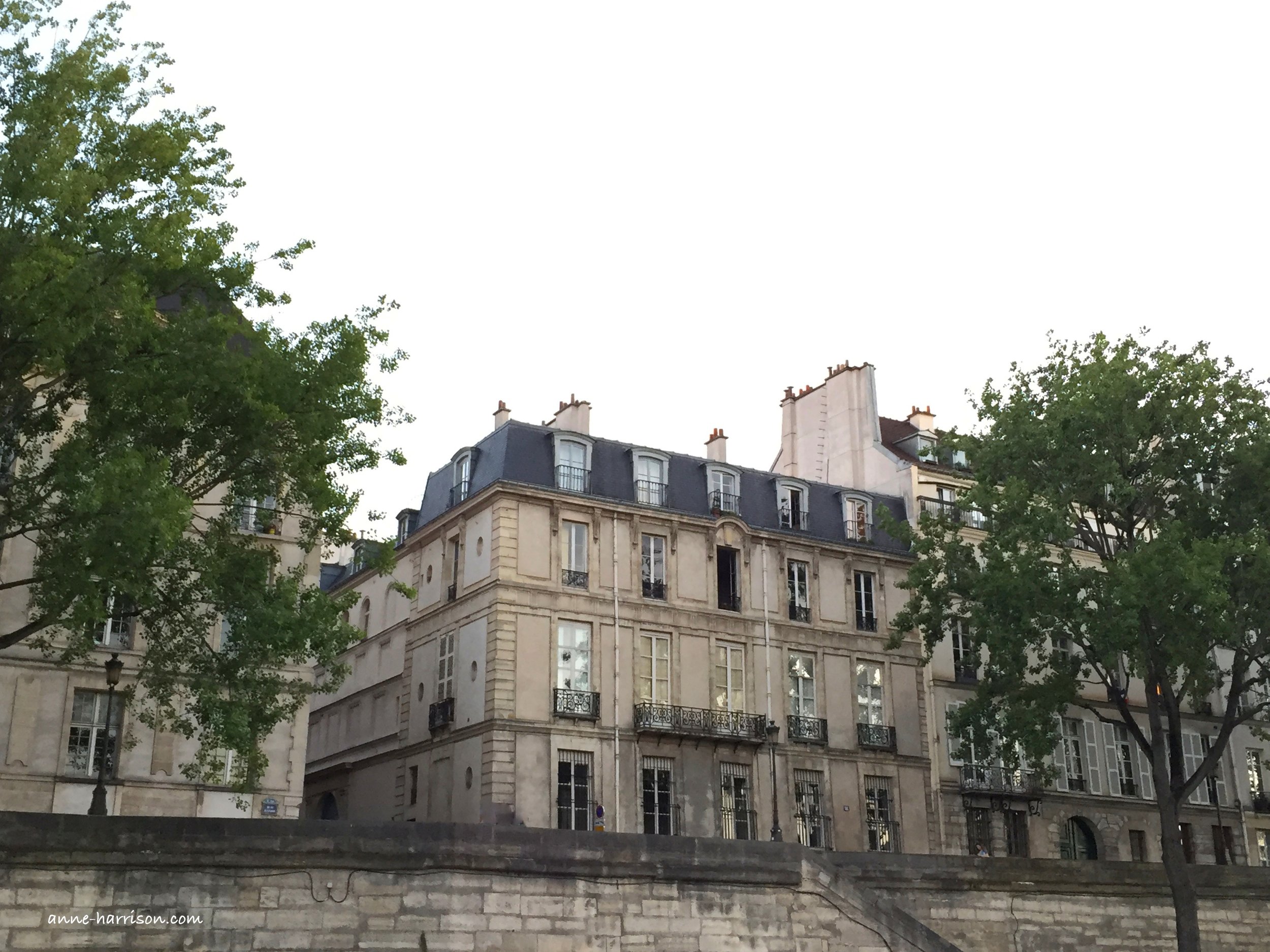
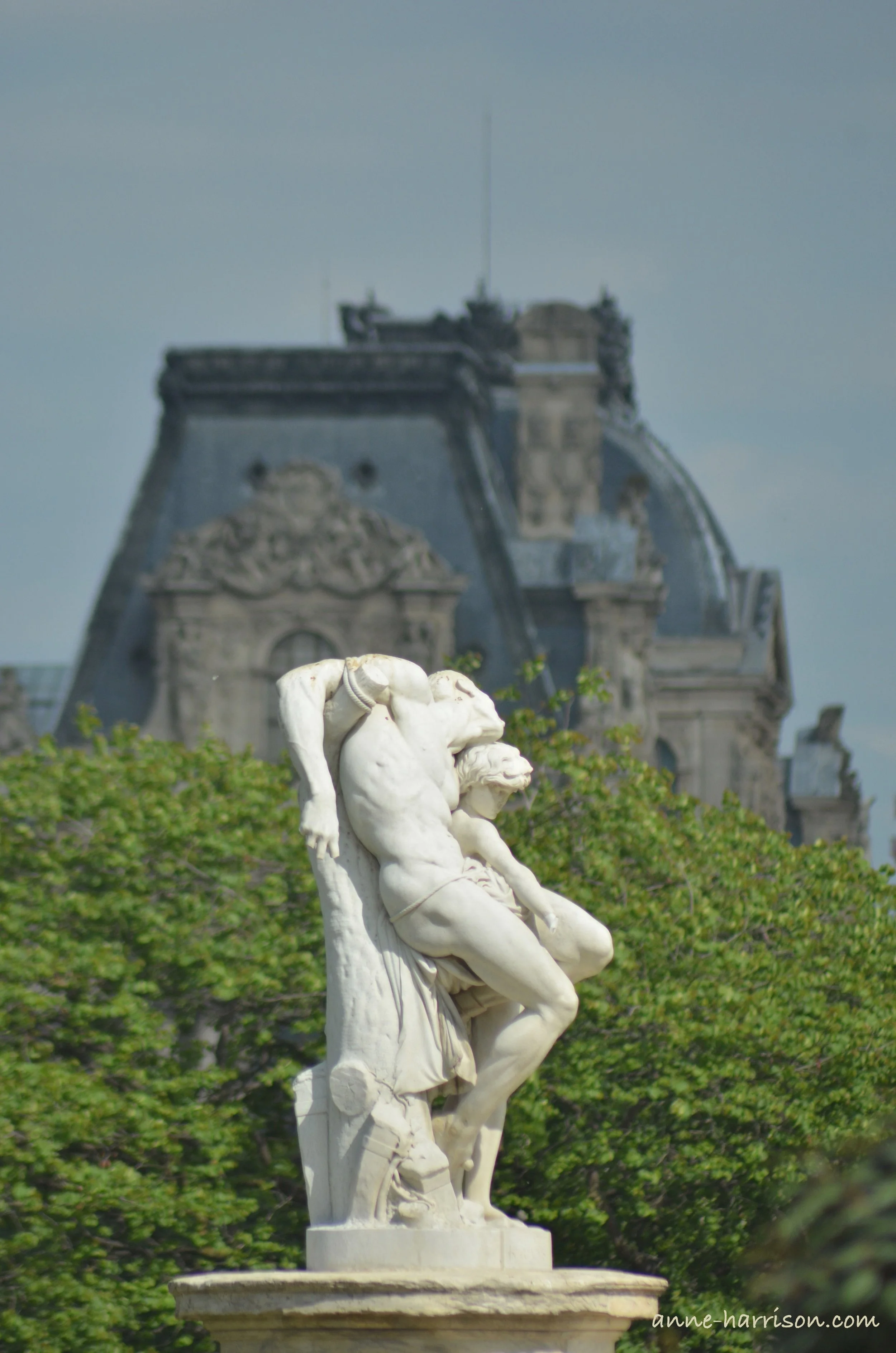

Where else to begin exploring Paris but where the city began? Walking through the Île de la Cité covers some 4000 years of civilisation, from when the first Gauls settled here, to those living statues who pose each day outside the Notre-Dame for tourists.